If your scalp feels itchy and confetti-flaky the second the humidity spikes, a tea tree anti-dandruff shampoo routine used 2–3 times a week is your best friend. A tea tree anti-dandruff routine is a simple wash-condition-treat sequence that uses tea tree (Melaleuca alternifolia) extracts to clarify a sweaty, oily scalp and soothe the look of flakes — without stripping your strands. It's not a magic overnight fix, but paired with the right frequency for Indian weather, it keeps your scalp feeling fresh, balanced and comfortable. Want the science first? Here's is tea tree shampoo good for dandruff? for the full ingredient explainer.

Why Do Scalps Flake More in Humid India?
Here's the honest truth: your scalp isn't misbehaving, it's just reacting to the climate. In humid, tropical and monsoon-heavy weather, sweat and excess oil (sebum) pool at the roots, creating the warm, damp conditions that let flakiness and itchiness thrive. For Indian skin and scalp types (Fitzpatrick III–V) that already sit on the oilier, more melanin-rich end, this monsoon combo of humidity, pollution and sweat can make flakes feel like a monthly guest.
Sweat, Oil & Flakes
When your scalp is coated in trapped sweat and product buildup, dead skin cells clump together and become visible as flakes. Add a helmet, a dupatta or a long commute in soupy air, and you've got a scalp that never fully dries out. That's why a clarifying wash matters more in the wet season than in dry winter months.
How Tea Tree Soothes The Scalp
Tea tree oil is prized in cosmetic science for its terpinen-4-ol content, the active compound that gives it clarifying and calming properties for the scalp surface. Research published in the Journal of the American Academy of Dermatology found that a tea tree formulation applied to the scalp improved the appearance of flaking and itchiness over several weeks of consistent use. In plain best-friend speak: tea tree helps your scalp feel less angry and look less flaky when you use it regularly.
What Is The Tea Tree Routine, Step By Step?
This is the part everyone asks about — how to actually use it. Think of it as a friendly four-move ritual you can do in the shower. Dermatologists recommend keeping scalp routines simple and consistent rather than overloading, and that's exactly the spirit of The Quench Botanics Method: real botanical actives, gentle pacing, no drama.
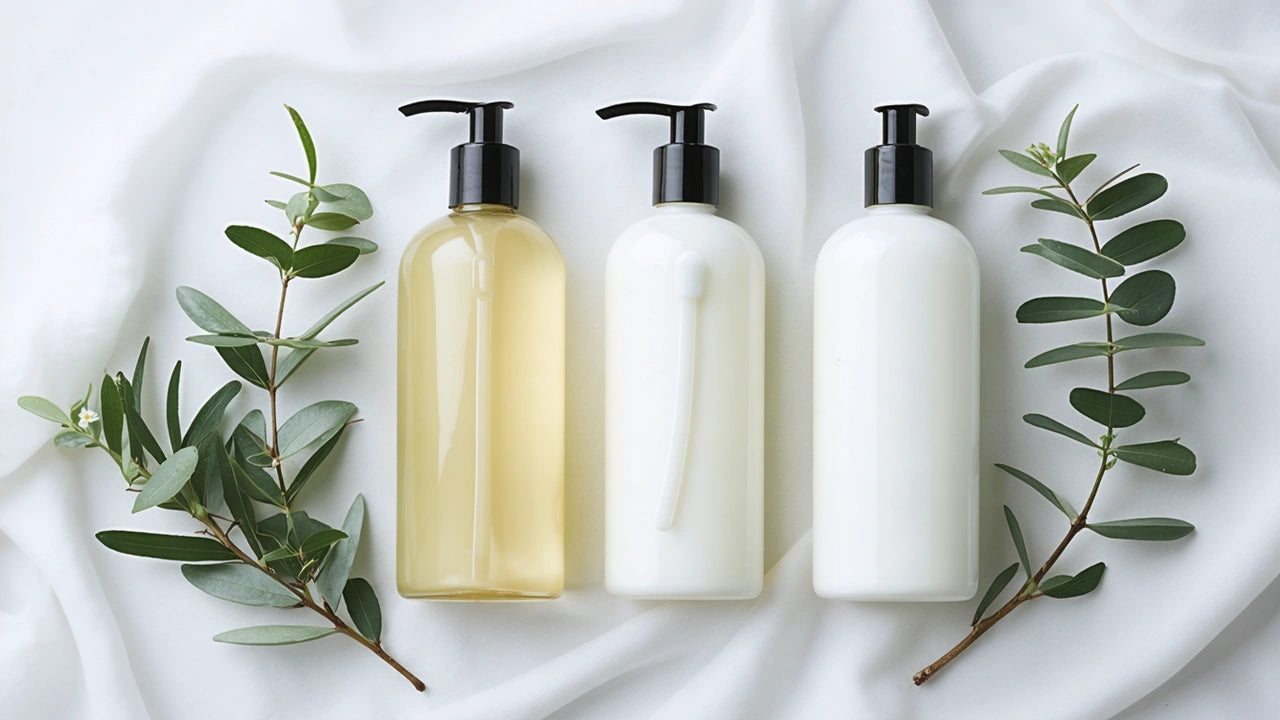
- Massage The Shampoo In Wet your hair thoroughly, take a coin-sized amount of tea tree anti-dandruff shampoo, and work it into your scalp with your fingertips — not your nails. Massage in slow circles for 60 seconds to lift sweat, oil and buildup. This is where the clarifying happens, so focus on the roots, not the lengths.
- Let It Sit Briefly Leave the lather on your scalp for 2–3 minutes so the tea tree extracts get a moment to work before you rinse. Use this time to wash your body or detangle gently, then rinse until the water runs clear. Don't rush this step — it's the difference between a quick rinse and a proper clarifying wash.
-
Condition Your Mid-Lengths Skip the roots and smooth an anti-dandruff conditioner from your mid-lengths to your ends, where hair is oldest and driest. This keeps strands soft without weighing down a scalp that's already oily in the humidity. Leave for a minute, then rinse.
 Try the Anti Dandruff Conditioner with Tea Tree as the conditioning step of the routine.
-
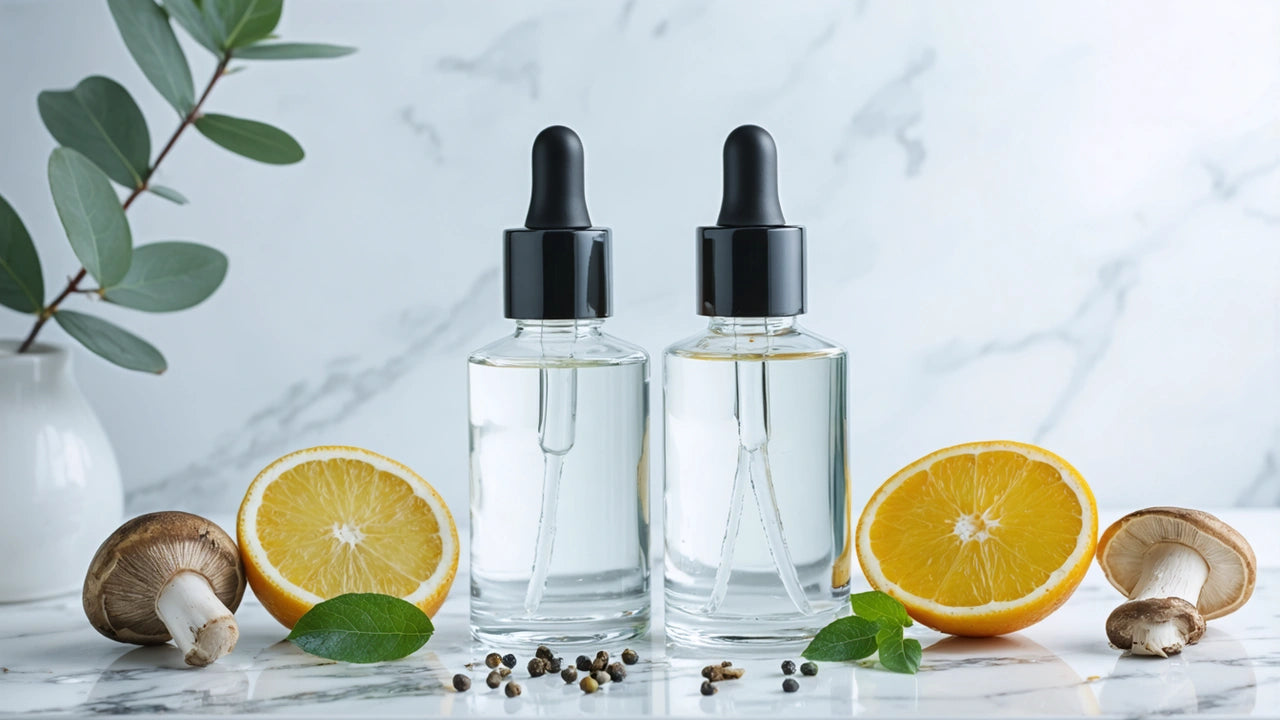
Apply The Ampoule On Your Scalp On non-wash days, part your hair in sections and apply a few drops of a leave-in scalp ampoule directly onto your flaky scalp zones, then massage in. This is your targeted scalp step for between-wash comfort — no rinsing needed.
 The Dandruff Control Ampoule with Tea Tree is made for exactly this targeted scalp step.
How Often Should You Use Tea Tree Anti-Dandruff Shampoo?
Use tea tree anti-dandruff shampoo 2 to 3 times a week for best results in humid or monsoon weather, when sweat and oil build up fastest. Once your scalp feels calmer and flakes settle, taper down to once or twice a week to maintain balance. If your scalp is sensitive, start at once a week and build up slowly.
2–3x A Week In Monsoon
During peak humidity and monsoon, your scalp gets sweatier and oilier faster, so 2–3 washes a week keeps buildup from snowballing into flakes. This is the sweet spot for most oily-in-the-rains Indian scalps.
Taper As Flakes Settle
Once things feel comfortable and calm, you don't need to keep washing at monsoon intensity. Drop to once or twice a week so you're maintaining balance rather than over-clarifying, which can leave the scalp feeling tight.
Sensitive Scalp Pacing
If your scalp runs reactive or dry, begin with one tea tree wash a week and slot in the ampoule on other days. Notice how your scalp responds and build up gradually — slow and steady always wins here.
What Extra Scalp & Hair Support Actually Helps?
A great flaky scalp routine is bigger than one bottle. A few small habits and supporting products make the whole thing feel effortless, especially if you're commuting through city pollution or dealing with stressed-out lengths.
Pollution Hair Mist For City Days
On smoggy, dusty days when you can't wash but want your hair to feel fresh, a lightweight mist adds a layer of comfort and slip. Reach for a pollution rescue hair mist for extra support on city hair days between washes.
Quinoa Repair For Stressed Lengths
Clarifying the scalp is one half; nourishing the lengths is the other. A quinoa-protein hair mask or oil helps thirsty mid-lengths and ends stay soft, so your hair looks healthy while your scalp stays fresh.
Habits That Help
- Rinse out sweat after workouts or long humid commutes so it doesn't sit on your scalp all day.
- Let hair air-dry or use cool air — chronic high heat can leave the scalp feeling parched.
- Wash pillowcases weekly to keep buildup and oil off your roots overnight.
- Pair scalp care with your overall monsoon routine — our monsoon barrier survival kit covers humid-season acne and scalp flakes together.
| Season / Scalp Type | Shampoo Frequency | Ampoule |
|---|---|---|
| Monsoon / oily scalp | 2–3x a week | On off-days |
| Post-monsoon / balanced | 1–2x a week | As needed |
| Sensitive / dry scalp | 1x a week | 2–3x a week |
Frequently Asked Questions About anti dandruff shampoo tea tree
What is tea tree oil and how does it work on the scalp?
Tea tree oil is a natural essential oil steam-distilled from the leaves of the Australian Melaleuca alternifolia plant, prized for its antimicrobial and anti-inflammatory properties. On the scalp, it works by targeting Malassezia, the yeast-like fungus that feeds on scalp oils and triggers dandruff and flaking. It also helps calm redness and soothe itchiness while gently regulating excess sebum. Because it's a potent active, tea tree is usually diluted in shampoos, serums, or carrier oils rather
Is tea tree shampoo safe for daily use on sensitive skin?
Tea tree shampoo is generally safe for most skin types, but daily use isn't recommended for sensitive or dry scalps. As a strong antimicrobial active, tea tree can be drying if overused, potentially causing irritation, tightness, or increased flaking on delicate skin. For sensitive scalps, use it two to three times a week and always patch test first by applying a little behind your ear. If you notice stinging or redness, reduce frequency and pair it with a hydrating conditioner. Opt for formulas
What is the difference between tea tree shampoo and ketoconazole shampoo?
The main difference is that tea tree shampoo uses a natural plant-derived oil while ketoconazole shampoo contains a synthetic antifungal medication. Tea tree is a gentler, botanical option ideal for mild dandruff, itchiness, and everyday scalp maintenance, offering antimicrobial and soothing benefits. Ketoconazole is a stronger, medicated treatment typically prescribed or recommended for stubborn, persistent, or severe dandruff and seborrheic dermatitis. Many people use tea tree for regular upke
How long does it take to see results from tea tree anti-dandruff shampoo?
Most people notice reduced itchiness and flaking within two to four weeks of consistent use of tea tree anti-dandruff shampoo. Immediate relief from itching can happen after the first few washes, but visible improvement in flaking takes longer because your scalp needs time to rebalance its microbiome. For best results, use it two to three times a week without skipping, and give it a full month before judging effectiveness. In humid climates like India, staying consistent is key since heat and sw
Can I use tea tree shampoo with other hair care products?
Yes, you can safely layer tea tree shampoo with most other hair care products as long as you follow the right order. After washing, apply a conditioner focused on your mid-lengths and ends to prevent dryness, since tea tree can be slightly stripping. On non-wash days, a lightweight tea tree scalp serum or diluted oil can extend benefits between washes. Avoid pairing it with heavy, silicone-rich products that can build up and trap flakes. If you use hair oil, do it as a pre-wash treatment so the
Shop Quench Botanics
Ready to build a flake-free, monsoon-proof routine you'll actually stick to? Start with the trio: massage in your tea tree shampoo, soften lengths with the tea tree conditioner conditioning step you can't skip, and keep your scalp comfortable between washes with the leave-in Dandruff Control Ampoule with Tea Tree. Add a quinoa protein hair oil for stressed lengths, and you've got a full scalp-and-strand ritual made for Indian humidity. Consistency over intensity, always — your scalp will thank you.