
If you're deciding between tranexamic acid vs kojic acid to fade the look of dark spots, here's the honest answer up front: both are gentle, effective brighteners — kojic acid softens the look of existing spots and post-sun tan, while tranexamic acid helps calm the recurring, blotchy melasma-look and keeps tone even over time. Tranexamic acid and kojic acid are two brightening actives that work by interrupting excess melanin activity in the skin, helping visible dark spots and uneven patches gradually blur. And the best part? On stubborn pigmentation, they're even better as a team than as rivals.
Kojic Acid vs Tranexamic Acid: Which Is Better for Pigmentation?
Neither is strictly "better" — they target pigmentation differently. Kojic acid suits the look of localised dark spots, tan and sun-related patches, while tranexamic acid is best for the diffuse, recurring melasma-look and overall even tone. For most Indian skin, using both together (kojic for spot-fading, tranexamic for calm, lasting evenness) gives the most balanced result.
The quick verdict
Reach for kojic acid for pigmentation that shows up as clear, defined dark spots, acne marks or a post-holiday tan. Reach for tranexamic acid when your concern is a wider, cheek-spanning melasma-look or tone that keeps returning even after it fades. Combine them when your pigment is stubborn and layered — which, honestly, describes most of us.
Why Indian skin needs gentle brightening
Type III–V Indian skin (Fitzpatrick III to V) has melanin that's brilliantly protective but also quick to react — a single sunburn, breakout or bit of friction can trigger post-inflammatory pigmentation that lingers for months. Add tropical UV, humidity and pollution, and you get pigment that's easily provoked. That's exactly why harsh, stripping brighteners backfire here; the goal is slow, steady, barrier-friendly fading. If you want a targeted spot step alongside your acids, our dark spot correcting cica ampoule pairs brightening with soothing cica so tone evens without irritation.
How Does Kojic Acid Work to Fade Dark Spots?
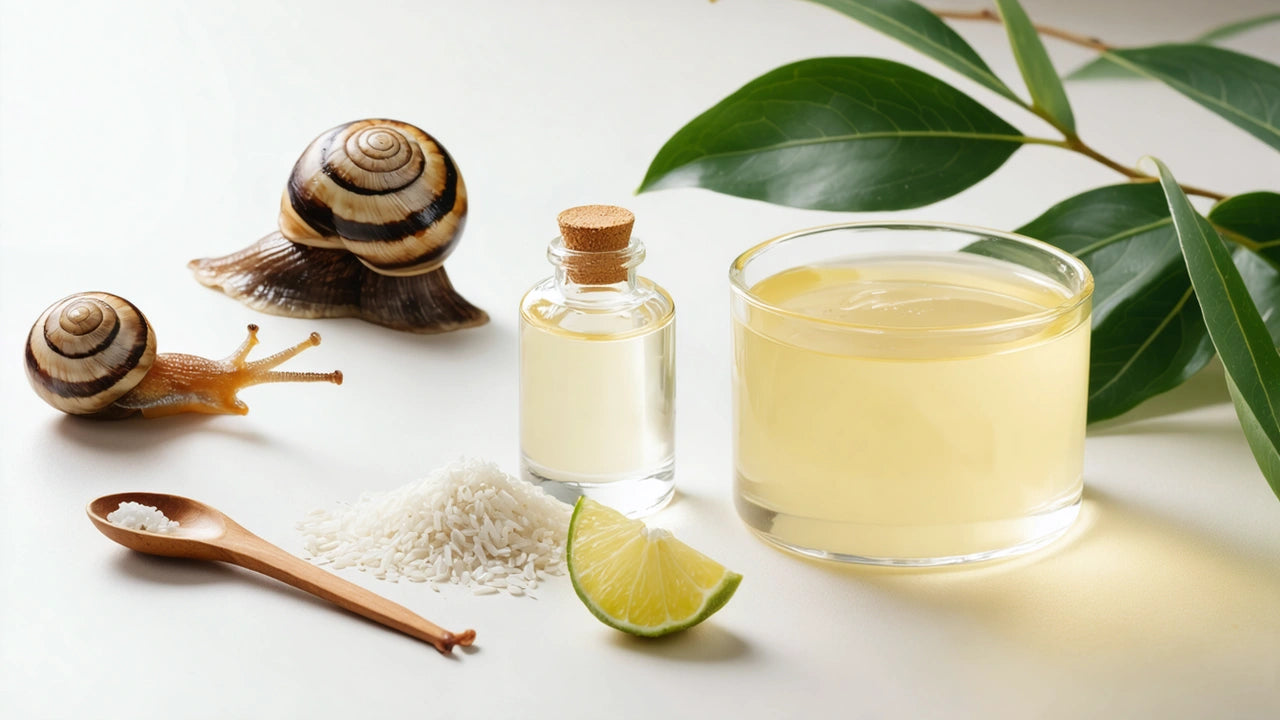
Kojic acid is a naturally derived active (it comes from fermented rice and mushrooms) that gently slows down tyrosinase, the enzyme your skin uses to make pigment. Less runaway melanin means existing spots look softer and new ones form more slowly. Research published in the Journal of Cosmetic Dermatology found that kojic acid meaningfully improved the appearance of hyperpigmentation when used consistently over several weeks, especially when combined with other brighteners.
Pigment-look targeting
Think of kojic acid as your spot specialist. It's especially good at fading the look of defined marks — old acne spots, a patch of tan, the shadow left after a mosquito bite you couldn't stop scratching. Cosmetic scientists note that kojic acid works best on localised, well-defined pigmentation rather than deep, diffuse discolouration.
Best for
Post-monsoon tan and that festive-season "let me reset my glow before the wedding circuit" moment. If your skin picked up uneven colour after weeks of humidity and sun, kojic acid is your go-to for a gradual, even fade.
Go-slow notes
Kojic acid can feel tingly if you rush it. Start 2–3 nights a week, patch-test on your jaw first, and build up. Always cushion it with hydration and never skip sunscreen the next morning — an unprotected fade just reverses itself.

How Does Tranexamic Acid Even Out Skin Tone?
Tranexamic acid works a little differently from kojic acid. Instead of only targeting the pigment-making enzyme, it dials down the inflammatory and UV-triggered signals that tell your skin to over-produce melanin in the first place. That's why it shines for the look of dark patches that keep coming back — the classic melasma-look many of us know too well.
Even-tone support
Because it addresses pigment at the signalling stage, tranexamic acid is brilliant for overall evenness rather than one stubborn spot. Over weeks, skin tone looks more uniform and less prone to blotchy flare-ups after sun exposure.
Best for melasma-look
That diffuse, cheek-and-forehead haze that darkens in summer and after sun — tranexamic acid is one of the most-loved actives for softening the look of these recurring dark patches. Dermatologists recommend tranexamic acid precisely because it's gentle enough for regular use while still tackling persistent unevenness.
Gentle & layer-friendly
Tranexamic acid is famously low-drama. It layers happily with niacinamide, hyaluronic acid and vitamin C, rarely stings, and suits sensitive skin — which is why our serum blends it with yuzu vitamin C, 2% niacinamide and a touch of kojic acid, so you get spot-fading and even-tone support in one bottle. This is the heart of The Quench Botanics Method: combine complementary actives at kind, effective levels so your barrier never pays the price for your glow.
Which Brightening Acid Should You Choose — Or Should You Combine Them?
Here's a simple side-by-side to help you decide which is the best acid for dark spots on Indian skin:
| Concern | Kojic Acid | Tranexamic Acid |
|---|---|---|
| Defined dark spots & acne marks | Excellent | Good |
| Post-monsoon tan | Excellent | Moderate |
| Melasma-look / recurring patches | Moderate | Excellent |
| Overall even tone | Good | Excellent |
| Sensitive-skin friendliness | Go slow | Very gentle |
By concern
- Mostly spots and tan? Lead with kojic acid for focused fading.
- Mostly blotchy, recurring patches? Lean into tranexamic acid for calm evenness.
- A messy mix of both (most people)? Use a formula that pairs them, so you cover every angle without a ten-step routine.
Using both safely
The good news: kojic and tranexamic acid are a well-matched duo. A blended serum saves you from juggling products and reduces the risk of over-doing actives. Introduce it a few nights a week, keep the rest of your routine simple and hydrating, and let consistency — not intensity — do the work. To support fading skin, our 96% snail mucin collagen boost serum layers underneath beautifully for extra hydration and barrier comfort.

Always follow with SPF
This is the non-negotiable bit. Here's the how-to: apply your kojic + tranexamic serum at night (PM) on clean, slightly damp skin, seal with moisturiser, and every single morning after, wear broad-spectrum sunscreen. Brightening actives without daily SPF is like mopping with the tap running. For a weekly boost, add our brightening pink clay de-tan mask to sweep away tan-dulled surface skin, and read our tranexamic + kojic fade plan for the full step-by-step routine.
Frequently Asked Questions About tranexamic acid vs kojic acid
How long does it take to see results from tranexamic acid or kojic acid?
Most people see visible fading of dark spots from tranexamic acid or kojic acid in about 8 to 12 weeks of consistent daily use. Kojic acid may show subtle brightening slightly sooner, around 4 to 6 weeks, while tranexamic acid works more gradually but tends to hold results longer. Patience is key with any brightener because your skin cycles roughly every 28 days, so several full cycles are needed to lift stubborn pigmentation. Pairing either acid with daily SPF speeds up and protects your progre
Is kojic acid safe for sensitive Indian skin?
Yes, kojic acid is generally safe for sensitive Indian skin when used at low concentrations of around 1 to 2 percent and introduced slowly. Because Indian skin has more active melanin and can be prone to post-inflammatory pigmentation, it's smart to patch test first and start with two to three uses per week. Always follow with a moisturiser and daily SPF, since kojic acid can make skin slightly more sun-sensitive. If you notice stinging, redness, or peeling, reduce frequency and choose gentler f
Can I use tranexamic acid with vitamin C?
Yes, you can safely use tranexamic acid with vitamin C, and together they make a powerful brightening duo. Vitamin C is an antioxidant that blocks melanin production and boosts radiance, while tranexamic acid targets pigmentation at a deeper level and calms inflammation-driven dark spots. Apply vitamin C in the morning under sunscreen for antioxidant protection, and layer tranexamic acid either morning or evening. If your skin is sensitive, introduce one active at a time to check tolerance. This
What are the benefits of tranexamic acid for melasma?
Tranexamic acid is one of the most effective ingredients for melasma because it interrupts the signalling between skin cells and melanin-producing cells, reducing excess pigment at its source. It's particularly helpful for hormonal and heat-triggered melasma, which is common in Indian skin, and it also calms the inflammation that worsens dark patches. Unlike harsher options, it fades discolouration without heavily exfoliating, making it gentle enough for long-term use. For best results, apply it
What should you avoid mixing with kojic acid?
Avoid layering kojic acid with strong exfoliating acids like high-percentage AHAs, BHAs, or retinol in the same routine, as this can trigger irritation, redness, and increased sun sensitivity. Kojic acid is already mildly exfoliating, so stacking too many actives can compromise your skin barrier, especially on sensitive or melanin-rich skin. If you want to use both, alternate them on different days or use one in the morning and the other at night. Always finish with moisturiser and daily SPF, an
Shop Quench Botanics
Ready to fade the look of dark spots the gentle way? Start with our Tranexamic Acid Serum with Yuzu Vitamin C, 2% Niacinamide & Kojic Acid — it pairs both hero brighteners in one kind formula, so you cover spots and even tone together. Layer it over your hydration, then lock in your results every morning with the Ultra Light SPF 50+ sunscreen — the one step that makes every fade actually stick. Consistency plus daily sun protection, and your glow does the rest.