
If your skin and scalp go a little rogue the second the first big rain hits, you're not imagining it — and you're definitely not alone. A monsoon acne and dandruff scalp routine is a lightweight, humidity-smart set of skincare and haircare steps that keeps pores clear and your scalp calm when the air is thick, sweaty and sticky. The short version: in monsoon, extra moisture in the air mixes with sweat, sebum and pollution, so your pores clog faster and your scalp gets flaky and itchy. The fix isn't more products — it's smarter, lighter ones. If you're unsure which kind of bump you're battling, our fungal acne vs regular acne guide helps you figure out exactly which monsoon breakout you're dealing with before you spend a rupee.
Why Does Monsoon Wreck Your Skin and Scalp?
Rainy season feels dreamy for exactly two hours and then your T-zone starts acting like a fry pan. Here's the honest science behind why the wettest months are often the trickiest for skin and scalp health across India.
Humidity, Sweat and Clogged Pores
You break out more during the monsoon because high humidity traps sweat and oil on your skin instead of letting it evaporate. That warm, damp film mixes with sebum, dead skin cells and pollution, clogging pores faster than usual. The moisture also encourages acne-related bacteria and yeast to thrive, so congestion, bumps and shine show up more easily in humid weather.
For those of us with Fitzpatrick III–V skin — the medium-to-deep tones common across India — this congestion has a second act: post-inflammatory hyperpigmentation. When a monsoon breakout heals, it can leave behind a dark mark that lingers for weeks, which is why gentle care (not aggressive picking or over-scrubbing) matters even more for our skin. Research published in the Journal of Clinical and Aesthetic Dermatology found that people with deeper skin tones are significantly more prone to lasting pigmentation after inflammation, so soothing a spot early is the smartest move you can make.
The Scalp Connection
Your scalp is skin too — just hairier and sweatier. In humidity, sweat and excess oil sit at the roots, and the naturally occurring yeast Malassezia feeds on that oil, which can leave your scalp flaky, itchy and prone to that unmistakable damp-hair smell. That's why a genuine anti dandruff monsoon plan works on the same principle as your face routine: keep it clean, keep it balanced, and don't strip it raw. Cosmetic scientists note that scalp and facial skin barriers respond to the same triggers — humidity, friction and product build-up — so treating them as one connected system gives you far better results than tackling each in a panic.
How Do You Spot-Target Monsoon Breakouts?
When a bump does pop up (because it will, and that's okay), your goal is to protect it, calm the look of redness, and stop yourself from making it worse. This is where a good pimple patch earns its place in your kit.
How Do Cica Zit Away Patches Work?
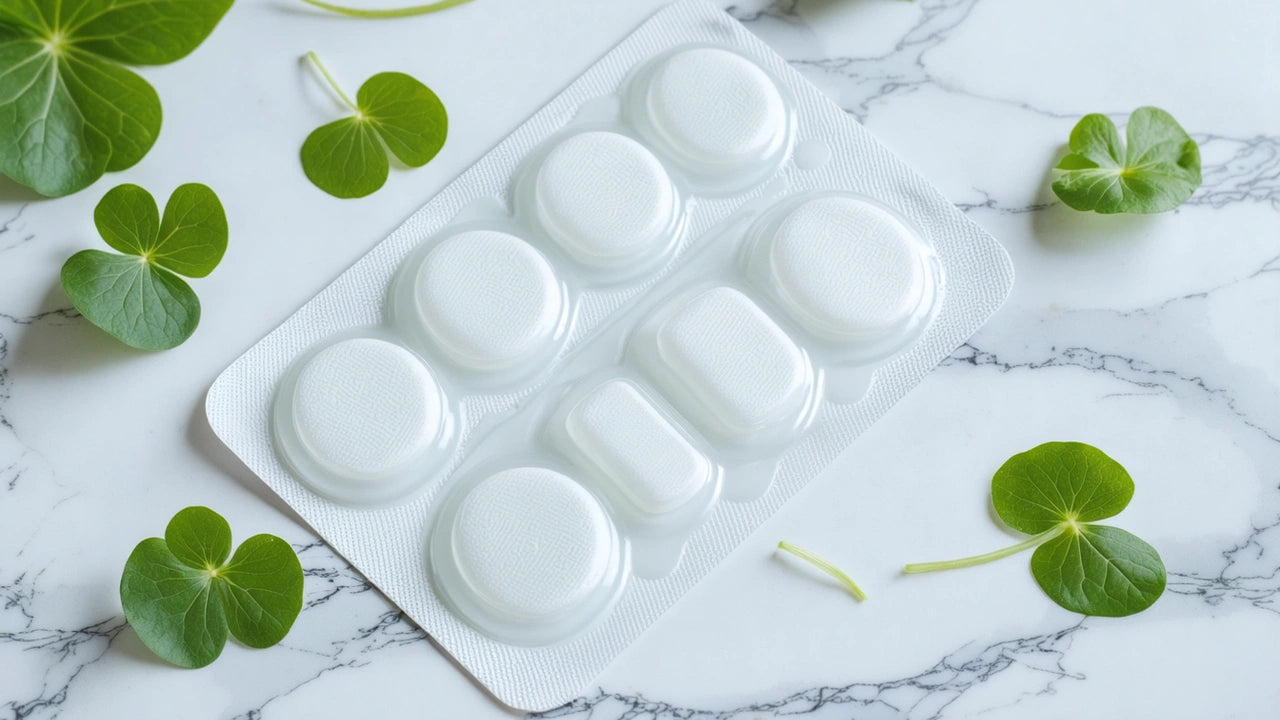
Hydrocolloid patches like our Zit Away patches sit over a spot and gently draw out excess fluid while creating a protective, breathable seal. The cica infusion adds a soothing layer that helps the area look calmer and less angry. They don't "cure" anything overnight, but they do give a bump a clean, undisturbed space to settle — and they physically block your fingers, which is half the battle. Think of them as a tiny, invisible bodyguard for your breakout.
Clean, Dry, Patch Overnight
The method is delightfully simple. Cleanse your face and pat the area completely dry — patches won't stick to damp skin, which is a real monsoon struggle. Apply the patch directly over the spot before bed, press for a few seconds, and leave it on for six to eight hours. In the morning, peel it off gently and you'll often see the patch has done its quiet work. Skip your active serums directly under the patch so nothing interferes with the adhesion.
Don't Pick — Really
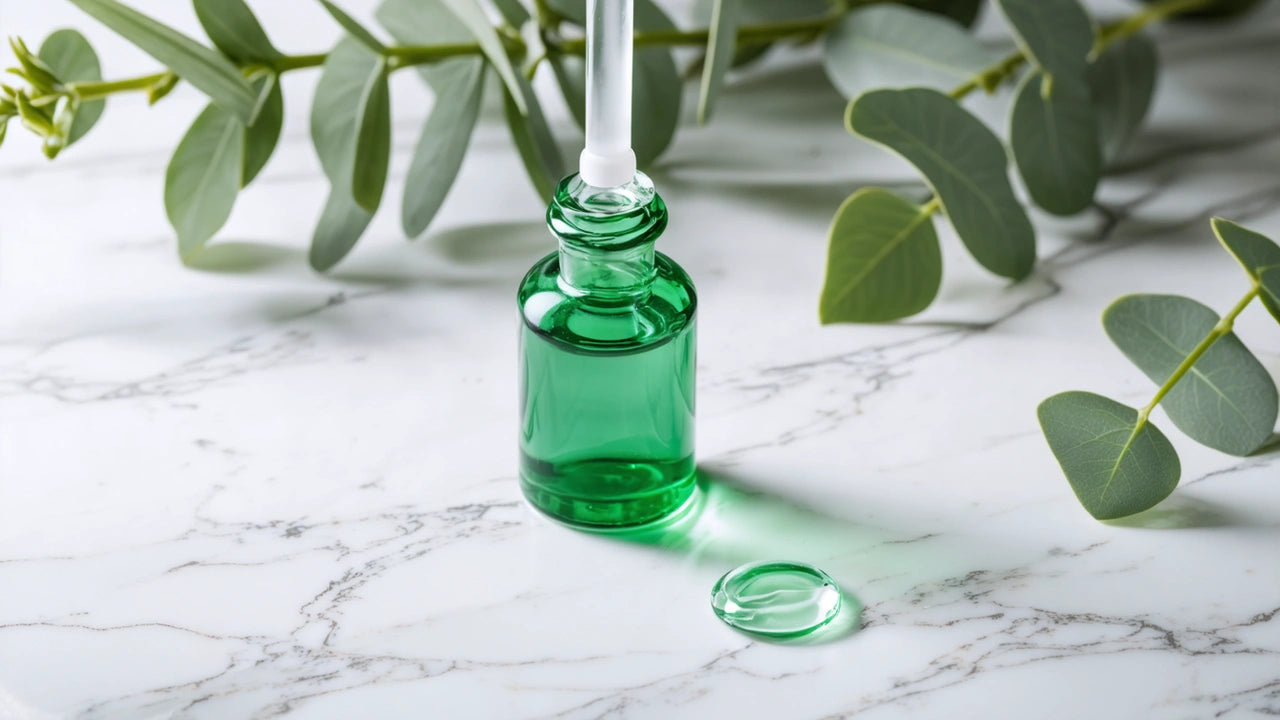
Picking is how a two-day bump becomes a two-month mark, especially on deeper Indian skin tones. If congestion is widespread rather than a single spot, a soothing serum layer can help; our Birch Please Clarifying Serum is a gentle option for congested, humid-season skin that feels overwhelmed. And if you're already dealing with old marks, this cica-powered ampoule is worth keeping on your shelf:

How Do You Lighten Up Your Base Routine for Humidity?
The biggest monsoon mistake is keeping your winter-weight moisturizer on rotation. When the air is already holding water, your skin doesn't need a heavy occlusive cream sitting on top — it needs hydration that sinks in and disappears.
Swap to an Ultra Light Gel Moisturizer
Gel-textured moisturizers are water-based and lightweight, so they hydrate without that greasy, suffocating film that leads to more congestion. This is exactly the kind of oily skin monsoon care swap that makes an instant difference to how comfortable your skin feels by 2 PM. If you're torn between textures, our breakdown of gel vs cream moisturizer for oily, humid-climate skin settles the debate with zero guesswork. The Quench Botanics Method here is simple: match your moisturizer weight to the weather, not to habit.
Niacinamide for Oil Balance
Niacinamide (vitamin B3) is a genuine monsoon MVP because it helps regulate the look of excess oil, supports the barrier, and gently addresses the dark marks left behind by past breakouts — a triple win for Indian skin. Apply a few drops onto clean, slightly damp skin, then seal with your gel moisturizer. For the full layering order (and how to avoid the tingle-and-flake mistake), our niacinamide for oily skin in humidity guide walks you through it step by step. Give it a few weeks — this is a slow-and-steady active, not a one-night miracle.
How Do You Tame a Flaky, Sweaty Monsoon Scalp?
A calm scalp is the unsung hero of a good hair week. When flakes and itch show up, resist the urge to reach for the harshest shampoo on the shelf — the goal is balance, not a scorched-earth strip.
Tea Tree Shampoo, 2–3 Times a Week
Tea tree (INCI: Melaleuca Alternifolia Leaf Oil) is a botanical known for helping keep the scalp feeling fresh and clarified, which is exactly what a sweaty, oil-prone monsoon scalp craves. Using a tea-tree shampoo two to three times a week helps manage build-up without over-washing. For the full frequency logic and how to make it last, our deep dive on whether tea tree shampoo is good for dandruff answers the questions everyone whispers about but never asks.
Conditioner + Ampoule Combo
Shampoo cleans; conditioner and ampoule maintain the calm between washes. Pair your wash with the Anti Dandruff Conditioner with Tea Tree to keep lengths soft while your scalp stays fresh — a genuinely calmer combo. Then, on non-wash days, a leave-on ampoule keeps flakes in check with targeted control right where you need it:

The Dandruff Control Ampoule with Tea Tree is your go-to for targeted flake control between washes — dab it onto the scalp, massage gently, and let it do its quiet work without rinsing.
Don't Over-Wash
Washing every single day feels tempting when your scalp is sweaty, but stripping it constantly can push oil production into overdrive, leaving you flakier than before. Aim for balance: cleanse when your scalp genuinely feels heavy or itchy, use lukewarm (not hot) water, and always let your hair dry properly — going to bed with damp roots in humid weather is a fast track to that stale, itchy feeling.
What Does a Full Humid-Weather Day Plan Look Like?
Here's your no-overthinking checklist, built for busy monsoon mornings and sticky evenings. Pin it, screenshot it, do it.
AM Steps
- Gentle cleanse — a low-foam wash to lift overnight sweat and oil without stripping.
- Niacinamide — a few drops on damp skin to help balance shine through the day.
- Gel moisturizer — lightweight hydration that won't sit greasy under humidity.
- Sunscreen — never skip, even on grey rainy days; UV sneaks through clouds and worsens marks.
PM Steps
- Double cleanse if you wore sunscreen or makeup, to fully clear pollution and grime.
- Treat — clarifying serum on congested zones or a cica patch on any active spot.
- Moisturize — the same gel texture; keep it consistent and light.
Weekly Scalp Care
- Tea-tree shampoo 2–3x to clarify sweat and build-up.
- Conditioner every wash on mid-lengths and ends.
- Ampoule on off-days for targeted flake maintenance.
If your skin barrier feels frazzled by the time the rains ease off, our post-monsoon barrier repair routine is the natural next chapter to bookmark.
Frequently Asked Questions About monsoon acne and dandruff scalp routine
What is fungal acne and how is it different from regular monsoon breakouts?
Fungal acne is a rash of tiny, uniform, itchy bumps caused by an overgrowth of Malassezia yeast, not the bacteria behind regular acne. During monsoon, trapped sweat and humidity feed this yeast, so you'll notice clusters of same-sized bumps on the forehead, chest and back that often itch. Regular acne, by contrast, shows varied whiteheads, blackheads and painful cysts. The key difference matters because fungal acne won't respond to typical acne actives like benzoyl peroxide, and often needs a ge
How do I stop sweat from causing acne in humid weather?
To stop sweat-triggered acne in humid weather, cleanse your skin within 30 minutes of sweating using a gentle, low-pH face wash, and never let sweat dry on your face. Blot with a clean towel instead of wiping harshly, switch to a lightweight gel moisturiser, and choose non-comedogenic sunscreen. Carry blotting papers or a soft cotton hankie for midday touch-ups, and change out of damp clothes and headbands quickly. Keeping pores clear of trapped sweat, oil and bacteria is the simplest way to pre
Is salicylic acid safe for oily, acne-prone skin during the monsoon?
Yes, salicylic acid is generally safe and especially helpful for oily, acne-prone skin during the monsoon. As a BHA, it's oil-soluble, so it penetrates into pores to dissolve the excess sebum and dead skin that clog them in humid weather. Start with a low concentration (around 0.5–2%) two or three times a week to avoid over-drying, and always follow with a lightweight moisturiser and daily sunscreen. If your skin feels tight, flaky or irritated, scale back frequency and patch-test any new produc
What is the difference between dandruff and a dry, flaky scalp?
The main difference is the cause: dandruff comes from an overgrowth of Malassezia yeast and excess oil, while a dry, flaky scalp is caused by lack of moisture. Dandruff flakes tend to be larger, yellowish and slightly oily, often with itchiness and redness, and worsen in humid weather. Dry-scalp flakes are smaller, white and powdery, usually paired with overall skin dryness. This distinction matters because dandruff responds to anti-fungal or exfoliating scalp treatments, whereas a dry scalp nee
How long does it take to see results from an anti-dandruff scalp routine?
Most people see noticeable improvement in flaking and itching within 2 to 4 weeks of consistent anti-dandruff care. You may feel less itchiness in the first week, but visibly reduced flakes usually take a few wash cycles as the scalp rebalances. For best results, use your anti-dandruff shampoo two or three times a week, leave it on for a few minutes before rinsing, and stay consistent even after symptoms improve. If there's no change after 4–6 weeks, or your scalp is very inflamed, see a dermato
Can I use niacinamide with cica for monsoon-stressed skin?
Yes, niacinamide and cica (Centella asiatica) pair beautifully and are ideal for monsoon-stressed skin. Niacinamide helps regulate oil, minimise the look of pores and strengthen your barrier, while cica soothes redness, calms irritation and supports healing around breakouts. Together they tackle two big monsoon problems at once: excess sweaty shine and reactive, inflamed skin. Layer a niacinamide serum first, let it absorb, then follow with a cica cream or apply cica patches on active spots. Bot
Shop Quench Botanics
Ready to build your humid-season survival kit? Start with the Zit Away Cica Patches for overnight spot rescue, keep your scalp fresh with the Tea Tree Dandruff Control Ampoule, and layer smart with a soothing clarifying serum for congested days. Lighter, calmer, monsoon-ready — your skin and scalp will thank you.