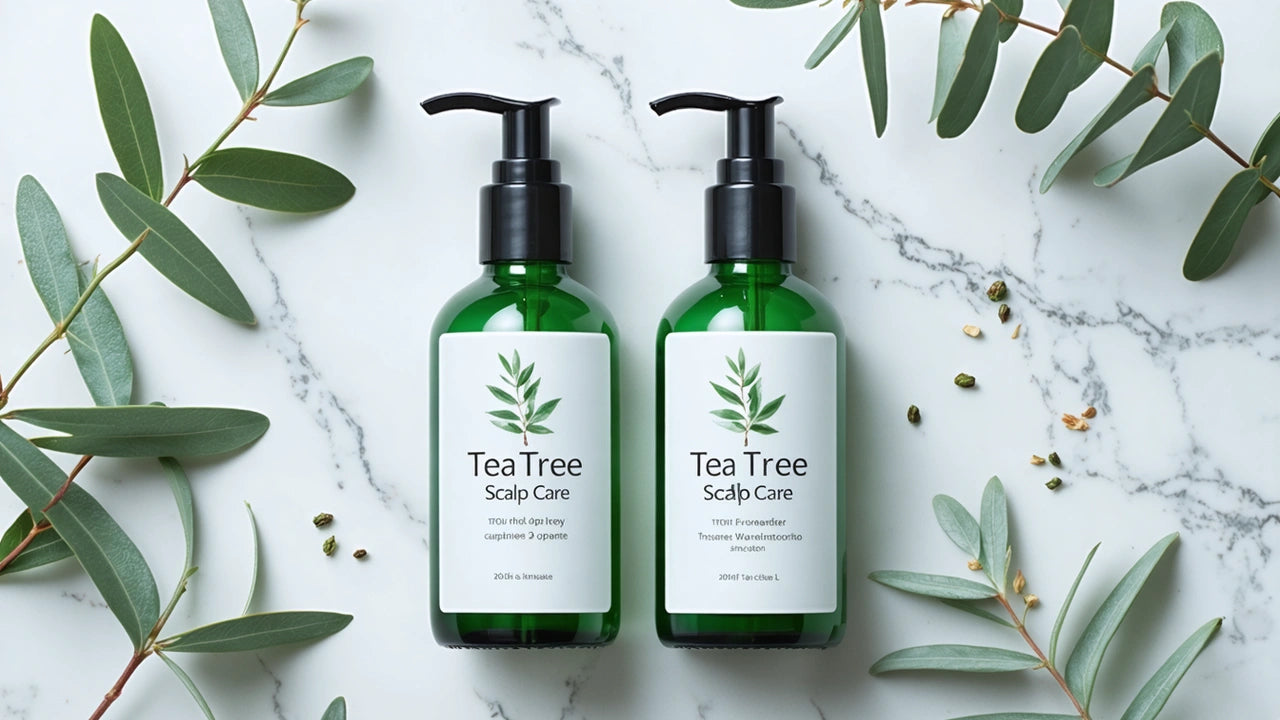

Short answer? Yes — tea tree can be a lovely, calming friend to a flaky, itchy scalp, especially when the monsoon turns your head into a warm, sweaty greenhouse. A tea tree anti dandruff shampoo is a gentle cleansing formula that uses tea tree oil (a botanical extract from the Melaleuca alternifolia plant, known for its fresh, soothing feel) to help wash away flake-causing buildup while leaving your scalp calm and comfortable. It won't "cure" anything overnight, but as part of a consistent routine, it can genuinely make a humid, itchy scalp feel fresher and less flaky. Think of it as a reset button you press two to three times a week — not a magic wand. Below, we'll walk through why scalps go rogue in the rains, how tea tree soothes things, and how to build a fuss-free scalp routine that actually fits Indian weather.
Is Tea Tree Good for Dandruff? The Quick, Honest Answer
Tea tree shampoo can help calm flakes and itch on a humid scalp, and it's typically used two to three times a week. It gently cleanses away oil and buildup while its naturally soothing feel eases that tight, itchy sensation, making it a great everyday choice for monsoon scalp care when used consistently.
What tea tree actually does
Tea tree oil has a light, minty-fresh quality that leaves your scalp feeling clean and tingly-calm. In a tea tree for flaky scalp routine, it works by helping to lift away the oil and dead-skin buildup that can make flakes look worse. If you've ever wondered is tea tree good for dandruff, the honest answer is that it's a well-loved botanical for keeping the scalp fresh and comfortable — a supportive helper rather than a medicine.
When it helps most
Tea tree shines when your scalp feels sweaty, congested, or itchy after long humid days. For a deeper glow-up guide, our sweat-proof skincare routine for Indian weather pairs beautifully with a good scalp reset — because your scalp is skin too, and it deserves the same climate-smart love your face gets.
Why Do Scalps Get Flaky and Itchy in the Monsoon?
If your scalp only acts up when the clouds roll in, you're not imagining it. Monsoon means high humidity, trapped sweat, and more time under damp helmets and hair ties — a recipe for a restless, flaky scalp. Understanding good scalp care in India starts with respecting our very specific weather.
Humidity and sweat
When the air is heavy with moisture, sweat lingers on the scalp instead of evaporating. That warm, damp environment can leave the scalp feeling itchy and irritated, and it encourages the natural microbes on your scalp to get a little over-enthusiastic. For many Indian scalps — especially those with thicker, wavy or curly hair textures common across Fitzpatrick III–V skin tones — moisture and product get trapped close to the roots, making that itchy-scalp-monsoon feeling even more noticeable.
Buildup and oil
Add pollution, oil, dry shampoo, and styling products, and you've got layers of buildup that flakes love to cling to. Research published in the International Journal of Cosmetic Science has noted that excess sebum and scalp buildup are closely linked to visible flaking and itch — which is exactly why gentle, regular cleansing matters more than harsh scrubbing. Dermatologists recommend not over-washing but washing well, so your scalp stays balanced rather than stripped.
How Does Tea Tree Calm an Itchy Scalp?
Here's the fun part: tea tree doesn't work by aggressively attacking your scalp. It works by keeping things clean, fresh and balanced so your scalp can settle down on its own.
The soothing role
That cooling, tingly sensation you feel with tea tree isn't just pleasant — it's a sign the botanical is helping your scalp feel less angry and itchy. By supporting a clean scalp surface, it reduces the buildup that makes flakes cling and multiply in appearance. This is the heart of The Quench Botanics Method: pairing feel-good K-beauty botanicals with formulas tuned for humid Indian weather, so your scalp gets comfort without the harshness.

The freshness factor
Beyond flakes, tea tree gives that just-showered, breezy-scalp feeling that lasts through a muggy commute. Layering a conditioning step keeps lengths soft without weighing roots down — our Anti Dandruff Conditioner with Tea Tree Extracts slots in right here as the conditioning step in scalp care, so you get freshness up top and smoothness through the ends.
Tea Tree Shampoo vs Ampoule vs Conditioner: What Should You Pick?
Not all scalp care does the same job. Here's how to choose between daily-cleansing, targeted and conditioning steps — and when to layer them for a full tea tree shampoo and conditioner routine.
| Format | What it does | Best for | Frequency |
|---|---|---|---|
| Tea tree shampoo | Cleanses buildup, oil and sweat; refreshes the whole scalp | Everyday flake and itch management | 2–3x a week |
| Tea tree ampoule | Targeted, leave-in scalp comfort between washes | Focused flaky or itchy zones | As needed |
| Tea tree conditioner | Softens lengths without heavy residue at roots | Keeping hair smooth after cleansing | Every wash |
Daily vs targeted care
A shampoo is your foundation — it handles the whole scalp. But if you have a spot that stays stubbornly itchy, a targeted leave-in helps between washes. As the targeted scalp-care option, our Dandruff Control Ampoule with Tea Tree Extracts lets you focus soothing exactly where you need it — no full re-wash required.

Layering scalp care
The dreamiest routine is a gentle combo: cleanse with a tea tree shampoo, treat trouble spots with the ampoule, then condition your lengths. Cosmetic scientists note that layering complementary formats — cleanse, treat, condition — tends to deliver more consistent comfort than relying on one heavy-duty product alone.
How Often Should You Use Tea Tree Shampoo?
For most people in humid Indian weather, two to three times a week is the sweet spot. That's often enough to clear sweat and buildup, but gentle enough to keep your scalp from feeling stripped and dry.
Frequency tips
- Sticky, sweaty weeks: lean towards three washes to keep buildup and itch in check during peak monsoon.
- Cooler, drier spells: two washes may be plenty, so your scalp keeps its natural comfort.
- Between washes: use a targeted ampoule on itchy zones instead of over-washing.
Listening to your scalp
Your scalp is the best guide you have. If it feels tight or extra dry, ease off frequency; if it feels heavy and itchy by day two, nudge it up. Results build gently over weeks of consistency — not overnight — so be patient and kind to yourself.
Frequently Asked Questions About tea tree anti dandruff shampoo
Can I use tea tree anti-dandruff shampoo every day?
Daily use of tea tree anti-dandruff shampoo isn't usually necessary and can leave some scalps feeling dry. For most people, using it 2-3 times a week is the sweet spot to control flakes and itch without stripping natural oils. If your scalp is very oily or you're battling heavy dandruff, you can go up to alternate days, then scale back once things calm down. On non-shampoo days, rinse with water or use a gentle cleanser. Listen to your scalp — tightness or extra dryness means dial it back.
What is the difference between tea tree shampoo and ketoconazole shampoo?
Tea tree shampoo uses a natural plant-derived oil with antimicrobial and soothing properties, while ketoconazole shampoo is a medicated antifungal used to treat stubborn or diagnosed dandruff and seborrhoeic dermatitis. Tea tree is a gentle, clean-beauty choice great for mild flakes, itchiness and everyday maintenance, especially during humid weather. Ketoconazole is stronger and often recommended by dermatologists for persistent conditions, but it's not meant for indefinite daily use. Many peop
Is tea tree shampoo safe for coloured or chemically treated hair?
Yes, tea tree shampoo is generally safe for coloured and chemically treated hair, especially sulphate-free formulas that clean gently without fading your colour fast. Tea tree oil targets the scalp rather than the hair shaft, so it helps with flakes and itch while being kind to processed strands. To protect your investment, look for a mild, hydrating formula and avoid over-washing, which can strip both colour and moisture. If your hair is freshly coloured, wait 48-72 hours before your first wash
Can I use tea tree shampoo with a hair oil?
Yes, you can absolutely use tea tree shampoo with a hair oil — in fact, they work beautifully together. Apply a lightweight oil like coconut or jojoba to your scalp and lengths as a pre-wash treatment, leave it on for 20-30 minutes, then cleanse with tea tree shampoo to lift away buildup and excess oil. This combo nourishes dry ends while the tea tree keeps flakes and itch in check. Just avoid leaving heavy oil on an already oily, flaky scalp overnight, as it can trap product and worsen buildup.
What are the benefits of tea tree oil for the scalp?
Tea tree oil offers several scalp benefits: it has natural antimicrobial and antifungal properties that help manage the yeast linked to dandruff, plus soothing effects that calm itchiness and irritation. It can help balance excess oil, making it great for greasy or sweaty scalps in humid Indian weather. Tea tree also creates a fresh, tingly clean feeling and supports a healthier scalp environment for hair to grow. Because it's plant-derived, it's a lovely clean-beauty option for people wanting t
Shop Quench Botanics
Ready to give your scalp the fresh, calm reset it's been craving? Pair a gentle cleanse with our tea tree Dandruff Control Ampoule for targeted itchy-spot comfort, and lock in softness with the matching tea tree conditioner. For a breezy finish that fights sweat and pollution on humid days, spritz on our Pollution Rescue Hair Mist with Quinoa Protein as a refreshing scalp-and-hair finish. And if the rains are wreaking havoc on your face too, our monsoon skincare reset for oily skin has your whole humid-weather glow sorted. Your calmest, comfiest scalp is just a few consistent washes away. 🌿