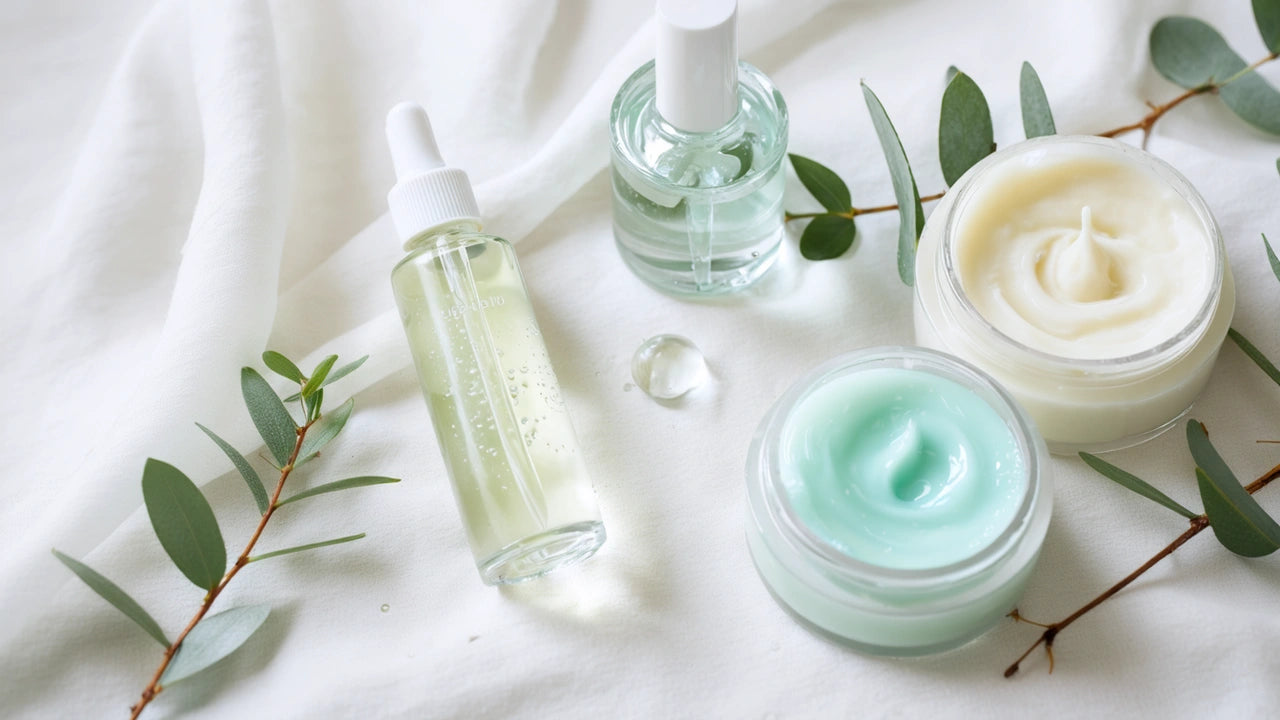

Here's the short answer, bestie: to use niacinamide for oily skin in humidity, apply 2–4 drops to clean, slightly damp skin, layer it before your gel moisturizer, and always seal your morning routine with SPF. Niacinamide is a water-soluble form of vitamin B3 (INCI: Niacinamide) that helps balance the look of oil, refine the appearance of pores and fade the look of post-acne marks — all without stripping your barrier. In sticky, tropical Indian weather, that combination of oil-balancing and hydration is exactly what shine-prone skin is quietly asking for. If you want to go deeper on the science, we've got our niacinamide-for-oily-skin deep dive too.
Niacinamide, Simply Explained: What Is It and Why Does Humid Skin Love It?
What it actually is
Niacinamide is one of the most well-studied actives in skincare, which is part of why we love recommending it to friends who feel overwhelmed by options. It's a smart multitasker: it strengthens the barrier, supports hydration and helps skin behave more like its calm, balanced self. Because it's water-soluble and gentle, it plays nicely with most other ingredients — no drama, no sting.
Why humid, oily skin loves it
When the air is thick and warm, oil glands tend to go into overdrive and your face can feel like a greasy paperweight by lunchtime. Niacinamide helps here because it supports oil-flow balance while also topping up hydration — so your skin isn't stripped and then overcompensating with even more oil. For anyone with Fitzpatrick III–V skin navigating Indian humidity, that barrier-friendly approach matters, because aggressive oil-stripping is often what triggers dullness and stubborn post-acne marks in the first place.
What Does Niacinamide Do for Oily, Humid Skin?
Oil-flow balance
The most-loved niacinamide benefits for oily skin start with sebum. Cosmetic scientists note that niacinamide can help moderate excess surface oil, which is why so many combination and oily-skinned folks reach for it during sticky months. Research published in the British Journal of Dermatology found that topical niacinamide reduced sebum excretion rates over several weeks of consistent use — meaning the mid-day shine on your Mumbai or Chennai commute may look more manageable with regular application.
Pore-look refining
Let's be honest about pores: you can't shrink them permanently, and anyone promising that is fibbing. What niacinamide can do is support a smoother, more refined appearance. When oil sits trapped and stretches the pore opening, congestion makes pores look larger. By keeping oil flow more balanced, niacinamide for pores helps them look tighter and cleaner over time. This is a "look of" benefit, not a magic eraser — but it's a genuinely satisfying one.

Post-acne mark fading
Those brownish shadows left after a breakout — especially common on deeper Indian skin tones — are post-inflammatory hyperpigmentation. Niacinamide helps interrupt the transfer of excess pigment to the upper skin layers, which supports a more even-looking complexion. Dermatologists recommend pairing it with daily sunscreen, because UV exposure is the fastest way to make those marks look darker and stick around longer. Patience is the secret ingredient here; think weeks, not days.
How Do You Layer Niacinamide the Right Way?
To use niacinamide for oily skin, cleanse first, then apply 2–4 drops of niacinamide serum to clean, slightly damp skin. Follow with a lightweight gel moisturizer to lock it in, and in the morning always finish with broad-spectrum SPF. Use it once or twice daily, and stay consistent for four to eight weeks to see a calmer, less shiny, more even look.
On clean skin
Always start with a proper cleanse so your niacinamide isn't fighting through sunscreen residue, sweat and pollution. A gentle, non-stripping wash keeps your barrier happy — which is the whole point.
With hyaluronic acid
Niacinamide and hyaluronic acid are a dream duo. Apply niacinamide to slightly damp skin, then layer a hydrating serum on top to draw in moisture. This combo gives oily skin the hydration it actually craves without any heaviness — a genuinely underrated move for humid weather.
Before gel moisturizer
Once your active layers have settled for a minute, seal everything with a lightweight gel moisturizer. Two to four drops of niacinamide followed by a gel cream is the sweet spot: hydrated, balanced, never greasy. If you're torn between textures, our friends often find gel vs cream moisturizer breakdown clears things up fast.
AM & PM
Wondering about niacinamide morning or night? The lovely thing is: both. It's stable and non-sensitising, so you can use it twice daily. In the AM, follow with sunscreen; at night, it's the perfect quiet workhorse while you sleep. If you're just starting out, once a day is plenty until your skin says hello.
Which Niacinamide Pairings Actually Work?
With snail mucin
This is where the Quench Botanics Method shines: layering niacinamide with snail mucin gives you oil-balance plus bouncy hydration and collagen support in one breath. Our 96% Snail Mucin Collagen Boost Serum with Niacinamide already blends the two, so you get a barrier-loving, glow-boosting combo without juggling extra bottles.
With SPF in the day
If you take one thing from this whole guide, make it this: niacinamide and sunscreen are best friends. Sun exposure undoes brightening progress, so a broad-spectrum SPF every single morning protects all the even-toned goodness niacinamide is building.
What to go slow with
Niacinamide is famously friendly, but if you're using strong exfoliating acids or a high-strength vitamin C in the same routine, introduce things gradually so your barrier stays comfy. For oil-prone, congestion-prone skin, a companion like our birch clarifying serum can slot in nicely on alternate days. And for stubborn dark marks, targeted care helps.

| Goal | Best Niacinamide Pairing | When to Use |
|---|---|---|
| Oil control + hydration | Niacinamide + hyaluronic acid | AM & PM |
| Glow + barrier support | Niacinamide + snail mucin | AM & PM |
| Even tone protection | Niacinamide + SPF | AM only |
| Congestion / clarity | Niacinamide + birch clarifying serum | Alternate PMs |
Frequently Asked Questions About niacinamide for oily skin in humidity
What percentage of niacinamide is best for oily skin?
For oily skin, a niacinamide concentration between 4% and 5% is the sweet spot. This range is high enough to visibly regulate sebum, refine pores, and calm shine without triggering the tingling or irritation that can come with 10% formulas. If you're new to the ingredient or have sensitive-oily skin, start at 4% and see how your skin responds before going higher. More isn't always better with niacinamide — beyond 5% you often get diminishing returns and a higher chance of flushing, especially in
Can niacinamide cause breakouts when you first start using it?
Niacinamide itself rarely causes breakouts, but you may notice temporary purging or irritation when you first start. This usually happens if the concentration is too high, if you apply too much, or if your skin is adjusting to a new active. True niacinamide breakouts are uncommon since it's known for being gentle and anti-inflammatory. To avoid any reaction, patch test first, start with a 4-5% formula every other day, and give your skin two to three weeks to adapt before increasing frequency.
What is the difference between niacinamide and salicylic acid for oily skin?
Niacinamide and salicylic acid tackle oily skin differently: niacinamide regulates oil production and strengthens the skin barrier, while salicylic acid exfoliates inside the pore to clear buildup. Niacinamide is a gentle, everyday water-soluble vitamin that reduces shine and refines pores over time. Salicylic acid is a BHA that dissolves oil and dead skin, making it better for active congestion and blackheads. They actually work beautifully together — use salicylic acid to clear pores and niaci
How long does it take to see results from niacinamide on oily skin?
Most people see visible results from niacinamide on oily skin within 4 to 8 weeks of consistent daily use. Early changes like reduced shine and a smoother texture can appear in as little as two weeks, while pore refinement and more balanced oil production take longer since skin cells renew on a monthly cycle. Consistency matters more than concentration — using a moderate niacinamide daily beats using a strong one occasionally. Give it a full eight weeks before deciding whether it's working for y
Should you use niacinamide in the morning or at night?
You can use niacinamide morning, night, or both — it's stable and non-photosensitising, so timing is flexible. Morning application works well because it helps control oil and shine throughout a hot, humid day and layers nicely under sunscreen. At night, it supports barrier repair while you sleep. If you're using strong actives like retinol or exfoliating acids in your PM routine, niacinamide in the morning is a smart way to get its benefits without crowding your evening steps. For oily skin in h
Shop Quench Botanics
Ready to build an oil-balancing routine that actually suits sticky Indian weather? Start with a clean base using our gentle birch juice gel face wash to lift away oil and pollution without stripping your barrier. Then layer in niacinamide the easy way with our 96% Snail Mucin Collagen Boost Serum mini — niacinamide, hyaluronic acid and snail mucin in one balanced, glow-friendly formula. Cleanse, drop, seal, protect: your calmer, less-shiny skin is a consistent routine away.