
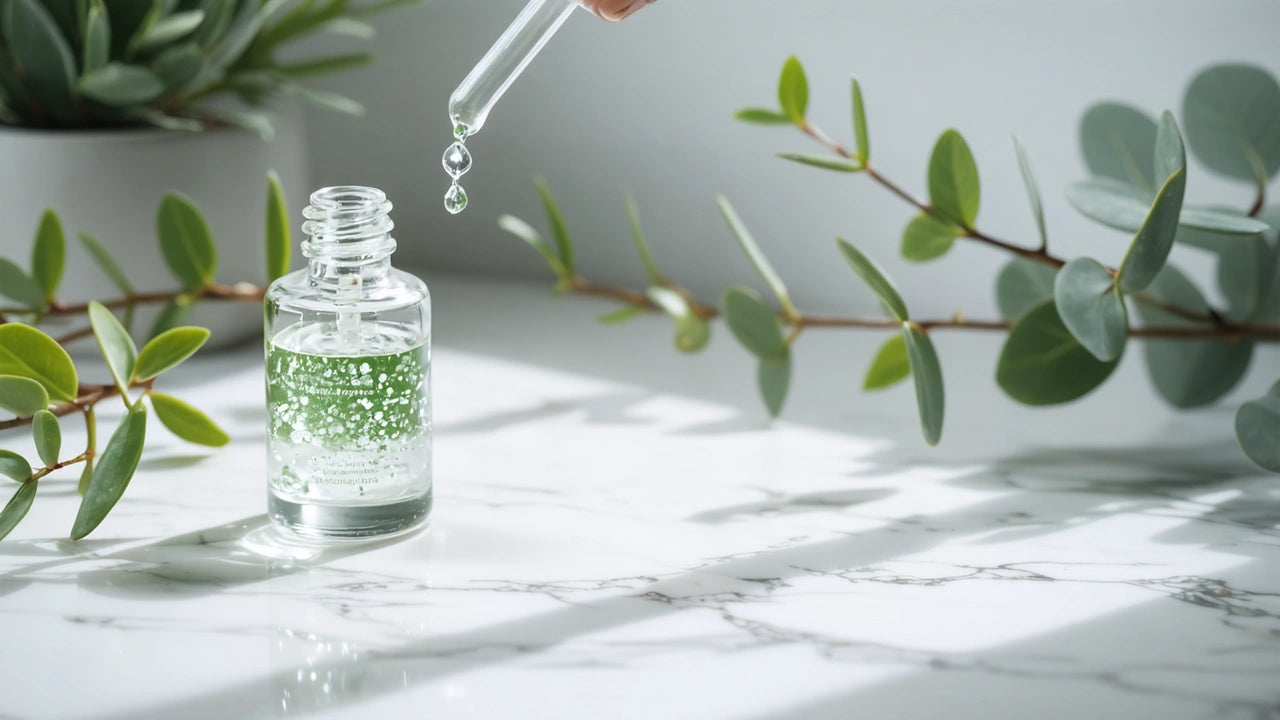

Short answer: yes, niacinamide for oily skin in humidity is genuinely one of the smartest picks you can make. Niacinamide is a water-soluble form of Vitamin B3 (INCI name: Niacinamide) that helps balance excess oil, refine the look of pores and gradually soften dark spots — all without stripping your skin dry. In sticky Indian weather, where your face can feel like it is melting by noon, that oil-balancing, barrier-friendly quality is exactly what you want in your corner. Think of it as the calm, dependable multitasker your humid-day routine has been missing.
What Is Niacinamide and Why Does Oily Skin Love It?
A simple definition
Niacinamide is a form of Vitamin B3 that your skin recognises and uses easily because it dissolves in water. Instead of forcing your skin to "dry out," it works with your barrier — the outer layer that keeps moisture in and pollution out — to help regulate how much oil your skin produces. That is the big difference between niacinamide and harsher mattifying ingredients: it manages shine without declaring war on your skin.
The humidity connection
Here is the thing nobody tells you: humid weather does not just make you sweat — it can nudge your skin into producing even more oil, leaving that heavy, sticky film by afternoon. Niacinamide helps you feel less greasy without over-drying, which is why it fits so beautifully into a lightweight, breathable routine. If you live somewhere sultry, our take on a Mumbai humidity skincare routine pairs perfectly with everything below. This is the heart of what we call The Quench Botanics Method — K-beauty actives tuned specifically for Indian heat, humidity and diverse skin tones rather than borrowed straight from a Seoul winter.
How Does Niacinamide Balance Oil in Sticky Weather?
Oil regulation, not stripping
Yes, niacinamide is good for oily skin. It helps regulate sebum, the natural oil your skin produces, so your face feels less greasy through the day. It also supports the skin barrier and refines the look of pores without over-drying. In humid weather it keeps shine in check while keeping skin comfortable, balanced and calm.
Most old-school oil-control products work by yanking moisture out — which backfires, because dehydrated skin often pumps out even more oil to compensate. Niacinamide takes a gentler road. Cosmetic scientists note that it helps moderate sebum production while reinforcing the barrier, so you get the fresh, balanced feel without that tight, squeaky-clean aftermath that leads to the mid-day grease slick.

Pore-refining over time
Let's set expectations kindly: you cannot shrink pores permanently — pore size is largely genetic. But when pores are clogged with oil and debris, they look bigger and more obvious. By helping keep oil in balance and skin clearer, niacinamide can make pores appear smaller and smoother over consistent use. Research published in the International Journal of Cosmetic Science found that topical niacinamide measurably reduced sebum output and improved the appearance of skin texture over several weeks of use — real change, but the gradual, trustworthy kind, not an overnight illusion.
Why it won't over-dry
Because niacinamide strengthens rather than strips, it is one of the rare oil-control ingredients that even combination and slightly sensitive skin can usually enjoy. For readers with Fitzpatrick type III to V skin — the medium to deep tones common across India — this is especially reassuring, since over-drying and harsh actives can trigger extra pigmentation and dark marks in deeper tones. Niacinamide's gentle approach makes it a friendlier long-term companion than aggressive mattifiers that leave you flaky one hour and oily the next.
Does Niacinamide Fade Dark Spots — and How Long Does It Take?
Gentle, gradual brightening
Niacinamide can help soften the look of dark spots and post-acne marks, but let's be real friends about the timeline. It works by interrupting the transfer of melanin — the pigment that gives skin and spots their colour — to the surface skin cells. Over weeks of consistent use, that can mean a more even, luminous look. What it will not do is erase spots overnight or "cure" anything, and anyone promising that is selling you a fairytale. For a gentler brightening duo, our Intense Brightening Serum with Niacinamide & Bakuchiol pairs B3 with bakuchiol — a plant-derived, retinol-alternative that supports smoother, more even-looking skin without the usual retinol sting.
Pairing with SPF
Here is the non-negotiable: sunscreen is what makes any dark-spot effort actually work. Every bit of unprotected sun exposure can deepen existing spots, quietly undoing the brightening you are working toward — a real concern under India's intense UV. So think of niacinamide and SPF as a team. Dermatologists recommend layering a broad-spectrum sunscreen every single morning, rain or shine, and reapplying through the day when you are out. No SPF, no fade. Simple as that.
How Do You Use Niacinamide Day to Day?
Where it fits in the routine
Niacinamide usually lives in the serum step — after cleansing and any watery toner, before your moisturiser and (in the morning) your sunscreen. Our Clear Skin Serum with Matcha Green Tea & Niacinamide is our go-to daily niacinamide oil-balance pick, blending B3 with antioxidant-rich matcha to keep humid-day skin feeling fresh and clear. The lightweight texture sinks in fast — no tacky, heavy film — which matters a lot when the air is already doing its best sauna impression.

Can you use niacinamide daily?
Yes — for most people niacinamide is gentle enough to use once or even twice a day, morning and night. It is one of the most well-tolerated actives out there, which is exactly why it shows up in so many formulas. If you are brand new to it, start once daily for a week or two, see how your skin feels, then build up. Consistency beats intensity every time; a little each day does more than a lot once in a while.
Layering tips for humid skin
- Keep it light: In sticky weather, less is more — a few drops of serum, a lightweight moisturiser, done. Piling on rich creams over niacinamide just traps heat and grease.
- Water first, then seal: Apply niacinamide to slightly damp skin, then lock it in with a gel or lightweight lotion so hydration stays put without feeling heavy.
- Play nice with actives: Niacinamide gets along with hyaluronic acid, snail mucin and most gentle acids — no need to overthink complicated pairing rules.
Who Should Go Easy With Niacinamide?
Patch-testing
Niacinamide is friendly, but skin is personal. Before adding any new serum, do a simple patch test: dab a little on your inner forearm or behind the ear for two or three days and watch for any irritation. It is a two-minute habit that saves a lot of guessing.
Sensitive skin notes
If your skin runs reactive, start with a lower frequency — every other day — and a well-balanced formula rather than a super-high concentration. Everyone's skin is welcome here, whatever its type or tone; the goal is simply to find the rhythm that keeps your skin happy. If anything ever feels persistently uncomfortable, ease off and check in with a dermatologist.
What's the Quick Niacinamide Routine Takeaway?
Your daily niacinamide step
Keep it beautifully simple:
- Cleanse with a gentle, non-stripping face wash morning and night.
- Apply niacinamide serum to clean, slightly damp skin — a few drops is plenty.
- Moisturise with something lightweight; try our Oil Control Moisturizer with Chia Seeds Omega-3 to pair with niacinamide for humid-day oil control.
- Finish with SPF every morning — this is what makes the dark-spot work count.
Want a full seasonal reset? Our monsoon reset routine for oily skin walks you through the whole thing step by step.
Frequently Asked Questions About niacinamide for oily skin in humidity
What percentage of niacinamide is best for oily skin in humid weather?
A niacinamide concentration of 5% is the sweet spot for oily skin in humid weather. This level is proven to reduce sebum, minimise the look of pores and even out tone, all without overwhelming your skin barrier. Higher strengths like 10% aren't necessarily better and can trigger redness or tingling, especially when heat and sweat already have your skin feeling reactive. If you're new to niacinamide, start with 5%, use it once daily, and see how your skin responds before layering it into both you
Can I use niacinamide with vitamin C in the same routine?
Yes, you can use niacinamide and vitamin C together in the same routine — the old myth that they cancel each other out has been debunked. Modern formulas layer beautifully, giving you vitamin C's antioxidant glow plus niacinamide's oil control and pore-refining benefits. If you have very sensitive skin, you can split them by applying vitamin C in the morning and niacinamide at night to keep things gentle. Otherwise, apply vitamin C first, let it settle, then follow with niacinamide. This combo i
Does niacinamide help reduce large pores?
Yes, niacinamide can visibly minimise the appearance of large pores over time. It works by regulating oil production, so pores are less likely to stretch and clog, and by supporting skin elasticity so they look tighter and smoother. While niacinamide can't physically shrink pore size — no ingredient truly can — consistent use of a 5% formula for 8 to 12 weeks makes pores appear far less noticeable. For oily and humidity-prone skin, this is one of niacinamide's most loved perks, since sweat and e
What is the difference between niacinamide and salicylic acid for oily skin?
Niacinamide and salicylic acid both suit oily skin but work very differently. Niacinamide is a gentle, water-based vitamin B3 that regulates oil, calms redness and strengthens your barrier, making it safe for daily use. Salicylic acid is a BHA exfoliant that penetrates into pores to dissolve oil and clear breakouts, but it can be drying if overused. For humid weather, niacinamide is your everyday balancer while salicylic acid is a targeted treatment for congestion. Many oily-skinned people use b
Can niacinamide cause purging or breakouts when you first start?
Niacinamide typically does not cause purging, unlike exfoliating acids or retinoids. It doesn't speed up cell turnover, so it won't push out underlying breakouts. If you notice new bumps or irritation after starting niacinamide, it's more likely a reaction to a high concentration, another ingredient in the formula, or applying too much too fast. To avoid this, start with a 5% product once daily and patch test first. If your skin stays calm, you can build up to twice-daily use. Any persistent bre
Shop Quench Botanics
Ready to feel less shiny and more balanced through the stickiest Indian afternoons? Our Clear Skin Serum with Matcha Green Tea & Niacinamide is the lightweight, humidity-friendly way to bring B3's oil-balancing magic into your daily routine — no heavy film, no over-drying, just fresh, comfortable skin. Tame the shine the smart way, one gentle drop at a time.

%20that%20h...)