
Yes — you can absolutely try slugging for oily skin in Indian humidity, as long as you swap the heavy petrolatum for a breathable seal. Slugging is the K-beauty-inspired habit of sealing your skincare with an occlusive top layer so hydration stays locked in overnight instead of evaporating. The classic version uses thick petroleum jelly, which feels like a plastic wrap on oily, sweaty skin. But there's a lighter, cleaner way to get that plump, glassy morning finish without the grease panic — and it starts with snail mucin and a gel moisturizer instead of a shiny slick.
What Slugging Is (and Why Oily Skin Fears It)
The trend, decoded
Slugging went viral because the results look unreal: you wake up dewy, bouncy and smooth, like your skin quietly drank a glass of water while you slept. The idea is simple — layer your hydrating steps, then top with an occlusive to slow trans-epidermal water loss (that's just water escaping your skin surface overnight). It's genuinely clever barrier science. If you want the full breakdown, our friends have already covered what snail mucin actually does for your skin.
Why heavy occlusives feel wrong in humidity
Here's the catch. Traditional slugging leans on petrolatum, a near-total occlusive that traps everything — water, heat, sweat and oil. In dry Delhi winters that's dreamy. But in Mumbai or Chennai monsoon air, sealing sticky humidity against oily skin can leave you feeling suffocated and shiny by morning. Oily and combination skin, especially the Fitzpatrick III–V skin tones common across India, tends to overheat under thick occlusives — which is exactly why so many people assume slugging just "isn't for them."
Can Clean Slugging Work as a Breathable Swap?
Yes, oily skin can slug in humidity if you skip petroleum jelly and use a breathable seal instead. Layer hydrating snail mucin, then lock it with a lightweight gel moisturizer rather than a heavy occlusive. This "clean slug" holds moisture without trapping sweat or oil, so you wake up plump and dewy — not shiny or clogged.
Snail mucin as a light seal
Snail mucin is a humectant powerhouse, not a grease. It pulls water toward your skin and forms a soft, flexible film that feels breathable rather than airtight. That makes it the perfect first "seal" for a clean slug. Research published in cosmetic dermatology journals has noted snail secretion filtrate's role in supporting hydration and skin-barrier resilience, which is exactly the plumping effect slugging chases.

Gel moisturizer instead of grease
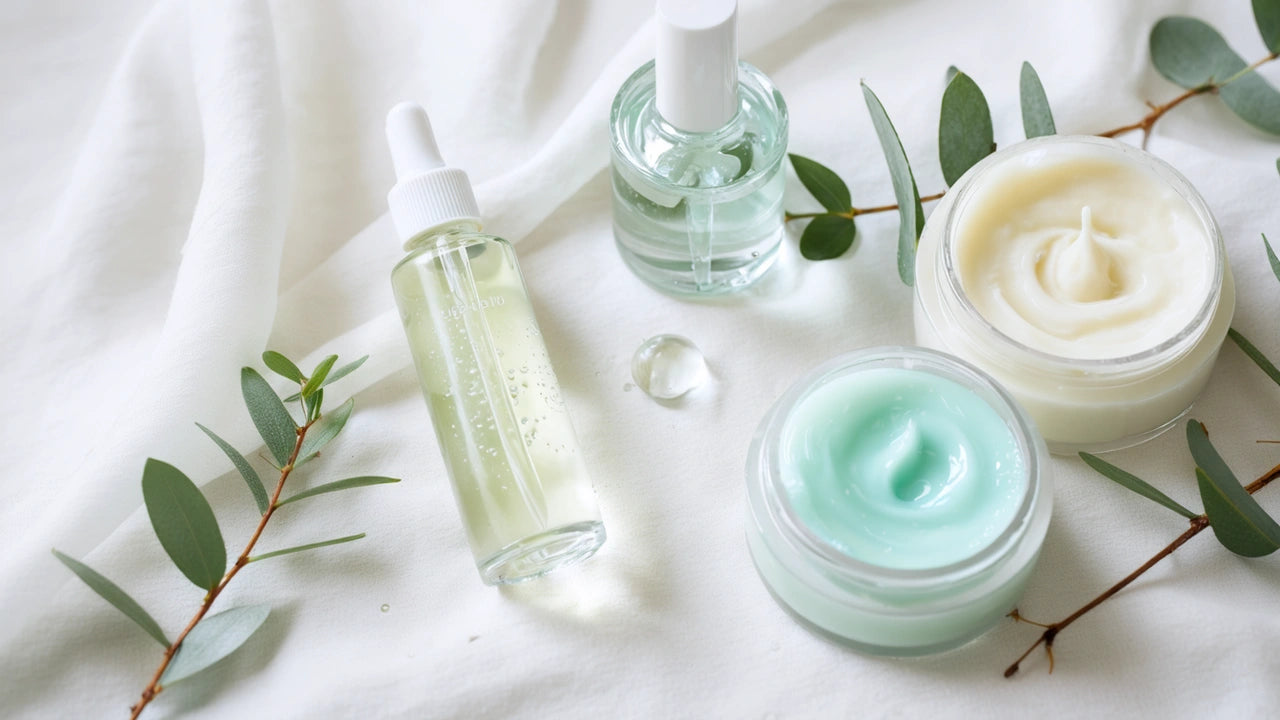
Instead of petroleum jelly, your final layer is a gel moisturizer — water-light, fast-absorbing, and packed with slower-release hydration to cap everything off. This is the whole Quench Botanics Method for humid climates: layer smart, seal light, never suffocate. If you're stuck choosing textures, we compared gel vs cream moisturizer for oily, humid-climate skin so you can pick with confidence.
Why it suits Mumbai and Chennai air
In sticky coastal air, your skin is already fighting evaporation and sweat. A clean slug works with that instead of against it — enough of a seal to hold hydration, light enough to breathe. Cosmetic scientists note that humectant-forward layering suits humid weather better than occlusive-heavy routines, because the ambient moisture actually helps humectants do their job. Before you slug, oily skin loves a quick prep step like the birch clarifying serum for oil balance to keep things fresh underneath.
How Do You Clean-Slug Step by Step for Oily Skin?
- Hydrate on damp skin: After cleansing, don't fully dry off. Pat a hydrating toner or essence onto slightly damp skin so humectants have water to grab and pull inward.
- Snail mucin layer: Press a coin-sized amount of your 96% Snail Mucin Collagen Boost Serum into skin as the breathable seal step. Go thin — layers, not lashings.
- Gel moisturizer seal: Finish with a light gel moisturizer to cap the hydration. This replaces the greasy occlusive completely and keeps the finish soft, not sticky.
- Frequency: Start with 2–3 nights a week, not nightly. Watch how your skin responds through humid stretches and scale up only if it feels happy and hydrated in the morning.
Around the delicate eye area, keep it even lighter — a targeted formula like the 92% snail mucin eye serum gives that same dewy seal without heaviness where skin is thinnest.

| Step | Classic Slugging | Clean Slug (Oily + Humid) |
|---|---|---|
| Seal layer | Petroleum jelly | Snail mucin + gel moisturizer |
| Feel | Heavy, occlusive | Breathable, light |
| Best climate | Cold, dry winters | Humid, tropical days |
| Frequency | Nightly | 2–3 nights a week |
Frequently Asked Questions About slugging for oily skin in Indian humidity
Is slugging safe for acne-prone skin in humid weather?
Yes, slugging can be safe for acne-prone skin in humid weather if you choose lighter, non-comedogenic sealants instead of heavy petroleum-based balms. In sticky Indian humidity, dense occlusives can trap sweat, sebum and bacteria against the skin, which may trigger congestion. Opt for breathable, plant-based occlusives that lock in moisture without smothering pores, apply a thin layer only, and always slug on clean, fully-dry skin. If you're mid-breakout, avoid slugging over active pimples and p
What is the difference between slugging and moisturising?
The difference is that moisturising adds hydration to the skin, while slugging seals that hydration in with an occlusive layer on top. A moisturiser contains water-binding humectants and emollients that your skin absorbs to feel plump and soft. Slugging is the final step applied over your moisturiser, using an occlusive to lock everything in and slow overnight water loss. Think of moisturiser as pouring water into a glass and slugging as putting a lid on it. In humid climates, you can slug with
How often should you slug oily skin?
For oily skin, slugging 1 to 2 times a week is usually enough, rather than every single night. Oily skin already produces plenty of sebum, so nightly occlusion can feel too heavy and increase the chance of congestion, especially in humid conditions. Start with once a week on nights when your skin feels dry, tight or dehydrated, and see how it responds before adding a second session. Always use a thin layer of a breathable sealant and cleanse thoroughly the next morning. Consistency matters less
Can I use retinol or exfoliating acids before slugging?
It's best to avoid slugging directly over retinol or exfoliating acids like AHAs and BHAs, because the occlusive layer boosts their penetration and can cause irritation. Sealing actives in traps them against your skin more intensely overnight, which may lead to redness, stinging or peeling, particularly for sensitive or oily-but-reactive skin. If you want to combine them, apply your active, let it fully absorb, follow with a hydrating moisturiser as a buffer, then slug only if your skin tolerate
Shop Quench Botanics
Ready for a plumper, non-sticky morning? Build your clean slug with the breathable, humectant-rich 96% Snail Mucin Collagen Boost Serum, then cap it with a light gel finish that loves humid weather. Craving that lit-from-within look? Pair it with our realistic glass skin routine for the full dewy payoff — no grease, no suffocation, just happy hydrated skin that breathes through the monsoon.