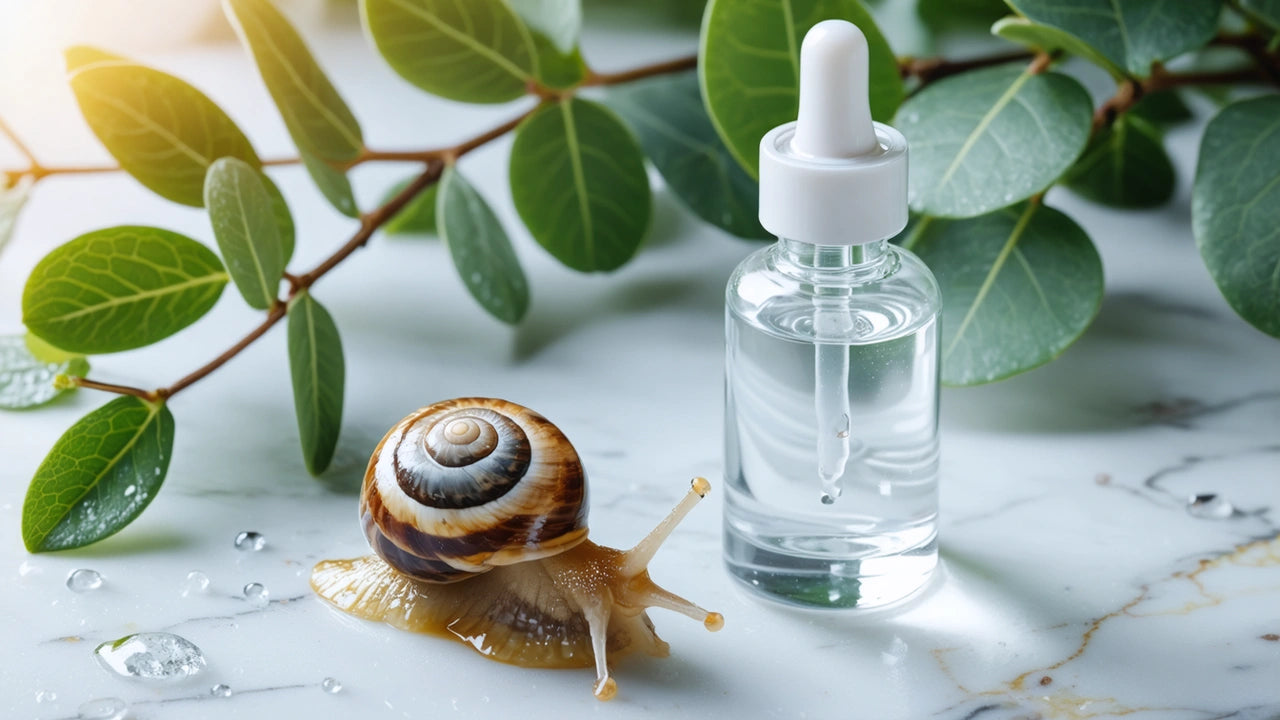

If your skin feels rough, tight, weirdly dull and randomly breakout-prone once the rains ease up, you don't need a whole new shelf of products — you need a gentle post monsoon skin barrier repair routine for India that strips things back and rebuilds. The skin barrier is the outermost layer of your skin (the stratum corneum), a brick-and-mortar wall of skin cells held together by lipids like ceramides that locks moisture in and keeps irritants, pollution and microbes out. After months of humidity, sweat, damp masks and heavy layering, that wall gets a little shaky — and the fix is calm, hydration and consistency, not more actives. Think of the next two weeks as a reset: gentle cleanse, cica to soothe, snail mucin to seal, SPF every morning. That's genuinely it.
Why Does Skin Feel Rough and Dull After the Rains?
Post-monsoon skin recovery is really about repairing a barrier that's been quietly overworked all season. When your skin feels rough after the rains, it's usually a stressed, slightly compromised barrier waving a little flag — and the good news is it's very fixable with the right gentle care. Early on, if you want a calming cica hero to anchor your reset, our Birch Please Clarifying Serum with cica is a lovely place to start.
The humidity and sweat toll on your barrier
All that muggy air feels hydrating, but it's a bit of a trickster. Constant humidity plus sweat means your skin is damp for long stretches, which softens the stratum corneum and lets your natural lipids wash away faster. Layer on sunscreen re-application struggles, damp cotton masks, extra face-washing to feel "clean," and pollution that spikes after rain, and your barrier ends up doing overtime with less protection.
Signs your barrier is stressed
A damaged skin barrier doesn't always look dramatic. Watch for tightness after cleansing, patches that flake or feel rough, stinging when you apply products that never used to bother you, redness that lingers, and a dull, "grey" look no highlighter can fix. You may also notice more small bumps and breakouts — because a weakened barrier lets things in more easily. For Fitzpatrick III–V Indian skin, barrier stress often shows up as uneven tone and lingering post-breakout marks rather than obvious redness, so dullness and slow-fading spots are your biggest tells.
Which Ingredients Actually Repair the Skin Barrier?
The repair trio that does the heavy lifting is cica, ceramides and snail mucin — each plays a distinct, evidence-backed role, and together they form the backbone of what we call The Quench Botanics Method: soothe first, hydrate deeply, then seal. Here's how each one earns its place.
How cica calms a stressed barrier
Cica for skin barrier support is basically a cool, quiet exhale for irritated skin. Those madecassoside and asiaticoside compounds help soothe the look of redness and support your skin's own comfort signals when it's feeling reactive. Research published in the Journal of Ethnopharmacology found that Centella Asiatica extract supports skin's natural collagen-building and wound-recovery pathways, which is exactly why it's a K-beauty staple for barrier resets. It's the ingredient you reach for when your skin feels "angry" and you want to say, gently, calm down.
How ceramides rebuild the wall
If your barrier is a brick wall, ceramides are the mortar. They're lipids your skin makes naturally, and they slot between skin cells to seal gaps and hold water in. When monsoon strips them out, replenishing ceramides topically helps rebuild that seal so moisture stops leaking and irritants stop sneaking in. Dermatologists recommend ceramide-rich moisturisers as a first-line step for any compromised barrier, precisely because they replace what your skin has lost rather than forcing it to work harder.
How snail mucin repairs and seals
Snail mucin (INCI: Snail Secretion Filtrate) is the multitasker that ties it all together — it's packed with glycoproteins, hyaluronic acid and glycolic-adjacent soothers that hydrate, support the look of bounce, and help skin feel repaired. Once your skin is calm and hydrated, our 96% Snail Mucin Collagen Boost Serum layers in like a comforting glaze that seals hydration and helps that dull post-monsoon skin look plumper and glowier. If you're curious how it stacks up against pure HA, our guide on hyaluronic acid vs snail mucin breaks it down.
What Is the 2-Week Post-Monsoon Repair Routine, Step by Step?
A two-week post-monsoon barrier repair routine is simple: gently cleanse morning and night, apply a cica serum to calm and hydrate, layer snail mucin to seal in moisture, and finish every morning with a lightweight SPF. Pause all strong exfoliants and retinoids during these two weeks so your skin can rebuild without being overloaded.
The whole idea of this barrier repair routine for humid climate living is to do less, better. Four steps, repeated daily, for fourteen days. No new actives, no experiments — just the essentials that rebuild.
Step 1: Gentle cleanse
Swap any foaming, squeaky-clean cleanser for something creamy or balmy that respects your lipids. Cleanse once at night to remove sunscreen and grime, and in the morning either just splash water or use the same gentle cleanser. The goal is skin that feels soft and comfortable afterwards — never tight. Over-washing is one of the fastest ways to keep a barrier broken, so resist the monsoon urge to scrub.
Step 2: Cica-hydrate
On damp skin, apply your cica serum to calm reactivity and deliver the first layer of hydration. This is where you tell your barrier the stress is over. Pat, don't rub, and give it a few seconds to sink in before the next step.
Step 3: Snail mucin seal
Layer snail mucin next to lock that hydration in and add its glycoprotein goodness. It sits beautifully over cica and gives skin that healthy-cushion feel. Follow with a ceramide-rich moisturiser to close everything off — this is your mortar step.
Step 4: Morning SPF, non-negotiable
A repairing barrier is a vulnerable barrier, so daily sun protection is the difference between healing and re-damaging. Finish every morning with our Ultra Light SPF 50+ sunscreen — it's featherlight for humid Indian mornings and won't sit heavy or pill under a mask. Post-monsoon UV is sneaky through the clouds, so this step stays even on grey days.
What Should You Pause While Your Barrier Repairs?
Knowing how to repair a damaged skin barrier is as much about what you stop as what you add. For two weeks, put the strong stuff on the bench.
Skip strong exfoliants
AHAs, BHAs and physical scrubs strip the very layer you're trying to rebuild. Pausing them for two weeks won't undo your progress — it protects it. Your glow comes back through hydration, not sanding.
Ease off retinoids
Retinoids are brilliant long-term, but they increase cell turnover and can feel harsh on an already-thin barrier. Take a short break and reintroduce slowly once skin feels calm. If you love a structured approach, our skin cycling beginner's guide is a gentle way to bring them back later.
Don't over-cleanse
Twice a day is plenty. Every extra wash to feel "less sweaty" chips away at your lipids. Blot with a soft tissue or rinse with plain water instead of reaching for cleanser again.
How Do You Handle Post-Monsoon Breakouts Without Stripping?
Monsoon and its aftermath are peak breakout season in India — trapped sweat, humidity and clogged pores are a perfect storm. The instinct is to attack every bump, but stripping a fragile barrier just makes things worse. The move is targeted, gentle spot care.
Spot care, not all-over stripping
Treat the actual blemish, not your whole face. Keep your barrier steps intact and address individual spots so you don't dry out healthy skin trying to zap one pimple.
Reach for cica patches
A cica-infused patch is the neatest way to soothe a spot, absorb gunk and stop yourself from picking — all while protecting the surrounding skin. Pop one on a fresh breakout overnight and let it do the quiet work.

One important note: not every monsoon "breakout" is regular acne. Those tiny, itchy, uniform bumps on the forehead and hairline are often fungal acne, which needs a different approach entirely. If yours aren't budging, read our guide on fungal acne vs regular acne in monsoon before you pile on treatments.
When Can You Reintroduce Your Actives?
Once your barrier feels genuinely calm again, you can slowly bring your routine back to full strength — the key word being slowly.
Signs your barrier has recovered
You'll know you're ready when tightness is gone, flaking has settled, products stop stinging, and your skin looks bouncy and less dull. That comfortable, cushioned feeling is your green light. If your skin still stings or feels tight, give it a few more days — there's no prize for rushing.
Reintroduce one active at a time
Add back one thing, once or twice a week, and watch how skin responds before layering in more. Start with the gentlest active and space out actives so you never overwhelm the wall you just rebuilt. Keep cica, snail mucin and SPF as your permanent base — they're barrier-friendly forever, not just for these two weeks.

Frequently Asked Questions About post monsoon skin barrier repair routine India
What is a post monsoon skin barrier repair routine in India?
A post monsoon skin barrier repair routine in India is a simplified, gentle skincare regimen that helps skin recover after the humidity, sweat and pollution of the rainy season. It typically involves stripping back to the essentials — a mild cleanser, a barrier-supporting serum with cica, ceramides or snail mucin, and a lightweight moisturiser with SPF by day. The goal is to reduce dehydration, calm irritation and rebuild the skin's protective barrier over about two weeks before slowly reintrodu
Why does my skin feel worse after the monsoon?
Your skin often feels worse after the monsoon because prolonged humidity, sweat and pollution weaken its protective barrier. Constant moisture on the surface can trap bacteria and clog pores, while sudden shifts between humid outdoors and air-conditioned indoors cause dehydration underneath the oiliness. This combination leaves skin looking dull, feeling rough or tight, and breaking out more easily. Fungal acne and increased sensitivity are also common as the season ends. The fix isn't more prod
What ingredients help rebuild the skin barrier?
The best ingredients to rebuild the skin barrier are ceramides, cica (Centella asiatica), snail mucin, hyaluronic acid, panthenol and niacinamide. Ceramides replenish the lipids that hold skin cells together, while cica calms redness and speeds up recovery. Snail mucin hydrates and supports healing, hyaluronic acid draws in moisture, and panthenol soothes irritation. Niacinamide strengthens the barrier and helps regulate oil. Look for these on your labels and pair them with a gentle, non-strippi
How long does it take to repair a damaged skin barrier?
A damaged skin barrier usually takes about two to four weeks to repair with consistent, gentle care. Mild damage — like tightness or occasional flaking after the monsoon — often improves within two weeks once you simplify your routine and use barrier-supporting ingredients. More significant damage, with persistent redness, stinging or sensitivity, can take four to six weeks to fully calm down. The key is patience and consistency: avoid over-exfoliating, keep your routine minimal, and only reintr
Is snail mucin safe for acne-prone skin?
Yes, snail mucin is generally safe and well-tolerated by acne-prone skin. It's lightweight, non-comedogenic for most people, and hydrates without a heavy, greasy feel — which is ideal during the sticky post-monsoon months. Snail mucin also contains soothing and repairing compounds that can help calm active breakouts and fade post-acne marks over time. That said, everyone's skin is different, so patch-test a new snail mucin product on your jaw for a couple of days first. If you're prone to fungal
Can I use niacinamide with ceramides while repairing my barrier?
Yes, niacinamide and ceramides work beautifully together and are one of the best pairings for barrier repair. Niacinamide strengthens the barrier, calms redness and helps balance oil, while ceramides restore the lipids that keep skin hydrated and protected. Used together, they reinforce each other's benefits without irritation, making them ideal for post-monsoon recovery. Apply a niacinamide serum first, then follow with a ceramide-rich moisturiser to seal everything in. Both are gentle enough f
Shop Quench Botanics
Ready to give your skin its post-monsoon reset? Build your barrier-repair kit around four calm heroes: start with the Birch Please Clarifying Serum with cica to soothe, layer the 96% Snail Mucin Collagen Boost Serum to seal in hydration, lock it all in with a nourishing avocado + vitamins C & E barrier moisturiser, and protect every morning with the Ultra Light SPF 50+ sunscreen. Two weeks of gentle, consistent love — and your bounce-back glow follows. You've got this, and we're right here with the botanicals to help.