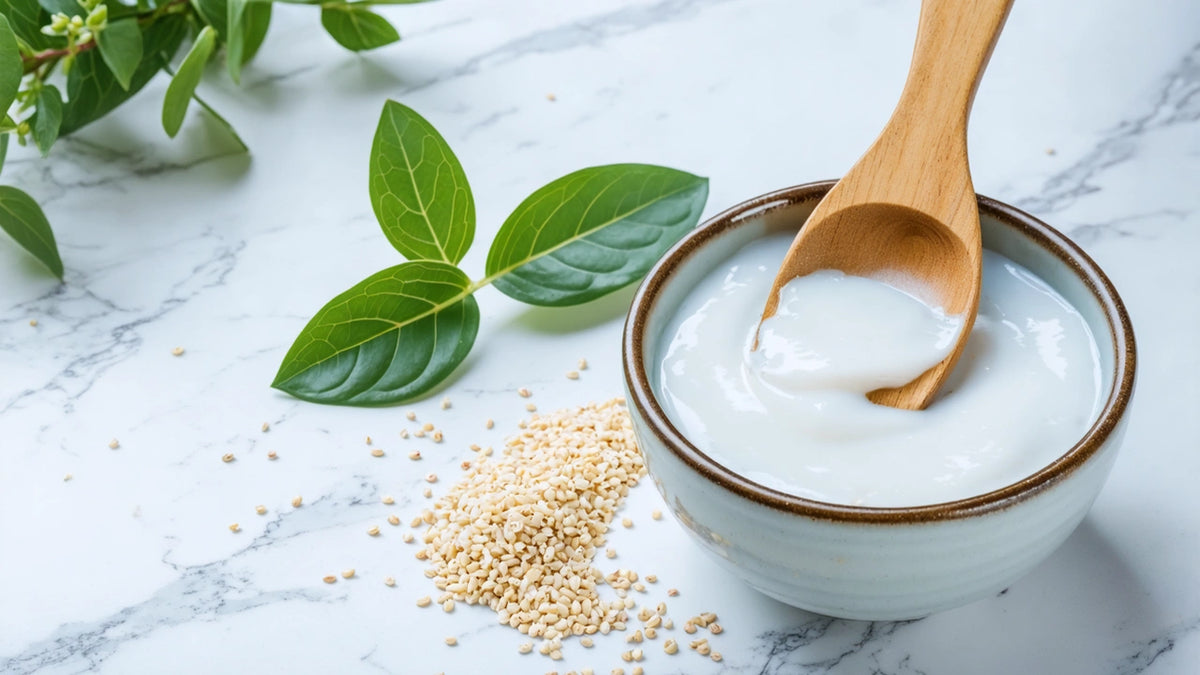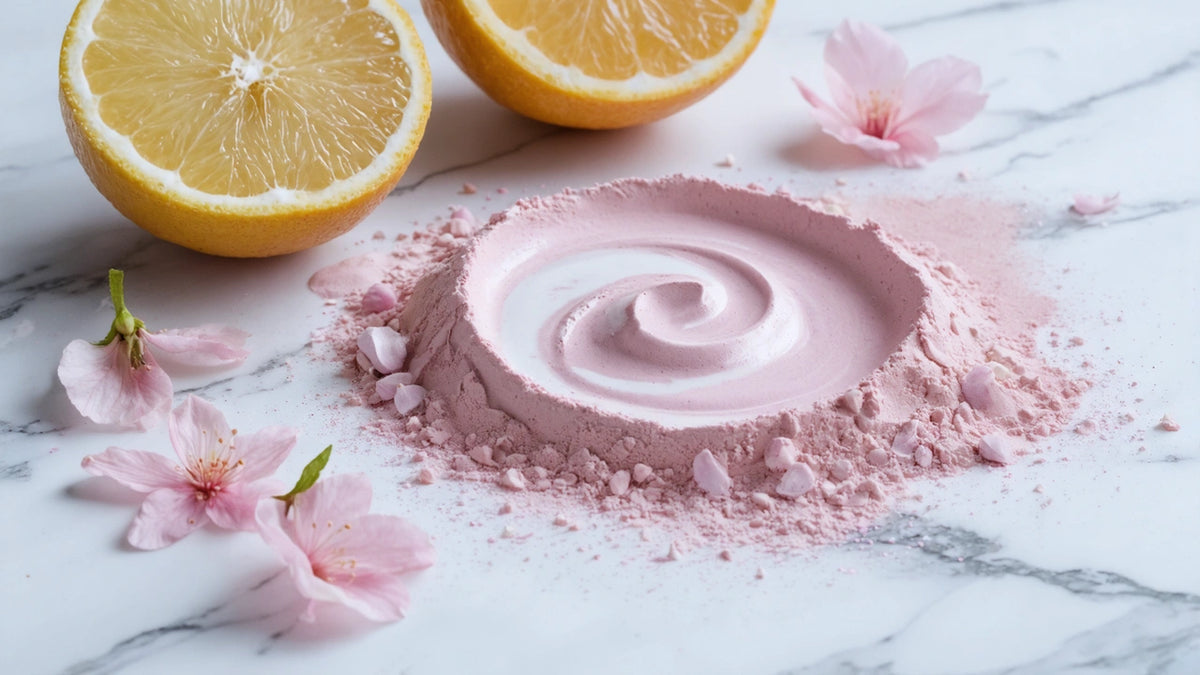

If your skin has been acting unfamiliar since the rains eased up, the fix is usually fewer steps, not more. A skin barrier repair routine India edition is a short, deliberately boring routine — gentle cleanser, hydration, a soothing layer, a sealing moisturiser and daytime sunscreen — held steady for about two weeks before actives come back. Your skin barrier is the outermost layer of skin plus its natural lipids, the bit that keeps water in and irritants out. Post-monsoon in India, that layer often gets confused: weeks of humidity, sweat, sunscreen reapplication and enthusiastic exfoliation, then a sudden switch to drier, dustier air. Nothing is broken. It just needs quiet.
Is Your Barrier Actually Struggling? A Quick Self-Check
Before you buy anything, scan this list. It takes about ten seconds, and it's more useful than any mirror-staring session.
Five signs to look for
- Tightness right after cleansing — that squeaky, stretched feeling that makes you want to reach for moisturiser immediately. A comfortable cleanse should feel like nothing much at all.
- Stinging from products you've used forever — your regular serum suddenly tingles at the cheeks or around the nose. That's usually the barrier speaking up, not the serum going bad.
- Flaky patches sitting next to oily zones — very common in Indian humidity. Dehydrated skin can still be shiny, and the two aren't contradictory.
- Dullness that no amount of exfoliation fixes — if scrubbing more makes it worse, that's a clue in itself.
- Sudden reactivity — flushing after a hot shower, redness after a face towel, a new sensitivity to fragrance you never noticed before.
Two or more of these showing up together? Your skin is asking for a pause, and pausing is genuinely enough.
What usually causes it in India
Almost never one villain. Usually a stack: months of humid-weather oil control, clay masks twice a week, a strong exfoliating toner, hot showers, and then the post-monsoon air shift that dries things out faster than your routine adjusted.
Add city dust and long AC hours, and the barrier's job gets harder while the products get more demanding. If you're mid-season-swap, our monsoon to autumn skincare swap sheet pairs neatly with what follows here.
What Does the Skin Barrier Actually Do, in Plain Language?
The brick-and-mortar picture
Picture a brick wall. The bricks are your surface skin cells; the mortar is a blend of lipids — ceramides, cholesterol, fatty acids — holding them together.
When the mortar is intact, water stays in and irritants stay out. When it's patchy, water escapes faster and things that would normally slide off get a foot in the door.
That's the whole concept. Every "barrier" product you've read about is basically trying to support one of those two jobs: reduce water loss, or reduce provocation.
Why humidity confuses it
Humid air makes skin feel plump and hydrated, which is lovely — and slightly misleading. Surface moisture from the air isn't the same as a well-supported lipid layer underneath.
So through monsoon, a lot of us quietly under-moisturise (it feels unnecessary) while over-cleansing and over-exfoliating (it feels productive). The bill arrives in October.
A skin barrier repair routine for India means simplifying to four steps for about two weeks: a gentle cream cleanser, a hydrating layer like 96% snail mucin, a soothing Cica step, and a sealing moisturizer with sunscreen by day. Pause exfoliants and strong actives, then reintroduce one at a time.
One India-specific note worth saying out loud: Fitzpatrick III–V skin, which covers most of us, tends to respond to irritation with pigmentation rather than obvious redness. So barrier stress here can look like new dullness or lingering marks instead of a flushed face — which is exactly why calming down early matters more than pushing through.
Which Two Ingredients Lead a Barrier Repair Routine — Cica or Snail Mucin?
Both, actually, and they do different jobs. Think of Cica as the "settle down" step and snail mucin as the "cushioned hydration" step.
Cica for calm
Cica earned its K-beauty fame precisely because it's undramatic. It doesn't tingle, it doesn't purge, it doesn't demand a slow-introduction protocol.
Our Dark Spot Correcting Ampoule with Cica Herb Repair is the one I reach for during a reset, because it addresses uneven tone in a formula built around a soothing botanical rather than a harsh one. If you want the deeper dive, our calm-down guide for sensitive skin goes further into how Cica fits a reactive routine.

Snail mucin for cushioned hydration
Snail mucin filtrate is a humectant-rich, slightly slippery hydrator — it holds water at the skin's surface and layers beautifully under a moisturiser without the tacky film heavier serums can leave.
Our formula sits at 96% snail mucin with niacinamide and hyaluronic acid, which is a genuinely useful trio during a reset: hydration plus a well-tolerated brightening ingredient, no exfoliating acids in sight. If you've ever wondered why the percentage gets talked about so much, our explainer on what snail mucin actually does for glow unpacks it properly.
Avocado vitamins C & E to seal
Hydration without a seal is a leaky bucket. That's the job of the Quench Avocado Barrier Repair Moisturizer — avocado with vitamins C and E, formulated to feel nourishing rather than occlusive, so it works even when the air is still muggy.
The general mechanism, stated carefully: emollient- and lipid-rich moisturisers help reduce how quickly water evaporates from the skin surface, which gives the barrier more comfortable conditions to do its own thing. That's support, not repair-on-demand.
How Do You Build the Four-Step Quiet Routine for Two Weeks?
Four steps. Two weeks. No new experiments. Here's the order.
- Step 1: Swap to a cream cleanser Retire the foaming or clarifying wash for now. The Rice Water Hydrating Cream Face Wash cleanses without that stripped, squeaky finish — rice water is a long-standing gentle-cleansing staple in K-beauty for exactly this reason. Lukewarm water, thirty seconds, no scrubbing.
- Step 2: Hydrate on damp skin While skin is still slightly damp, press in the 96% Snail Mucin Collagen Boost Serum. Two to three drops, patted not rubbed. Damp application gives humectants something to hold onto.
- Step 3: Soothe Follow with the Cica Herb Repair ampoule, focusing on the areas that have been complaining — usually cheeks, jaw and the sides of the nose.
- Step 4: Seal, and add sunscreen by day Finish with the avocado barrier moisturiser. In the morning, sunscreen goes last, every single day — post-monsoon UV is not gentler just because the sky looks moody.

Morning order
Rinse with water only if skin feels fine, or use the cream cleanser if you're oily by morning. Then snail mucin, Cica, moisturiser, sunscreen. Done in under three minutes.
Night order
Cleanse (double-cleanse only if you wore makeup or sunscreen — oil balm first, then cream cleanser). Snail mucin, Cica, moisturiser. That's it. No acids, no retinoid, no clay.
What to pause
- Exfoliating acids — AHAs, BHAs, and any "resurfacing" toner. Full stop for two weeks.
- Clay masks and scrubs — your pink clay mask is not going anywhere; it'll be waiting.
- Retinoids and strong vitamin C — pause them, don't panic. Consistency over years matters far more than two weeks off.
- Anything that tingles — if it announces itself on application, it's on the bench for now.
How to layer in humidity
Thin layers, patted in, each one allowed thirty seconds to settle. If your skin is still oily in the T-zone, use the moisturiser more generously on cheeks and lightly on the centre — the same product, different quantities.
Humid-climate layering has its own logic, and our guide to choosing a hyaluronic acid moisturiser for humid Indian weather is worth a read if your skin flip-flops between greasy and tight.
How Do You Reintroduce Actives Without Starting Over?
This is where most resets fall apart — two good weeks, then everything comes back on the same night. Reintroduce one active at a time, on non-consecutive nights, and give each a full week before adding the next.
Week 3: one active, two nights
Pick the one you missed most. Use it twice that week, on nights when you've slept well and skin feels comfortable. Keep the snail mucin and moisturiser exactly as they are.
Week 4: add brightening back
Vitamin C returns in the morning, two or three days a week, buffered under moisturiser if needed. Our Yuzu Vitamin C guide for pigmentation covers the gentler end of the brightening spectrum. For niacinamide sequencing in sticky weather, see how to layer niacinamide in humidity.
| Timeline | Cleanse & hydrate | Actives | Exfoliation |
|---|---|---|---|
| Weeks 1–2 | Cream cleanser, snail mucin, Cica, avocado moisturiser, SPF | All paused | None |
| Week 3 | Unchanged | One active, 2 nights | None |
| Week 4 | Unchanged | Vitamin C, 2–3 mornings | Optional: 1 gentle session |
| Week 5+ | Unchanged core | Two actives, alternate nights | Once weekly, if comfortable |
Signs to slow down
Stinging that lasts past a minute, new flaking, or a fresh crop of texture means step back to the four-step routine for another week. That's not failure — that's information. If you'd like a longer, more structured version of this reset, our step-by-step barrier repair routine breakdown maps it out week by week.
And if the monsoon did a number on your scalp too, the rice water, Cica and quinoa protein reset handles the face-to-hair version of the same idea.
Frequently Asked Questions About skin barrier repair routine India
What is a skin barrier repair routine in India?
A skin barrier repair routine in India is a simplified skincare approach designed to restore the skin's protective outer layer, which gets stressed by monsoon humidity swings, pollution, and post-monsoon dryness. It typically strips back actives like retinoids and acids for a short period and focuses on gentle cleansing, hydrating serums, barrier-supportive moisturisers, and SPF. The climate-specific angle matters because Indian weather shifts fast between humid and dry, which confuses the skin
How do you follow a skin barrier repair routine step by step?
You follow a skin barrier repair routine by simplifying your regimen to a handful of gentle, repetitive steps used consistently for at least two weeks. Start with a low-foam or non-foaming cleanser, follow with a hydrating, humectant-rich serum, seal it in with a barrier-supportive moisturiser containing ceramides or soothing herbal extracts, and finish with SPF every morning. Consistency matters more than variety here, so resist adding new products mid-routine. Nighttime can mirror the morning
How do I know if my skin barrier is damaged?
You can tell your skin barrier is damaged if it feels tight, stings when you apply products that never used to bother it, looks flaky or dull, or flushes red easily. Other signs include breakouts appearing in new areas, oiliness paired with dehydration, and slower recovery from sun or wind exposure. If your usual moisturiser suddenly feels insufficient or your skin reacts unpredictably to familiar products, that's a strong signal. These symptoms usually show up gradually after over-exfoliation,
How long does it take for a damaged skin barrier to feel better?
Most people notice their skin barrier starting to feel calmer within one to two weeks of consistent, gentle care, though full recovery can take up to four to six weeks depending on how damaged it was. Mild irritation from a few days of over-exfoliation may settle in a matter of days, while chronic barrier stress from months of harsh actives or weather exposure takes longer to rebuild. Patience and consistency matter more than switching products frequently. Tracking small wins like reduced tightn
Can I use active ingredients while repairing my skin barrier?
It's generally best to pause strong actives like retinoids, high-percentage acids, and vitamin C while your barrier is actively repairing, since these can increase sensitivity before your skin is ready. Once tightness, redness, and flaking have noticeably improved, you can reintroduce one active at a time, starting with a lower frequency like once or twice a week. Watch how your skin responds for several days before adding the next product back in. Layering everything at once right after repair
What is the difference between a dehydrated barrier and an oily barrier?
A dehydrated barrier lacks water and often feels tight, dull, and flaky even if the skin looks shiny, while an oily barrier struggles with excess sebum but can still be water-starved underneath. Confusingly, damaged barriers often produce more oil as a defensive response, so oiliness alone doesn't rule out dehydration. The real distinguishing sign is texture: dehydrated skin feels rough or tight after cleansing, whereas naturally oily skin without barrier damage tends to feel comfortable and onl
Shop Quench Botanics
Go boring for two weeks, then glow — that's the whole plan. If you're starting from scratch, the easiest entry point is the 96% Snail Mucin Collagen Boost Serum mini, which is small enough to finish inside a reset and giftable enough to share with whoever in your family keeps borrowing your serum.
Pair it with the 92% Snail Mucin Collagen Boost Moisturizer if you prefer a lighter seal in still-humid weather. Every label names its botanicals, every formula is built to be gentle enough for a barrier reset, and everything is cruelty-free and paraben-free. Come explore the full face-to-hair routine at Quench Botanics whenever you're ready — your skin will tell you when.