Niacinamide for Hyperpigmentation on Indian Skin: Your Expert Ingredient Guide
Niacinamide — the water-soluble form of Vitamin B3 — is one of the most well-researched brightening actives available today, and it's particularly effective for hyperpigmentation on Indian skin. It works by interrupting the transfer of melanin (the pigment responsible for dark spots) from pigment-producing cells to the surface skin cells, resulting in a more even, luminous complexion. If you've been overwhelmed by the brightening aisle, niacinamide is the calm, consistent choice that dermatologists keep recommending — for good reason.
Why Is Hyperpigmentation So Common in Indian Skin?
Melanin density and post-inflammatory hyperpigmentation
Indian skin types — predominantly Fitzpatrick III–V — carry a naturally higher density of active melanocytes. This means any inflammation, whether from a pimple, a rash, or even a small cut, signals the skin to overproduce melanin as a protective response. The result is post-inflammatory hyperpigmentation (PIH): those stubborn dark marks that linger long after the original blemish has healed. For deeper skin tones, PIH can last months or even years without targeted treatment.
Sun exposure, pollution, and hormonal triggers in India
India's tropical climate means prolonged UV exposure year-round — a primary driver of melanin overproduction. Add urban air pollution and common hormonal conditions like melasma (especially prevalent in Indian women post-pregnancy or on contraception), and you have the perfect storm for uneven skin tone. Humidity also increases sebum production, which clogs pores and creates the breakouts that lead to more PIH.
Why standard brightening products often fail darker skin tones
Many Western-formulated brighteners are designed for Fitzpatrick I–III skin and rely on higher concentrations of acids or bleaching agents that can cause rebound hyperpigmentation — darkening the very spots they were meant to lighten — in melanin-rich skin. This is precisely where niacinamide shines: it brightens at the cellular level without irritation, making it the most accessible and safest brightening active for Indian skin.
What Is Niacinamide and How Does It Fade Dark Spots?
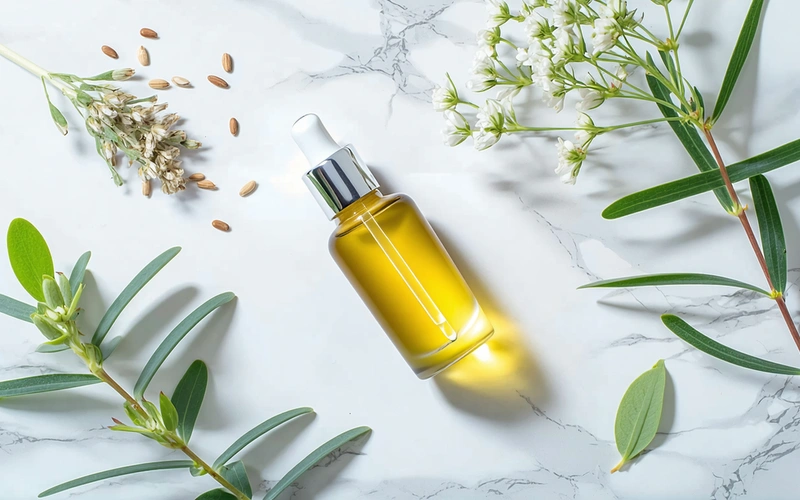
The melanin-transfer blocking mechanism explained
Niacinamide reduces hyperpigmentation on Indian skin by blocking melanin transfer between skin cells, reducing post-inflammatory dark marks and evening out skin tone — typically visible results appear within 4–8 weeks of consistent use at 5–10% concentration.
Think of melanin production as a factory and delivery process. Melanocytes manufacture pigment, then package it into tiny capsules called melanosomes, which are then delivered to surrounding skin cells. Niacinamide intercepts that delivery — it doesn't stop pigment production entirely, but significantly reduces how much reaches the skin's surface. Research published in the British Journal of Dermatology found that topical niacinamide at 5% significantly reduced hyperpigmentation and improved skin tone evenness compared to vehicle control after 8 weeks, with an excellent tolerability profile in Asian skin types.
Anti-inflammatory benefits for post-acne marks
Beyond melanin transfer, niacinamide is a credible anti-inflammatory. It calms the skin's inflammatory response that triggers PIH in the first place — so it's working both upstream (preventing the dark mark) and downstream (fading existing ones). Cosmetic scientists note that this dual-action profile is rare among brightening actives, most of which only address existing pigment.
Oil regulation as a bonus for oily Indian skin
Dermatologists frequently recommend niacinamide for oily and combination skin types — precisely the skin types most common in India's humid climate. It regulates sebum secretion without stripping the skin's moisture barrier, meaning fewer breakouts, fewer PIH marks, and a visibly mattified complexion. A bonus that kojic acid and alpha arbutin simply can't offer.
If you're looking for a serum that delivers niacinamide alongside skin-repairing snail mucin, the 96% Snail Mucin Collagen Boost Serum with Niacinamide from Quench Botanics combines both actives in a single lightweight formula designed for daily use.
What Percentage of Niacinamide Should You Use on Indian Skin?
| Concentration | Best For | Suitable Skin Types |
|---|---|---|
| 2–4% | Daily barrier support, mild brightening, sensitivity-prone skin | Sensitive, dry, reactive |
| 5–10% | Targeted dark spot reduction, oil control, anti-inflammatory | Normal, oily, combination, acne-prone |
| 10%+ | Intensive spot treatment — use with caution | Non-sensitive; introduce gradually |
2–5%: everyday brightening and barrier support
At this range, niacinamide is gentle enough for daily use on all skin types, including sensitive Indian skin prone to heat rash and redness. It builds cumulative brightening benefits over weeks without the risk of over-exfoliation or irritation.
10%+: targeted spot treatment considerations
Higher concentrations offer faster results but carry a greater risk of flushing or mild redness, particularly in humid climates where skin is already under thermal stress. If you're new to niacinamide, start at 5% and assess your skin's response over four weeks before moving higher.
Why Quench's balanced formula works for sensitive Indian skin
Quench Botanics formulates within the 5–10% sweet spot — effective enough to deliver visible brightening, gentle enough to wear every day in Indian weather. The formula is further stabilised by snail mucin and hyaluronic acid, which buffer any potential sensitivity while amplifying the moisture and repair benefits.
Niacinamide vs Kojic Acid vs Alpha Arbutin: What's Best for Indian Skin?
| Ingredient | Mechanism | Speed of Results | Irritation Risk | India Climate Suitability |
|---|---|---|---|---|
| Niacinamide | Blocks melanosome transfer | 4–8 weeks | Low | Excellent — stable in heat and humidity |
| Kojic Acid | Inhibits tyrosinase enzyme | 2–4 weeks | Medium–High | Moderate — sensitises skin to UV |
| Alpha Arbutin | Tyrosinase inhibition (gentler) | 4–6 weeks | Low–Medium | Good — but unstable at high temperatures |
Kojic acid: strengths and sensitisation risk
Kojic acid can deliver faster initial brightening by directly blocking the enzyme that produces melanin. However, it frequently causes contact dermatitis and paradoxically increases UV sensitivity — a significant drawback in India's sunny climate. Many Indian skin types report rebound darkening after stopping use.
Alpha arbutin: faster but more fragile
Alpha arbutin is a refined, gentler tyrosinase inhibitor derived from bearberry. It's more effective than kojic acid with less irritation, but it degrades quickly in high temperatures, making it less reliable during Indian summers where products are often stored without climate control.
Why niacinamide is the gentlest long-term choice
Niacinamide's mechanism doesn't touch the tyrosinase enzyme at all — it works later in the pigmentation pathway, making it inherently less likely to cause irritation. It's thermally stable, pairs well with other actives, and offers benefits beyond brightening. For Indian consumers committing to a long-term brightening routine, niacinamide is the most reliable foundation.
Can You Use Niacinamide with Vitamin C? Busting the Myth
The outdated niacin-flush concern explained
The myth that niacinamide and Vitamin C "cancel each other out" originates from decades-old chemistry research showing that the two ingredients could theoretically form a compound called nicotinic acid, which causes temporary skin flushing. The catch? This reaction requires prolonged heat and concentrations far beyond what skincare products contain.
Modern formulations make the combo safe and effective
Today's stable, pH-balanced cosmetic formulations make this reaction virtually impossible under normal use conditions. In fact, combining niacinamide with Vitamin C can actually enhance brightening outcomes — niacinamide reduces inflammation while Vitamin C neutralises free radicals that trigger melanin overproduction. For the complete breakdown, read our deep-dive on can you use niacinamide with Vitamin C.
How to layer them in your morning routine
Apply your Vitamin C serum first on clean skin, allow 60 seconds for absorption, then follow with your niacinamide product. This sequencing (thinnest to thickest texture) keeps both actives working at their optimal pH range and delivers maximum brightening benefits before your moisturiser and SPF.
How to Add Niacinamide to Your Indian Skincare Routine
AM routine: layer under moisturiser and SPF
- Cleanser — start with a gentle, pH-balanced face wash to remove overnight sebum and pollution residue.
- Niacinamide serum — apply 2–3 drops of the 96% Snail Mucin Collagen Boost Serum with Niacinamide on damp skin for better penetration.
- Moisturiser — seal in hydration to support the barrier before UV exposure.
- SPF 50+ PA++++ — non-negotiable in India's UV-intense climate; no brightening active works without consistent sun protection.
PM routine: pair with snail mucin for enhanced barrier repair
Nighttime is when the skin does its deepest repair work — and pairing niacinamide with snail mucin maximises this. The 92% Snail Mucin Collagen Boost Moisturizer with Niacinamide delivers a concentrated dose of both skin-renewing actives in your final PM layer. Snail mucin's glycoproteins accelerate cell turnover while niacinamide continues its brightening work — waking up to softer, more even-toned skin over weeks.
- Double cleanse — remove SPF and makeup thoroughly (oil cleanser, then water-based cleanser).
- Niacinamide serum — same as AM application.
- Snail mucin moisturiser — finish with the Quench Snail Mucin Moisturiser as the final, nourishing layer.
Frequently Asked Questions About niacinamide for hyperpigmentation Indian skin
What does niacinamide do for hyperpigmentation on Indian skin?
Niacinamide reduces hyperpigmentation on Indian skin by blocking the transfer of melanin from melanocytes to skin cells, visibly fading dark spots, post-acne marks, and uneven tone over time. Indian skin has naturally higher melanin activity, making it more prone to pigmentation after sun exposure, acne, or inflammation. Niacinamide addresses this at the cellular level without irritating the skin barrier — which is why it's one of the most recommended brightening ingredients for deeper South Asi
How much niacinamide percentage is effective for dark spots?
A concentration of 5% niacinamide is considered the sweet spot for effectively fading dark spots without causing irritation. Clinical studies support 5–10% as the therapeutic range — 5% suits sensitive and melanin-rich skin types well, while 10% may be used for more stubborn pigmentation. Going higher than 10% rarely improves results and can trigger redness or a tingling sensation, especially on reactive Indian skin. Consistent daily use at the right percentage matters far more than chasing high
Can I use niacinamide with vitamin C on Indian skin?
Yes, you can safely use niacinamide with vitamin C on Indian skin — the long-held myth that they cancel each other out is outdated. At the stable concentrations used in modern skincare formulas, these two ingredients actually complement each other beautifully: vitamin C neutralises free radicals and brightens, while niacinamide blocks melanin transfer and strengthens the skin barrier. For best results, layer a vitamin C serum first, let it absorb, then follow with your niacinamide product.
Is niacinamide better than kojic acid for Indian skin tone?
Niacinamide is generally better tolerated than kojic acid for Indian skin tones, making it the more beginner-friendly choice for everyday brightening. Kojic acid is a potent melanin inhibitor and can deliver faster visible results on stubborn pigmentation, but it carries a higher risk of irritation, sun sensitivity, and paradoxical post-inflammatory hyperpigmentation — a real concern for melanin-rich skin. Niacinamide works more gradually but is safe for long-term, daily use. For deeper or persi
How long does niacinamide take to fade hyperpigmentation?
Most people start to see a noticeable reduction in hyperpigmentation with consistent niacinamide use within 8 to 12 weeks. Skin cell turnover takes roughly 28 days, so meaningful fading of dark spots and post-acne marks requires at least two to three full cycles. Results depend on the depth of pigmentation, sun exposure habits, and the percentage used. Pairing niacinamide with daily SPF 30+ significantly speeds up visible brightening by preventing new UV-triggered pigmentation from forming.
Brighter Skin Starts Here: Shop Quench Niacinamide Formulas
Ready to give niacinamide its rightful place in your routine? Quench Botanics' Botanical Method combines clinically trusted actives like niacinamide with repair-forward botanicals — snail mucin, hyaluronic acid, and more — so your skin gets brighter and healthier at the same time.
- Start with the 96% Snail Mucin Collagen Boost Serum with Niacinamide for your daily brightening serum step.
- Layer the 92% Snail Mucin Collagen Boost Moisturizer with Niacinamide for overnight repair and lasting softness.
- Or go all-in on even tone with the Anti-Pigmentation Duo — the complete serum-and-moisturiser brightening system, curated for Indian skin.
Your most even, luminous skin is 4–8 weeks away. Start today with Quench Botanics.