
If you're stuck between tinted and regular SPF, here's the quick answer: a tinted sunscreen is usually the friendlier pick for Indian skin tones because the iron oxides in the tint cancel out the ashy white cast that regular mineral formulas can leave, while a regular (untinted) sunscreen is great if you want zero colour and full flexibility under makeup. Tinted sunscreen is a sun-protection formula infused with cosmetic pigments (typically iron oxides) that add a sheer, skin-blurring wash of colour while blocking UVA and UVB rays. Both protect equally well when you apply enough — the real difference is finish, coverage, and how gracefully they melt into deeper, warmer, humidity-prone skin.
What Does "Tinted" Actually Mean in Sunscreen?
The tint is really just clever pigment
The "tint" in a tinted sunscreen comes from iron oxides — the same skin-friendly pigments used in gentle foundations and BB creams. They do two jobs at once: they add a soft, universal wash of colour that blends across a range of undertones, and research suggests they help shield skin from visible light too. A study published in the Journal of the American Academy of Dermatology found that iron oxides in tinted formulas offer meaningful protection against high-energy visible (HEV) light, which is linked to worsening melasma and pigmentation — a genuinely relevant concern for Indian skin.
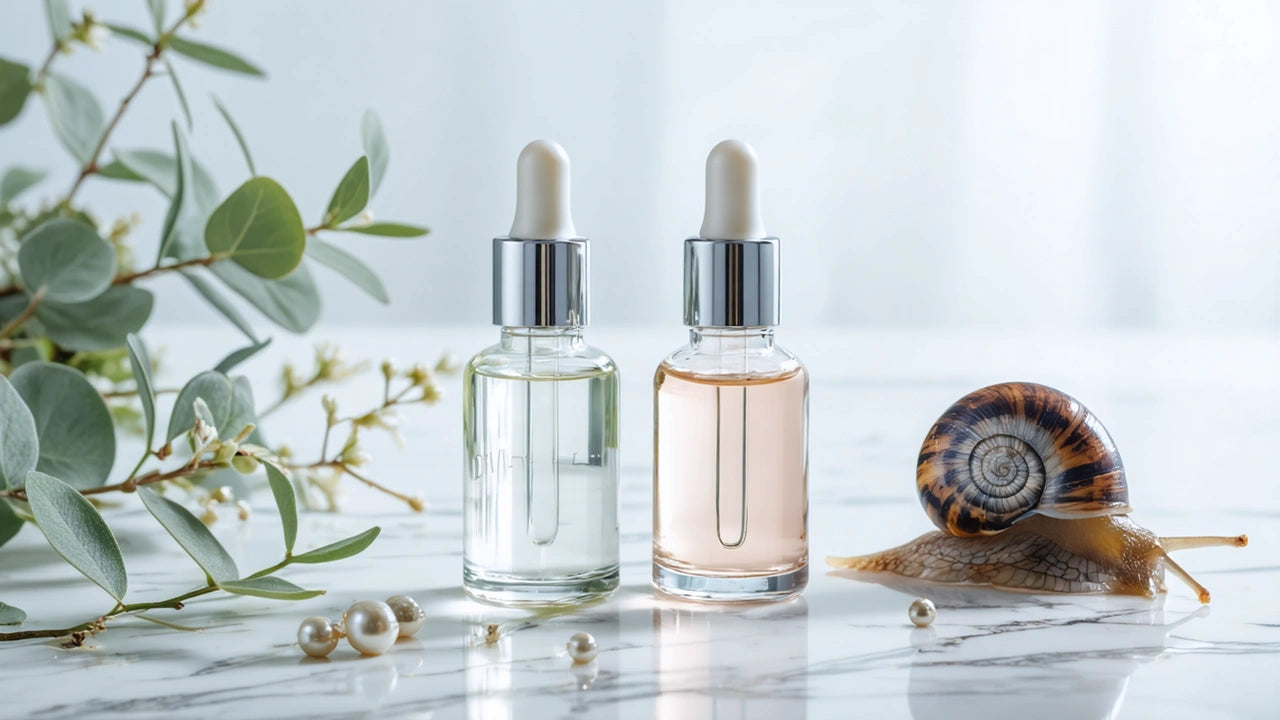
Before you reach for either sunscreen, prep matters. A few drops of a hydrating serum like the 96% Snail Mucin Collagen Boost Serum gives you a smooth, plump canvas so your SPF glides on evenly instead of clinging to dry patches.
Does Tinted Sunscreen Leave a White Cast on Indian Skin?
No, tinted sunscreen does not usually leave a white cast. The iron oxide pigments in tinted formulas add warm colour that neutralises the pale, ashy residue mineral filters can leave behind. This makes tinted SPF especially flattering on medium-to-deep Indian skin tones, blending into a natural finish rather than a chalky grey layer.
Why regular SPF can look ashy
Regular mineral sunscreens often rely on zinc oxide and titanium dioxide, which are naturally white. On fairer skin they can vanish, but on Fitzpatrick III–V skin — the warm, golden-to-deep tones most common across India — a thick untinted mineral layer can read grey or ashy until it fully settles. Chemical (untinted) sunscreens usually avoid this, but some can still flash white in photos.
How tint helps Type III–V skin
The pigment load in tinted sunscreen is designed to melt into deeper undertones, so instead of fighting a cast, you get a soft, even finish. Cosmetic scientists note that iron oxides blend across undertones better than a single foundation shade would, which is why one universal tint can suit so many faces. If white cast has been your dealbreaker, a no white cast sunscreen with a tint is your easiest win.
Can Tinted Sunscreen Replace Foundation and Survive Humid, Oily Skin?
Can tinted replace foundation?
Sort of — but manage expectations. Tinted SPF gives sheer, blurring coverage that evens out redness and mild dullness, but it won't fully conceal dark spots or acne marks the way full-coverage foundation does. Think of it as a "your-skin-but-better" veil rather than makeup. For a lot of people that's exactly enough for daily wear, and it means one less step and less product piled on humid skin.

Oily, humid-skin finish
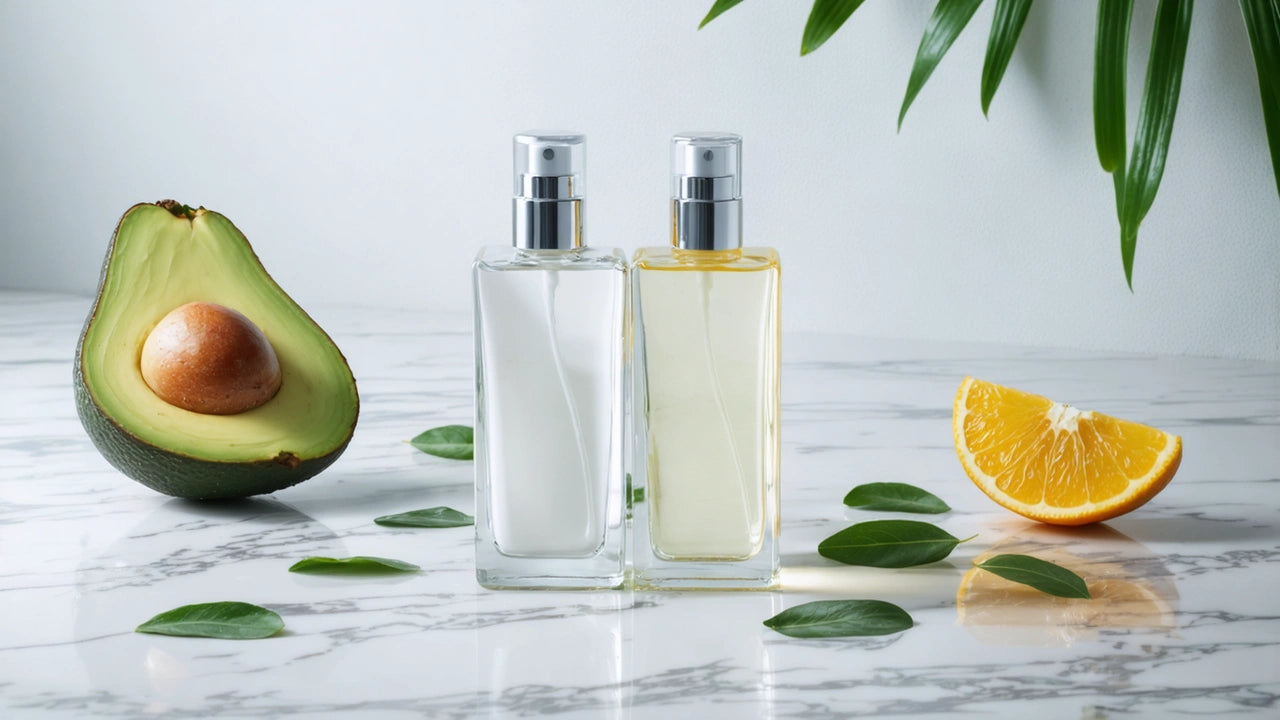
This is where formula texture beats the tinted-vs-untinted debate entirely. For sticky, sweaty Indian summers you want a lightweight, fast-absorbing base that won't slide off by noon. Our Ultra Light SPF 50+ sunscreen is a no-cast SPF 50+ built for oily, humid Indian skin, powered by avocado with vitamins C and E — antioxidants that help defend against pollution-driven free radicals while keeping the finish featherlight. Pair it with a mattifying base underneath for extra staying power on oily days.

A featherweight moisturiser like the Ultra Light Gel Moisturizer with 2% niacinamide hydrates without heaviness, so your SPF layers on smoothly instead of pilling. Want your glow to survive the day? Our guide to a sweat-proof skincare routine helps keep SPF and radiance intact through humid, sweaty days.
| Feature | Tinted Sunscreen | Regular (Untinted) SPF |
|---|---|---|
| White cast risk | Very low — tint neutralises it | Possible with mineral filters |
| Coverage | Sheer, evens tone | None — colourless |
| Visible-light defence | Extra (iron oxides) | UV only |
| Best under makeup | Can double as base | Truly invisible primer |
| Ideal for | Pigmentation-prone, deeper tones | Layering, no-colour lovers |
Which Sunscreen Should You Pick for Your Skin?
Choose tinted if…
- White cast is your nemesis — the tint is basically insurance against ashiness on medium-to-deep skin.
- You deal with melasma, tanning or uneven tone and want that bonus visible-light shield from iron oxides.
- You love a minimal routine — one product that protects and evens tone means fewer layers in the heat.
Choose regular if…
- You wear your own foundation or full makeup and want a colourless base underneath.
- You reapply through the day and don't want to worry about matching a tint to shifting skin tone after tanning.
- You just want straightforward protection with zero colour commitment.
This flexible, skin-first thinking is the heart of The Quench Botanics Method: match the active and the finish to your actual skin and climate, not to a trend. Neither choice is "better" — they simply solve different problems.
How Do You Apply and Reapply Enough Sunscreen?
The two-finger rule
Under-applying is the single biggest reason SPF underdelivers, so measure generously. Dermatologists recommend the two-finger rule: squeeze sunscreen along the length of your index and middle fingers to get roughly the amount needed for your face and neck. Dot it across your forehead, cheeks, nose, chin and jaw, then press and smooth outward. Give it two to three minutes to set before makeup.
Reapply in humidity
Here's the tropical-India truth: SPF wears off with sweat, oil and touching your face, so one morning layer isn't enough. Reapply every two to three hours when you're outdoors, and more often on beach or poolside days. A powder or cushion SPF makes midday top-ups painless over makeup. And don't forget your lips — a Brightening Lip Balm SPF 60 keeps that easily-missed spot protected too. If you'd like the full backstory on why our SPF is tuned for local skin and weather, read K-Beauty Actives Made for Indian Skin.
Frequently Asked Questions About tinted sunscreen
What is tinted sunscreen?
Tinted sunscreen is a sun protection product infused with skin-toned pigments, usually iron oxides, that give it a sheer, complexion-matching colour. Beyond blocking UV rays, these pigments also help shield skin from visible light and blue light from screens and the sun, which regular sunscreens don't address. The tint neutralises the grey or white residue that mineral filters can leave, making it a favourite for medium to deep Indian skin tones. It offers light, natural-looking coverage while s
Is tinted sunscreen safe for acne-prone skin?
Yes, tinted sunscreen is generally safe for acne-prone skin as long as you choose a non-comedogenic, oil-free formula. Look for lightweight gel or fluid textures labelled non-comedogenic, and avoid heavy, pore-clogging oils or waxes. The iron oxides that provide the tint are inert and unlikely to trigger breakouts. If your skin is sensitive or reactive, mineral-based tinted sunscreens with zinc oxide can be soothing. Always patch-test a new formula for a few days and remember to cleanse thorough
Can I use tinted sunscreen with vitamin C serum?
Yes, you can layer tinted sunscreen over vitamin C serum, and the two actually work beautifully together. Apply your vitamin C serum first on clean skin in the morning and let it fully absorb for a minute or two. Then follow with moisturiser if needed, and finish with tinted sunscreen as your last step. Vitamin C fights free radicals and brightens, while sunscreen blocks the UV rays that break vitamin C down, so pairing them boosts overall daytime protection. This combination is especially helpf
How long does it take to see results from wearing sunscreen daily?
Sunscreen protects your skin from day one, but visible results like brighter, more even tone typically take 4 to 12 weeks of consistent daily use. In the short term, it prevents fresh sunburn and stops UV rays from worsening existing pigmentation and dark spots. Over a few months, you'll notice fewer new spots and a more even complexion as old damage isn't being added to. Long-term, daily sunscreen is the single most effective step for preventing premature ageing, fine lines and hyperpigmentatio
What are the benefits of tinted sunscreen for Indian skin tones?
Tinted sunscreen offers Indian skin tones a no-white-cast finish, since its pigments blend into medium and deep complexions instead of leaving a grey or ashy residue. It also protects against visible and blue light, which can worsen the melanin-driven pigmentation and tanning that Indian skin is prone to. The sheer tint evens out redness and dark spots, giving a natural glow that often replaces the need for foundation on low-key days. It simplifies your morning routine into fewer steps while sti
Shop Quench Botanics
Ready to ditch the ashy cast for good? Meet your everyday hero: the Ultra Light SPF 50+ PA++++ sunscreen — a lightweight, no-cast SPF 50 tinted sunscreen with avocado vitamins C and E, made for oily, humid Indian days. Slick it on after your serum, follow the two-finger rule, and top up through the day. Your future, glowing, sun-smart skin says thank you.