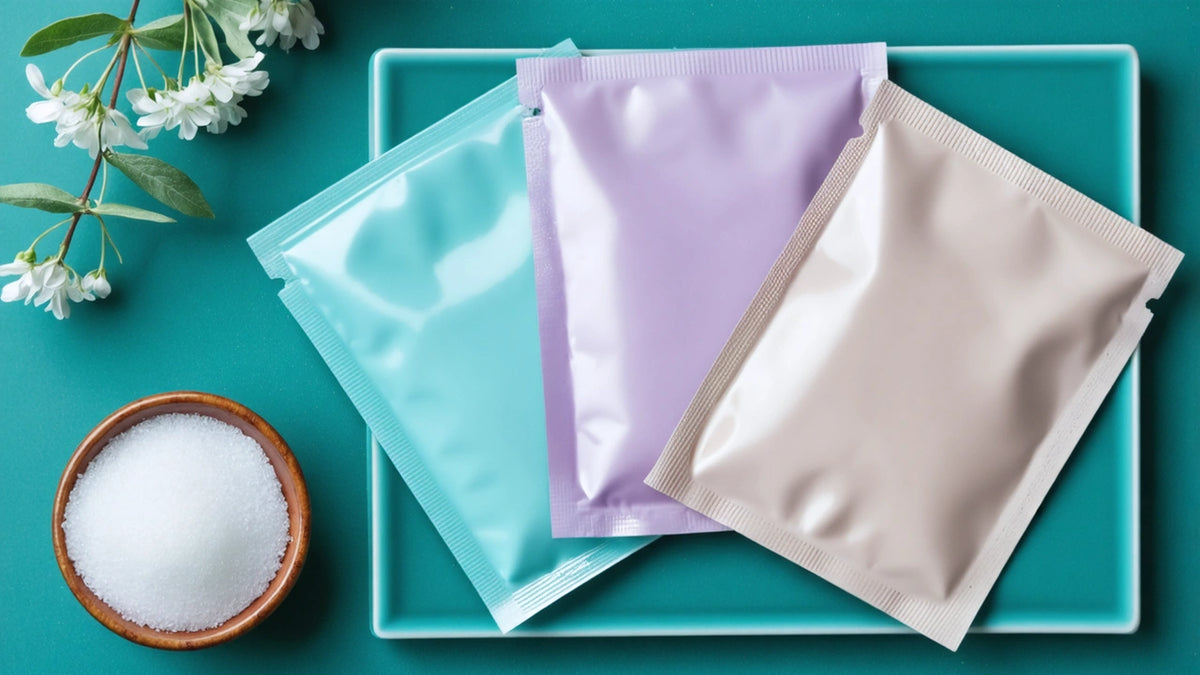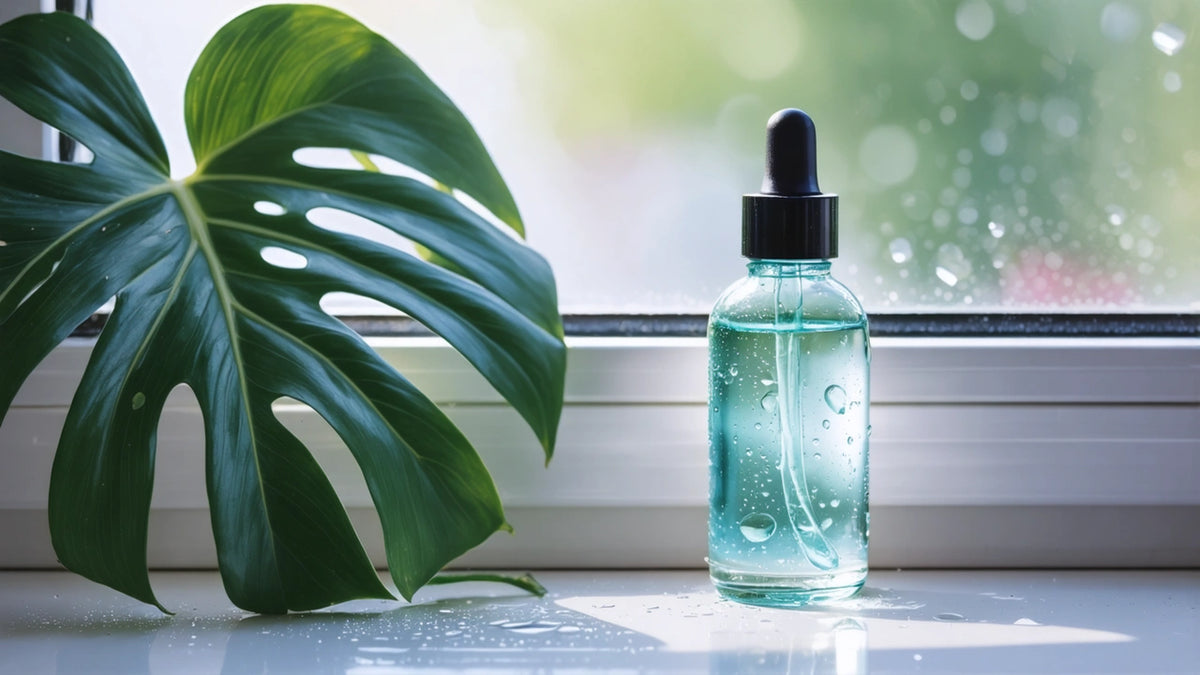

A skin flooding routine is a hydration method where you layer watery products on damp skin, one after another, then seal everything in with a moisturizer. Think of it as giving thirsty skin a few small sips instead of one big gulp. It went viral for that bouncy, dewy look, and it can work really well in India once you adjust it for your weather. A sticky Mumbai monsoon and an AC-cold Delhi winter call for very different amounts of layering, so let's find your version.
Quick Answer: What Is a Skin Flooding Routine?
Skin flooding is layering watery hydrators on damp skin — mist, serum, mist — then sealing with moisturizer to hold the hydration in. Each layer goes on while the last is still slightly wet, so humectants like hyaluronic acid have water to hold. In humid Indian weather, two layers are often enough; drier, AC-cooled skin may enjoy all four.
- Mist on damp skin: After cleansing, spritz a Cherry Blossom mist toner while your face is still a little wet.
- Serum: Press in a hydrating serum such as snail mucin with hyaluronic acid.
- Second mist: A light spritz so the serum has a little extra water to grab.
- Seal: Finish with a moisturizer so the hydration stays put.
Why Did Skin Flooding Go Viral (and Where Does It Need an Indian Edit)?
Honestly? It's simple, it feels lovely, and the dewy "just drank eight glasses of water" finish looks great on camera. Here's the idea behind it. Humectants like hyaluronic acid are generally understood to attract and hold water. Put them on damp skin and they have water right there to hold onto. A moisturizer on top then helps slow down how fast that water evaporates.
Still confused about which hydrator does what? Our hyaluronic acid vs snail mucin breakdown for Indian skin explains it in plain language.
Humidity changes the maths
Many Indian skin tones fall in the Fitzpatrick III–V range, and plenty of us have oily or combination skin that feels heavy fast in humid, tropical weather. When the air is already damp, four wet layers under a sweaty commute can feel like wearing a raincoat on your face. In coastal cities and during the monsoon, a shorter routine usually feels better.
AC and winter dryness
Office AC, long flights and North Indian winters all pull moisture out of the air. Your skin can end up tight, flaky or dull even if it's oily by nature. This is where the full flood is worth it.
How Do You Do the 4-Step Skin Flooding Routine?
Golden rule: keep less than a minute between layers so your skin never fully dries.
Damp skin and mist
Step 1: Mist on damp skin. Cleanse gently, pat your face so it's still a little damp, then spritz the Cherry Blossom mist from arm's length. Don't towel it off.
Snail mucin serum
Step 2: Press in serum. Warm two or three drops of the 96% Snail Mucin Collagen Boost Serum between your palms and press it into your skin rather than rubbing. It also contains niacinamide and hyaluronic acid, which is why it's a good fit for snail mucin layering. Want to test it first? The mini is perfect for a patch test or your travel bag.

Curious how the two hydrators compare? Here's our guide to snail mucin vs hyaluronic acid.
Second mist
Step 3: Mist again. One or two light spritzes while the serum is still tacky. This gives the serum's humectants a little more water to hold.
Seal it in
Step 4: Seal. Smooth on the 92% Snail Mucin Collagen Boost Moisturizer to lock the layers in. In the morning, finish with sunscreen. Our snail mucin moisturizer guide for Indian skin covers how much to use and when.
Which Skin Flooding Routine Suits Your Skin Type?
| Skin and weather | Layers | Seal |
|---|---|---|
| Oily, humid or monsoon | Mist and serum | Thin, gel-light layer |
| Dry, AC or North Indian winter | Mist, serum, mist | Full layer of moisturizer |
| Acne-prone or sensitive | Start with two | Light, patch-tested |
Oily and humid: stop at two
Skin flooding for oily skin works best when you keep it short. Mist, serum, then a pea-sized amount of moisturizer spread thin. If you still feel slick by lunchtime, try the moisturizer only at night.
Dry and AC-dry: full four
A dehydrated skin routine can use every step, especially at night. If hard water or long AC hours leave you extra tight, add the second mist and a slightly thicker seal.
Acne-prone and sensitive
Patch-test every new product on your inner arm or jawline first. Then add one new product at a time. Don't stack new actives in the same routine. The snail serum already has niacinamide, so skip a second niacinamide serum on the same night. Our niacinamide and hyaluronic acid layering order explains how to fit them together.
Skin flooding is a hydration method, not a fix for breakouts. Everyone's skin responds differently, so watch how yours reacts and adjust.
Frequently Asked Questions About skin flooding routine
What is skin flooding?
Skin flooding is a hydration technique where you layer water-rich skincare onto damp skin, then seal it in with a moisturiser. The aim is to give your skin barrier a big drink of water and slow its evaporation. Think of it as a quick, bouncy hydration boost rather than a complicated ritual. It usually uses a hydrating toner or essence, a humectant serum, and a moisturiser, often done at night. It suits most skin types when you adjust textures and keep the layers light.
Is skin flooding good for oily skin?
Yes, skin flooding can be good for oily skin when you choose lightweight, gel-type textures. Oily skin can still be dehydrated, and missing water often makes skin produce more shine. Pick a watery toner, a non-sticky serum, and a gel moisturiser instead of heavy creams. Skip rich oils or thick balms on top. If your skin feels tacky or breakouts increase, cut back a layer and apply products more thinly. Patch test new products first, especially if your skin is acne-prone.
How many layers should skin flooding have?
Most people do well with three to four layers: a hydrating toner or essence, a humectant serum, a moisturiser, and optionally a light seal. More is not always better. Piling on too many products can cause pilling, stickiness, or irritation, especially if your skin is sensitive. Start with three layers and add one only if your skin still feels tight after a few days. Always apply each layer while skin is still slightly damp, and let it settle for a few seconds in between.
Can you do skin flooding in humid weather?
Yes, you can do skin flooding in humid weather, but keep it lighter and simpler. In humid conditions, heavy layering can feel sticky and may trap sweat. Use a watery toner, a thin serum, and a gel moisturiser, and skip any rich seal. Do it at night, when you are in air-conditioning or a cooler room, so the products absorb comfortably. Humectants work best when your skin is not left bare, so always finish with a moisturiser rather than stopping at serum.
Shop Quench Botanics
Try it tonight! Mist, snail serum, mist, then seal with the 92% Snail Mucin Collagen Boost Moisturizer with Niacinamide & Hyaluronic Acid. That serum-and-moisturizer pair is an easy start for a dewy, comfy glow, whether you're dealing with humid streets or an AC-cold office.