
If your skin feels dull, congested and a little "blah" after the rains, here's the quick answer: a good post-monsoon skin recovery routine is all about gentle cleansing, calming with cica and ceramides, brightening slowly, and locking in lightweight hydration with daily SPF. A post-monsoon skin recovery routine is a simple, phased skincare plan that repairs your skin's protective barrier and lifts monsoon dullness, so you walk into festive season glowing and comfortable. No harsh scrubbing, no ten-step overload — just kind, consistent steps your skin will happily soak up. Before we dive in, if you're still mid-rains, our monsoon skincare survival guide is the perfect prequel to this recovery plan.
What Does Monsoon Actually Do to Your Skin?
The rains feel dreamy, but for your skin they're a bit of a workout. Constant humidity, trapped sweat, city pollution and unpredictable sun all mingle to leave your face feeling heavier, patchier and duller than usual. The good news? None of this is permanent, and a focused few weeks of care can bring back that fresh, bouncy feeling.
Congestion and Dullness
When the air is thick with moisture, sweat and sebum sit on the skin longer, mixing with pollution particles and slowing your natural cell turnover. The result is what many of us call dull congested skin — clogged-feeling pores, tiny bumps and a complexion that looks tired even after a full night's sleep. It's not "bad" skin; it's simply skin that's been through a humid, sticky season and needs a gentle reset.
A Stressed Barrier
Your skin barrier is the outermost layer that holds moisture in and keeps irritants out — think of it as your skin's raincoat. Between over-cleansing to feel "less sticky" and swinging between humid days and air-conditioned rooms, this barrier often ends up frazzled by season's end. A weakened barrier can look flaky in some spots and oily in others, and feel tight or reactive. This is completely common for Indian skin tones (Fitzpatrick III–V), which can flare with visible dullness and uneven patches after a stressful, humid stretch — and it's exactly what our recovery routine is designed to soothe.
Step 1: How Do You Reset Skin Without Over-Stripping It?
The first instinct post-monsoon is to scrub everything away. Resist it! A stressed barrier needs kindness, not a deep clean bootcamp. The goal of this step is to remove buildup gently so the rest of your routine can actually work.
Soft, Non-Stripping Cleansing
Swap any squeaky-tight, high-foam face wash for something that cleans without leaving your skin feeling parched. Our Gentle Cleansing Gel Face Wash uses birch juice and mild enzymes to lift away sweat, sunscreen and pollution while keeping your barrier comfortable. Cosmetic scientists note that low-pH, sulphate-light cleansers help preserve the skin's natural acid mantle — the slightly acidic film that keeps your barrier resilient. Cleanse morning and night, using lukewarm (never hot) water and light fingertip circles.
Easing Off Harsh Actives
If you spent the monsoon layering strong exfoliating acids or high-percentage actives to fight stickiness, dial them back now. Give your skin a week or two of calm before reintroducing anything intense. Rice water is a lovely middle ground here — it's naturally gentle, packed with skin-loving amino acids, and eases you toward a rice water brightening routine without the sting. Think of Step 1 as clearing the runway before the real rebuilding begins.
Step 2: How Do Cica and Ceramides Strengthen Your Barrier?
Once you've reset, it's time to rebuild — and this is where the magic really happens for barrier repair after monsoon. Cica and barrier-supporting ingredients help your skin feel calmer, less reactive and more "held together" again.
Soothing Redness and Reactivity
Cica has earned its cult status for good reason. Research published in the journal Molecules highlighted that Centella asiatica compounds support skin soothing and comfort, which is exactly what a post-monsoon barrier craves. Our Dark Spot Correcting Ampoule with Cica Herb Repair pairs cica's calming touch with tone-evening actives, so as your skin settles, those lingering monsoon marks and uneven patches gradually look softer too. Apply a few drops after cleansing, patting gently into skin.
Barrier Comfort That Lasts
Dermatologists recommend supporting the barrier with ingredients that mimic what your skin already makes — like ceramides and fatty-acid-rich creams — rather than piling on strong actives when skin is stressed. This is the heart of cica barrier care: soothe first, then nourish. Reach for a lightweight nourishing cream to seal in comfort without heaviness — perfect for humidity that hasn't fully packed its bags yet.

Our Ultra Light Nourishing Face and Body Cream with Avocado Vitamins C & E gives your barrier the fatty acids and antioxidant support it loves, in a texture that sinks in fast — no greasy film, no clogged feeling. This is what we call The Quench Botanics Method: repair before you polish, and always tune your actives to Indian climate reality.
Step 3: How Do You Brighten Dull Skin Gently?
Now that your skin feels calmer, you can gently coax back that lit-from-within look. The key word is gently — brightening after a stressed season should feel like a slow sunrise, not a spotlight.
The Rice Water Glow
Rice water has been a beauty ritual across Asia for generations, and for good reason. It's rich in amino acids, vitamins and minerals that support a smoother, brighter-looking complexion over time. Weaving in a rice water brightening routine is one of the kindest ways to lift monsoon dullness without irritating skin that's still finding its feet. If you want the full breakdown, our guide to the rice water brightening ritual explains exactly how to fit it in.
Slow and Steady Wins
Here's the honest bit: brightening takes patience. No ingredient will flip your skin from dull to glowing overnight, and anyone promising that is fibbing. Consistency over four to six weeks is what shifts dullness and evens tone gradually. Keep expectations realistic, layer your brightening steps lightly, and let cica keep soothing in the background. Your festive glow is a marathon, not a sprint — and it's absolutely achievable.
Step 4: Why Do Lightweight Hydration and SPF Matter Most?
You can cleanse, calm and brighten perfectly, but skip hydration and sun protection and your barrier will keep struggling. These two steps are the quiet heroes of any post-monsoon skin recovery routine.
The Snail Mucin Hydration Layer
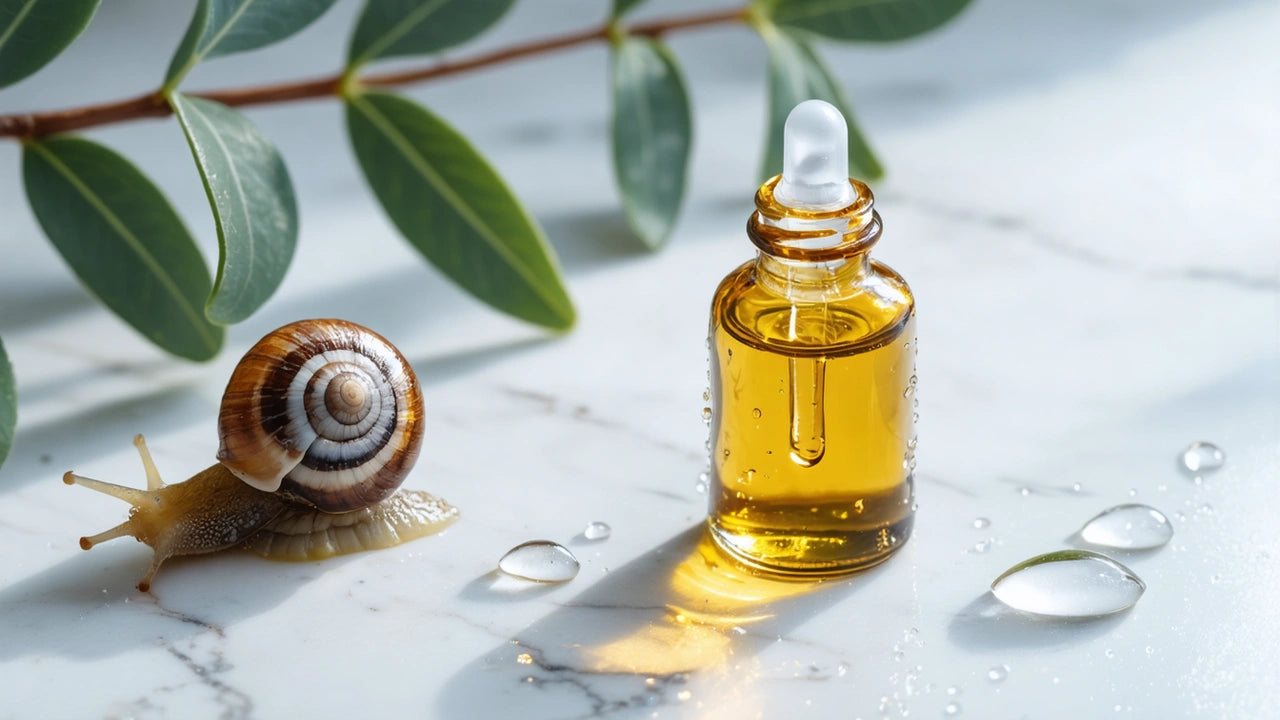
Snail mucin is a superstar humectant — it draws moisture into the skin and supports a plump, bouncy feel without heaviness. Our 96% Snail Mucin Collagen Boost Serum is recommended for lightweight, barrier-friendly hydration, blending snail secretion filtrate with niacinamide and hyaluronic acid. It's ideal for the leftover humidity of early festive season because it hydrates deeply while feeling like nothing at all. Curious how it works? Our honest glass-skin snail mucin guide breaks it all down.
Daily Sun Protection, Non-Negotiable
Post-monsoon sun can be sneaky-strong, and UV exposure is one of the biggest drivers of uneven tone and dullness. A lightweight daily SPF protects all your recovery hard work.

Our Ultra Light SPF 50+ PA++++ Sunscreen with Avocado Vitamins C & E is designed for humid Indian weather — high protection, no white cast, no greasy slide. Apply generously every morning as your final daytime step, and reapply through the day when you're out and about.
What Does a 2-Week Recovery Schedule Look Like?
Ready to make it practical? Here's a gentle timeline to guide your skin from post-rain fatigue to festive-ready glow. Adjust to how your skin feels — recovery isn't a race.
| Phase | Focus | What to do |
|---|---|---|
| Week 1 | Reset & calm | Gentle cleanse AM/PM, pause harsh actives, layer cica and lightweight cream, daily SPF. |
| Week 2 | Brighten & glow | Continue cica + hydration, introduce rice water brightening, add snail mucin serum, keep SPF non-negotiable. |
Week 1: The Reset
Spend the first week purely calming your barrier. Cleanse gently, soothe with cica, seal with a light cream and protect with SPF. Notice how the tightness and reactivity fade before you add anything active — this patience pays off.
Week 2: The Glow-Up
Once skin feels comfortable, start gently brightening. Add your rice water step and snail mucin serum, keeping everything lightweight. By the end of two weeks, expect skin that looks fresher, feels bouncier and is far more festive-photo ready — glowing on your terms, at your pace.
Frequently Asked Questions About post-monsoon skin recovery routine India
What is a post-monsoon skin recovery routine?
A post-monsoon skin recovery routine is a gentle skincare reset designed to repair your skin barrier after the humidity, sweat and pollution of the rainy season in India. It focuses on non-stripping cleansing, barrier-strengthening ingredients like cica and ceramides, gentle brightening to lift dullness, and lightweight hydration paired with daily SPF. The goal is to calm inflammation, reduce breakouts and even out patchy tone so your skin looks healthy and glowing just in time for the festive s
Is cica safe for acne-prone skin during post-monsoon recovery?
Yes, cica (Centella Asiatica) is safe and genuinely beneficial for acne-prone skin during post-monsoon recovery. It's a gentle, non-comedogenic ingredient that soothes inflammation, calms redness and helps heal the small breakouts and irritation that often flare up after humid weather. Cica also supports your skin barrier without clogging pores, which is key when your skin is congested from monsoon sweat and pollution. For best results, layer it over clean skin and follow with a lightweight mois
How long does it take to see results from a barrier repair routine?
Most people see visible results from a barrier repair routine within 2 to 4 weeks of consistent use. In the first week, skin usually feels calmer, less tight and less reactive. By weeks two and three, you'll notice reduced redness, fewer breakouts and a smoother texture as ceramides and cica rebuild your protective layer. Full recovery — including brighter, more even tone — typically settles in around the four-week mark. Consistency matters more than intensity, so stick to gentle products daily
What is the difference between ceramides and hyaluronic acid?
The main difference is that ceramides repair your skin barrier while hyaluronic acid hydrates it. Ceramides are lipids that naturally live in your skin and act like the 'mortar' holding cells together, locking moisture in and keeping irritants out — perfect for repairing barrier damage after monsoon. Hyaluronic acid is a humectant that attracts and holds water, giving skin instant plumpness and dewiness but not sealing it in. They work beautifully together: apply hyaluronic acid first to draw in
Can I use vitamin C with cica in the same routine?
Yes, you can absolutely use vitamin C with cica in the same routine, and they make a great pair for post-monsoon skin. Apply your vitamin C serum first in the morning to brighten dullness and fight pollution damage, then follow with cica to soothe any sensitivity and reinforce your barrier. Cica helps buffer the mild tingle some people feel from vitamin C, making it gentler overall. If your skin is very reactive, start by using vitamin C every other morning and build up slowly. Always finish wit
Shop Quench Botanics
Ready to rebuild and glow into festive season? Start your barrier reset with our barrier-loving 96% Snail Mucin Collagen Boost Serum mini for lightweight, humidity-friendly hydration that calms and plumps. Pair it with cica for soothing and daily SPF for protection, and let your skin recover at its own happy pace. Here's to soft, comfortable, festive-ready glow — no scrubbing required.