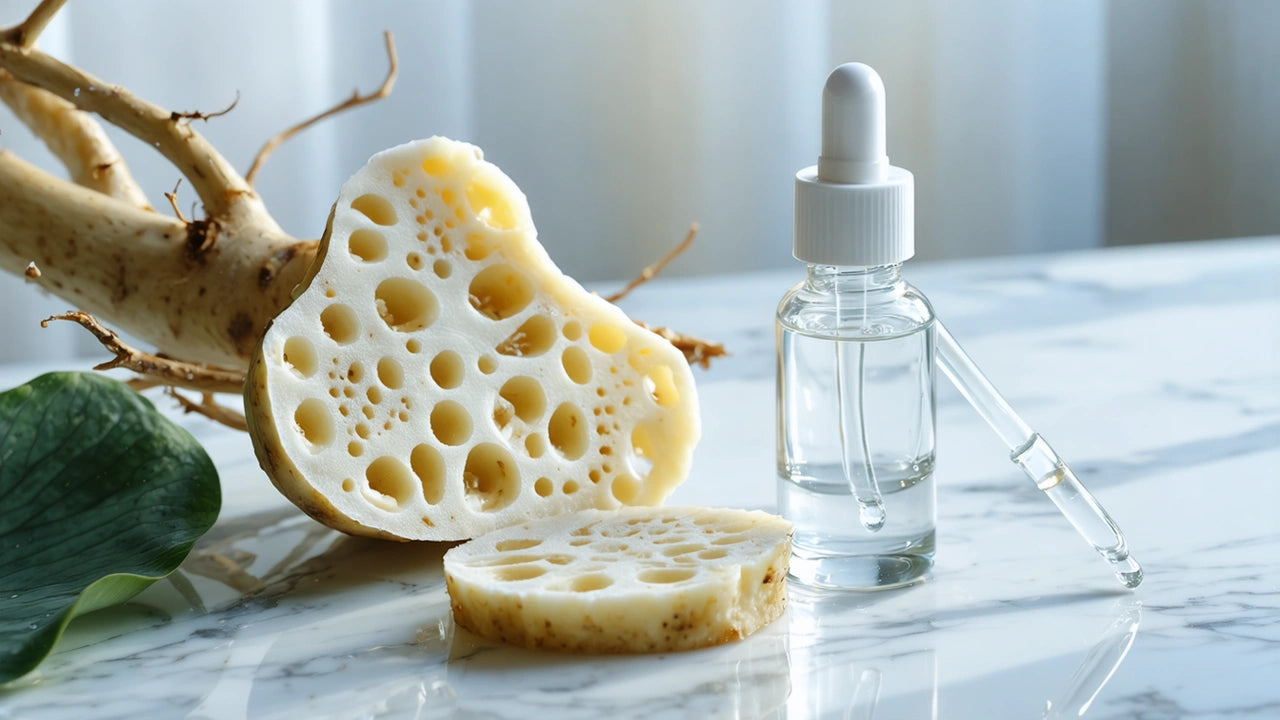

The lightest moisturizer for monsoon humid skin is a gel or water-gel formula powered by humectants like hyaluronic acid that pulls hydration into your skin and absorbs in seconds without leaving a sticky film. A gel moisturizer is a water-based, fast-absorbing hydrator designed to deliver moisture without the heavy oils or waxes that feel suffocating in sticky weather. If your skin turns slick and shiny the moment the rains roll in, you don't need to skip moisturiser — you need a lighter one that works with the humidity instead of fighting it. Think weightless hydration that disappears into the skin and leaves it fresh, balanced, and quietly glowing.
Why Does Humid Monsoon Skin Still Need Moisture?
It feels counterintuitive to moisturise when your face already feels damp by mid-morning, but humidity in the air isn't the same as hydration in your skin. The water vapour around you doesn't actually penetrate your skin barrier — and many monsoon staples like clay masks, frequent cleansing, and oil-control products can leave your skin parched underneath that surface shine. Dermatologists recommend continuing to moisturise year-round precisely because a dehydrated barrier behaves erratically, no matter how wet the weather feels. For our early skimmers: yes, you absolutely still need moisture in the monsoon — just lighter, smarter moisture. If you want a deeper humid-weather reset, our breathable K-beauty layering routine for Mumbai humidity walks through it step by step.
The Dehydration-Oiliness Loop
Here's the cycle that catches so many oily-skinned readers: when skin senses it's dehydrated, it ramps up sebum production to compensate. More oil, more shine, more congestion — and the instinct is to strip it all away, which only deepens the dehydration. Breaking this loop means hydrating consistently with lightweight humectants so your skin stops over-producing oil to defend itself.
What 'Lightweight' Actually Means
Lightweight isn't about using less product — it's about texture and formulation. A truly light moisturiser uses water-binding humectants and minimal heavy occlusives, so it sinks in fast and leaves no greasy residue. The goal is hydration you can feel but not see.
What Makes a Moisturizer Monsoon-Light?
A monsoon-light moisturiser is defined by three things: a gel or water-gel texture, a humectant-forward formula, and a non-comedogenic, fast-absorbing finish. This is the foundation of what we call The Quench Botanics Method — matching texture to climate so your skin gets exactly the moisture it needs without the weight it doesn't.
Gel and Water-Gel Textures
The lightest moisturizer for monsoon humid skin is a gel or water-gel formula with humectants like hyaluronic acid that hydrates and absorbs fast without stickiness. These textures are mostly water-based, so they sink in quickly, leave no greasy film, and keep oily, congestion-prone skin feeling fresh and balanced in sticky tropical weather.
Humectants vs Occlusives
Humectants like hyaluronic acid and glycerin draw water into the skin, while occlusives like heavy butters and waxes seal it in by forming a film on top. In humid weather you want plenty of humectants and very few occlusives — your skin's natural surface plus the moist air already provides some sealing, so a thick occlusive layer just sits there feeling sticky.
Non-Comedogenic and Fast-Absorbing
For monsoon skin, especially acne-prone Indian skin in Fitzpatrick III–V tones that can scar or hyperpigment easily after breakouts, non-comedogenic matters. A study published in the Journal of Cosmetic Dermatology found that lightweight humectant-based hydrators improved skin barrier function in oily and combination skin without increasing pore-clogging or sebum-related congestion — strong evidence that the right light moisturiser supports oily skin rather than overwhelming it.
What Are the Best Lightweight Moisturizer Picks for Humid Days?
The best lightweight picks for humid days share one quality: they hydrate generously while feeling almost weightless. Here's where botanical actives like snail mucin, birch water, and matcha earn their place in a monsoon routine.
Snail Mucin Gel Hydration
Snail mucin (INCI: Snail Secretion Filtrate) is a gel-textured humectant naturally rich in glycoproteins, hyaluronic acid, and skin-repairing peptides — it hydrates, soothes, and supports barrier recovery without any oily heaviness. It's the ideal monsoon active because it delivers serious moisture in a slippery, fast-absorbing gel that suits oily skin beautifully. Our 96% Snail Mucin Collagen Boost Serum layers effortlessly under a light gel moisturiser, and if you've ever doubted whether snail mucin works for oily skin, our snail mucin for oily skin myth-buster clears it up.
Birch Water Gel Mask Refresh
Birch water is a clarifying, mineral-rich sap that hydrates while gently balancing excess oil — perfect as a refreshing gel-mask moment when monsoon skin feels congested. Pair birch water clarifying care like our Birch Please Skin Soothing Clarifying Serum with your gel hydration for skin that feels calm, clear, and cool to the touch.

Matcha for Oil Balance
Matcha green tea is loaded with antioxidant polyphenols (EGCG) that help calm inflammation and balance sebum — a quiet hero for shine-prone monsoon skin. A quick matcha sheet-mask or a sheet of rice water deep hydration gives skin a flood of lightweight moisture when humidity has left it feeling tight underneath the shine.

How Do You Layer Hydration Without Feeling Sticky?
You layer hydration without stickiness by going thin and patient — applying small amounts, pressing each layer in, and letting it absorb fully before the next. Stickiness usually comes from too much product piled on too fast, not from the products themselves.
Less Is More Layering
Start with a hydrating toner or essence, follow with a gel serum, then seal lightly with a gel moisturiser. Use a pea-sized amount at each step and pat — don't rub — so the formula settles into the skin instead of sitting on top. The right order matters too; our K-beauty routine order guide for India shows exactly how the layers stack.
Daytime vs Nighttime Amounts
During humid days, go minimal — a single thin layer of gel moisturiser under your SPF is plenty. At night, when skin repairs, you can apply slightly more or add a snail mucin layer for replenishment, since you won't be fighting daytime sweat and humidity.
| Routine Step | Daytime (Humid) | Nighttime |
|---|---|---|
| Toner/Essence | 1 thin pass | 1–2 passes |
| Gel Serum | Pea-sized | Pea-sized |
| Gel Moisturiser | Thin single layer | Slightly more |
| SPF | Two-finger amount | Skip |
What Are the Most Common Monsoon Hydration Mistakes?
The most common monsoon hydration mistakes are skipping moisturiser entirely and over-layering rich creams — two opposite errors that both leave skin worse off. Let's gently bust both.
Skipping Moisturiser Entirely
Going moisturiser-free because your skin feels oily is the fastest way to deepen the dehydration-oiliness loop. Skin reads the missing moisture as a signal to produce even more sebum, and you end up shinier than before. A light gel moisturiser is the fix, not the enemy.
Over-Layering Rich Creams
On the flip side, reaching for the same thick winter cream in July traps heat, sweat, and bacteria against the skin — a recipe for congestion and fungal flare-ups. If breakouts are already a worry, our monsoon reset routine with tea tree and matcha is a calming place to start. Cosmetic scientists note that texture should shift with the seasons — lighter formulas in humid months, richer ones in dry — to keep the barrier comfortable year-round. For the warmer pre-monsoon weeks, our lightweight moisturiser for Indian summer guide carries the same principle, and you can dig deeper into hyaluronic acid for humid climates if humectants intrigue you.
Frequently Asked Questions About lightest moisturizer for monsoon humid skin
What is the lightest moisturizer for monsoon humid skin?
The lightest moisturizer for monsoon humid skin is a water-based gel formula that absorbs instantly and leaves zero greasy residue. Look for ingredients like hyaluronic acid, aloe, green tea, or Centella that hydrate without occlusive oils or heavy butters. Gel-creams are ideal because they deliver water-binding moisture that humid air actually helps your skin hold onto, while feeling weightless and breathable. Avoid thick, balm-like creams during monsoon as they can trap sweat and sebum, leadin
Should oily skin moisturise in monsoon?
Yes, oily skin absolutely should moisturise in monsoon, despite the humidity making skin feel sticky. When oily skin is under-hydrated, it overcompensates by producing even more sebum, leading to clogged pores and breakouts. The trick is choosing the right texture: swap heavy creams for an oil-free gel moisturizer that hydrates the water layer of your skin without adding extra oil. This keeps your barrier balanced and signals your skin to slow down excess oil production. Skipping moisturiser ent
What is the difference between a gel moisturizer and a cream moisturizer?
The main difference is texture and base: gel moisturizers are water-based and lightweight, while cream moisturizers are oil-based and richer. Gels absorb quickly, feel cooling, and suit oily, combination, or humidity-prone skin because they hydrate without heaviness. Creams contain more emollients and occlusives, making them better for dry, mature, or winter-stressed skin that needs deeper nourishment and barrier protection. During monsoon, a gel is usually the smarter pick because it delivers h
How long does it take to see results from switching to a lightweight gel moisturizer?
You'll usually feel results from a lightweight gel moisturizer immediately, with visible skin improvements within two to four weeks of consistent use. The instant benefits are a non-greasy, comfortable, breathable finish and reduced midday shine. Over a few weeks, well-hydrated skin starts looking plumper, calmer, and less prone to humidity-triggered breakouts as your oil production rebalances. Skin renews itself roughly every 28 days, so give any new moisturiser at least one full cycle to judge
Can I use a gel moisturizer with sunscreen during monsoon?
Yes, you can and should layer a gel moisturizer with sunscreen during monsoon, even on cloudy, rainy days. Apply your lightweight gel first and let it absorb fully for about a minute, then follow with a broad-spectrum sunscreen as your final daytime step. Because the gel is water-based and fast-absorbing, it won't pill or feel heavy under SPF. UV rays penetrate clouds and humidity, so monsoon skies don't mean you can skip protection. This combo keeps skin hydrated, shielded, and shine-free witho
Shop Quench Botanics
Ready to feel hydrated, never heavy? Reach for our 92% Snail Mucin Collagen Boost Moisturizer with Niacinamide & Hyaluronic Acid — a gel-light formula that floods skin with weightless moisture, balances shine, and absorbs clean for that fresh K-glow finish all monsoon long. Pair it with your favourite gel serum and let your skin breathe. Discover lightweight, plant-powered hydration with Quench Botanics today.