
To use a pimple patch, stick it on clean, completely dry skin — no serum, no moisturiser, no sunscreen underneath — and leave it alone for 6–8 hours before peeling it off gently. A pimple patch is a small hydrocolloid sticker that sits over a surfaced spot, absorbs fluid, and gives the area a soft covering so your fingers stay off it. That's it. Most wasted patches come down to two habits: applying over damp skin, and peeling too early to "check".
How Do You Use a Pimple Patch in 4 Steps?
To use a pimple patch, cleanse and fully dry the area, apply the patch to bare skin with no serum underneath, leave it on for 6 to 8 hours, then peel it off gently and follow with moisturiser. Overnight wear is easiest, and pressing the edges down helps the patch stay put in humid weather.
-
Cleanse and dry completelyWash with a mild cleanser, then pat the area properly dry — not "mostly dry". Hydrocolloid needs a dry surface to grip, so give it a full minute after towelling off. If your face still feels cool and damp, the patch will slide before bedtime even ends.
Cleanse and dry completely
-
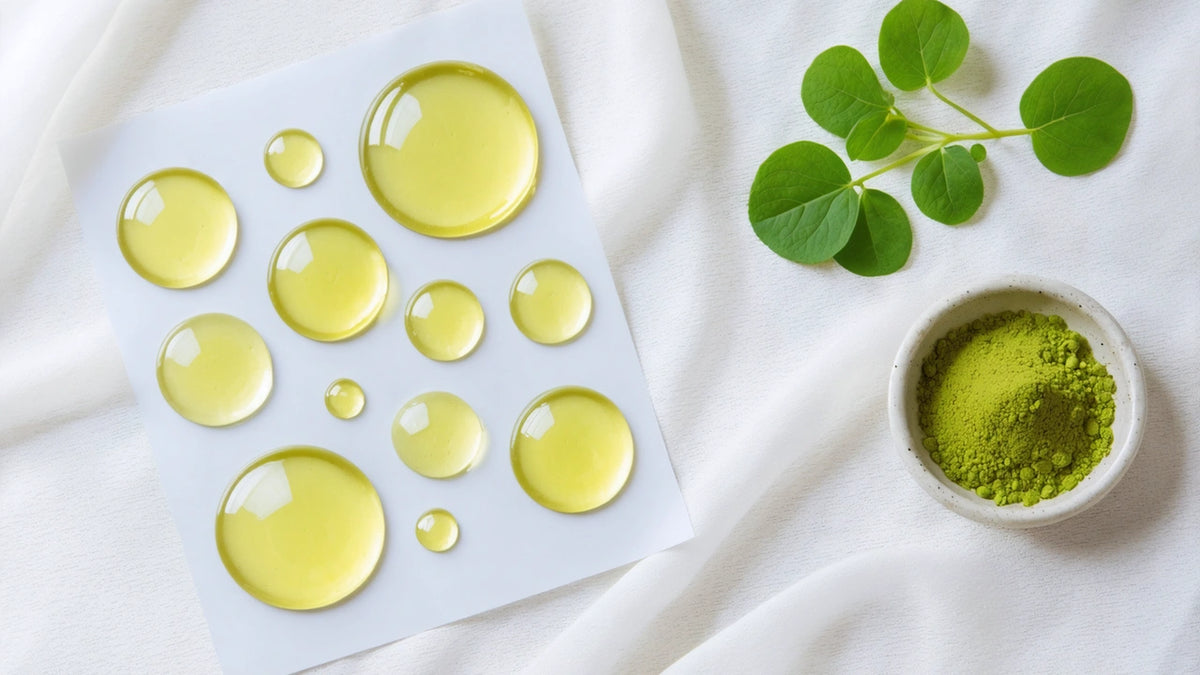
Apply to bare skin, no serum underneathDo your whole routine first, then leave the spot itself bare — or patch first and apply everything else around it. Serums, oils and moisturisers create a slippery film that stops the patch from sealing. Press the centre, then press the edges down in small circles so nothing lifts. Our Matcha Tea Clarifying Acne Patches are a lovely daily option here, while the Zit Away Treatment Patches with Cica Herb Repair suit skin that feels warm and reactive.
Apply to bare skin, no serum underneath
-
Leave it on 6–8 hoursThis is the step everyone rushes. Hydrocolloid dressings are designed to gradually draw in fluid, which is why a patch often turns cloudy or white in the middle — that's the material doing its job, not your skin "reacting". Peeling it off after two hours to inspect the spot resets the whole process and wastes the patch. Overnight is the simplest window.
Leave on 6-8 hours
-
Peel gently, then hydrateLift from one edge slowly, ideally in the shower steam or after splashing warm water, so you're not tugging fresh skin. Then moisturise the area. Skin under a patch can feel a little thirsty, and a hydrating layer keeps things comfortable while it settles.
Peel gently, then hydrate
If you want the same walkthrough with more beginner hand-holding, our guide to using pimple patches as a quick, low-drama spot fix covers the timing questions in more detail.
When Does a Patch Actually Help — And When Should You Wait?
A patch earns its keep on a spot that has already come to the surface. If the bump has a visible white head or has just been through a rough day, hydrocolloid gives it a clean, covered environment and — importantly — a physical barrier between the spot and your fingers.
Best on surfaced, oozing spots
Surfaced, slightly weepy spots are the sweet spot. The patch absorbs fluid, flattens the area visually, and keeps pillowcases and phone screens out of the equation. Many people also find the spot looks less angry simply because they stopped touching it.
Not for deep, painful bumps
If the bump is deep, hard and painful and hasn't surfaced, a patch has nothing to draw from — it'll just sit there. Blackheads and closed bumps are the same story. And if you're dealing with persistent, painful or widespread breakouts, that's a conversation for a dermatologist, not a sticker. Skincare can support how your skin feels; it isn't a substitute for professional care, and needing one doesn't mean you've done anything wrong.
Cica and matcha for a calmer feel
Cica — Centella asiatica, a herb long used in Asian skincare traditions — is popular in spot care because it feels soothing on skin that's warm, tight or freshly irritated. Matcha brings that antioxidant-rich green tea comfort. Between the two, pick Cica when your skin feels sensitive and matcha when it feels oily and congested. Our deeper dive into how to use Cica pimple patches the right way in India breaks down that choice further.

How Do You Make Pimple Patches Stick in Indian Humidity?
Here's where global patch guides fall apart. A patch that survives a dry winter in Seoul has a very different life in Chennai in May.
Sweat, sunscreen and slipping edges
Sweat and sunscreen are the two biggest patch-lifters. If you're applying during the day, put the patch on before sunscreen and work your SPF around it — never under it. Press the edges for a good ten seconds. In peak humidity, a patch applied to a slightly damp forehead will start curling within the hour, taking your money with it.
Daytime vs overnight wear
Overnight is the low-effort winner: you're still, cool and not touching your face. Daytime wear is fine too, especially if you work indoors with AC. If you're commuting through heat and traffic, save patches for the night shift and let your evening cleanse start the process.
Wearing under makeup
Thin, matte-finish patches can disappear under a light layer of makeup, but heavy foundation over a patch usually looks bumpier than the spot itself. If you have deeper Fitzpatrick III–V skin, translucent patches can still read slightly pale against your tone in daylight — so overnight wear tends to be the more invisible option, while daytime patches work best on bare or lightly tinted skin.
| Factor | Daytime wear | Overnight wear |
|---|---|---|
| Sticking power | Challenged by sweat and sunscreen | Excellent — still, cool skin |
| Wear time achieved | Often cut short | Easy 6–8 hours |
| Visibility | Noticeable on deeper skin tones | Nobody's looking |
| Best for | AC offices, WFH days | Everyone, always |
What Should You Do After the Patch to Keep Marks From Lingering?
Once the spot settles, a shadow or mark can hang around for a while — completely normal, and more visible on medium-to-deep Indian skin tones, where post-spot pigmentation tends to show up more readily. It fades gradually. Your job is mostly to not rush it.
Hydrate, don't strip
Resist the urge to scrub or pile on strong actives the moment the patch comes off. Freshly settled skin appreciates hydration and quiet. A humectant-rich serum layered under moisturiser is plenty — if you're curious why so many K-beauty routines lean on it, here's what snail mucin actually does for skin.
Gentle brightening later, not immediately
Give the area a few days, then bring in targeted care for the mark. A leave-on treatment like the Dark Spot Correcting Ampoule with Cica Herb Repair is a sensible follow-up step, applied consistently rather than aggressively. Marks fade on their own timeline — think weeks of gentle consistency, not a weekend.
Weekly pore-refining reset
Once a week, a kaolin-and-pink-clay mask helps keep congestion in check without the squeaky, over-cleansed feeling. Our Brightening Pink Clay Mask with Cherry Blossom Radiance is the one we reach for on humid weekends — and yes, apply it around a patch, never over one.

Frequently Asked Questions About how to use a pimple patch
How do you use a pimple patch correctly?
Cleanse and completely dry the area first, since patches only stick well on clean, oil-free skin. Pick a patch size that fully covers the blemish, press it down firmly for a few seconds, and leave it undisturbed for several hours or overnight. Avoid applying makeup or products over an active patch, and swap it out once it turns cloudy white, which means it has absorbed as much as it can.
Can pimple patches be used overnight?
Yes, pimple patches are actually designed for overnight wear since most work by drawing out fluid over several hours. Leaving one on while you sleep gives it enough uninterrupted time to fully absorb oil and gunk from the blemish. Just make sure your skin is clean and dry before bed, and check in the morning to see if it needs replacing with a fresh one.
Do pimple patches really work?
Yes, pimple patches genuinely work, but mainly on a specific type of blemish: pimples that have already come to a head or have a visible whitehead. The patch creates a moist barrier that helps draw out fluid and pus while protecting the spot from bacteria, dirt, and picking. They're less effective on deep, unpopped cystic bumps, where the issue lies beneath the skin's surface rather than on top of it.
Should you use a pimple patch on a pimple that hasn't popped yet?
You can, but results will be limited if the pimple hasn't come to a head, since there's no surface fluid for the patch to absorb yet. On unpopped or cystic bumps, a patch mainly acts as a protective cover to stop touching and picking rather than actively drawing anything out. It's often more useful to wait until the pimple develops a whitehead before applying a patch for the best absorbing effect.
Shop Quench Botanics
Keep a strip in your bag, one in your desk drawer, one by the bed — patches are most useful when they're within arm's reach. Start with the Matcha Tea Clarifying Acne Patches for everyday congestion, or reach for Cica when skin feels warm and touchy. Every label names its botanicals, and the formulas stay gentle and barrier-friendly — explore the full calm spot-care routine at Quench Botanics whenever you're ready.