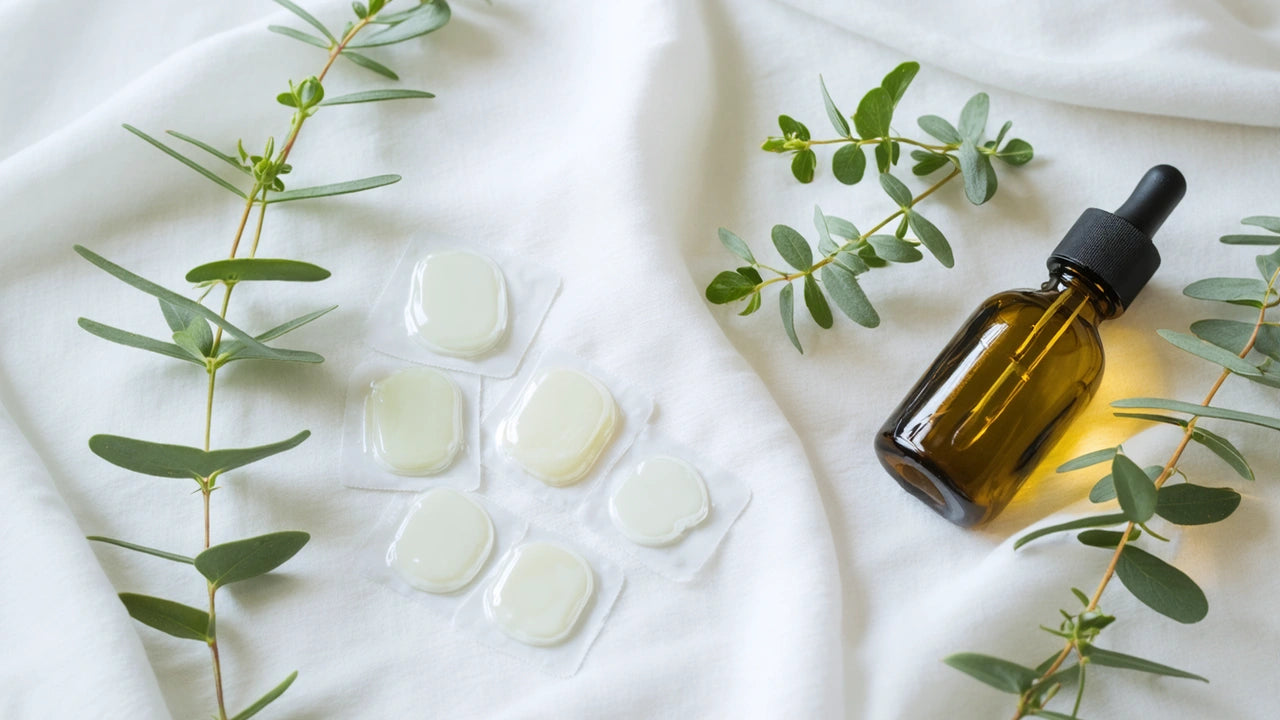

Yes — a pimple patch for acne in India really does work, but only on the right kind of spot. A pimple patch is a small, translucent hydrocolloid sticker that sits over a blemish and draws out fluid, pus and oil while protecting it from your fingers and the environment. Wondering whether they live up to the hype? They flatten surface whiteheads and oozing spots beautifully overnight, but they can't reach the deep, painful bumps that never come to a head. Think of a patch as a precise, overnight rescue tool — not a cure for your entire breakout. If you've been popping spots in frustration (we've all been there), a patch is the gentler, faster route to clear skin.
Do Pimple Patches Actually Work?
Here's the honest answer: pimple patches work brilliantly for the right spot and do almost nothing for the wrong one. The deciding factor is whether the blemish has fluid near the surface for the patch to absorb. If you can see a white or yellow head, a patch will likely flatten it by morning. If it's a deep, sore lump under the skin, a patch has nothing to draw out — and that's where targeted spot serums step in.
The hydrocolloid science
The magic ingredient is hydrocolloid — the same wound-healing material used in medical dressings for decades. When it meets the moisture from a blemish, it forms a gel that pulls fluid up and away, keeping the area in a protected, slightly moist environment that speeds skin repair. Research published in the Journal of Wound Care has long shown hydrocolloid dressings support faster, cleaner healing of superficial wounds — and a popped pimple is essentially a tiny open wound. Dermatologists recommend patches partly because that physical barrier stops you touching and re-infecting the spot.
What they can and can't fix
Patches excel at surface whiteheads, popped spots and oozing blemishes, where they visibly de-puff and absorb gunk overnight. They cannot dissolve blackheads, shrink hormonal cystic bumps or prevent new breakouts forming. For Indian skin tones in the Fitzpatrick III–V range, there's a bonus benefit: by stopping you from picking, patches help prevent the stubborn post-inflammatory hyperpigmentation (those dark marks) that our melanin-rich skin is especially prone to.
How to Use a Pimple Patch Step by Step
Applying a patch correctly is the difference between it working overnight and sliding off by 2am. Follow this simple routine — it takes under a minute.
Pimple patches work by using hydrocolloid to absorb fluid from a popped or surface whitehead, flattening it overnight; apply on clean, dry skin and leave 6-8 hours. Press the patch firmly over the spot before bed, let it draw out fluid as you sleep, then peel it off gently in the morning.
- Clean and dry skin — Wash your face with a gentle cleanser and pat the area completely dry. Hydrocolloid only adheres to bone-dry skin, so skip serums, oils and moisturiser on the exact spot you're patching — apply your other skincare around it first and let it fully absorb.
- Apply on a popped or oozing spot — Choose a patch slightly larger than the blemish. With clean fingers (or the tab, to keep it sterile), press it firmly over the spot and smooth down the edges for a good seal. Patches work best on raised whiteheads or spots that have already opened — this is where they have fluid to absorb.
- Leave overnight — Wear the patch for 6–8 hours, ideally while you sleep. You'll often see a cloudy white circle in the morning — that's the absorbed fluid, exactly what you want. Peel it off slowly, cleanse, and follow with your usual routine. Reapply a fresh patch if the spot still has fluid to draw out.

Our Zit Away Treatment Patches go a step further with Cica (Centella asiatica) infused into the hydrocolloid — so as the patch absorbs fluid, soothing madecassoside calms the angry redness around the spot. It's the Quench Botanics Method in action: never just absorb, always repair.
When Should You Use a Patch vs a Spot Treatment?
Knowing which tool to reach for saves you time and frustration. The simplest rule: patches handle what's on the surface, while liquid spot treatments and serums work on what's brewing underneath.
| Spot type | Best tool | Why |
|---|---|---|
| Popped or oozing whitehead | Hydrocolloid patch | Absorbs fluid, flattens overnight, stops picking |
| Raised surface whitehead | Hydrocolloid patch | Draws fluid to the surface as it comes to a head |
| Red, inflamed bump (no head) | Tea Tree / Birch Water serum | Calms inflammation and bacteria; patch has nothing to absorb |
| Deep, painful cyst | Targeted serum + patience | Sits too deep for a patch to reach; needs anti-inflammatory care |
Surface vs cystic acne
Surface acne — whiteheads and small pustules — lives in the upper layers of skin, which is exactly where a patch can do its job. Cystic acne forms deep in the dermis with no opening to the surface, so a patch simply sits on top doing nothing. Cosmetic scientists note that forcing a patch onto a sealed cyst can even trap heat and worsen inflammation. For those deeper bumps, lean on soothing, clarifying actives instead.
Pairing with Tea Tree and Birch Water
This is where botanical spot care shines between patch sessions. A Birch Please Skin Soothing Clarifying Serum uses birch water and centella to calm redness and clarify congestion on spots that aren't ready to patch. For ongoing oil balance on breakout-prone skin, our Clear Skin Serum with Matcha Green Tea delivers antioxidant matcha and oil-regulating support so fewer spots reach the patch stage at all. Tea tree oil (INCI: Melaleuca alternifolia leaf oil) is a well-studied antibacterial botanical — a classic K-beauty spot-care ally.
How Do Pimple Patches Hold Up During Monsoon Breakouts?
Monsoon humidity is prime breakout season across India — sweat, trapped oil and dampness clog pores and trigger flare-ups. The challenge? That same moisture is the enemy of patch adhesion. A patch that lifts at the edges loses its seal and its absorbing power.
Sweat and adhesion tips
Always apply patches to thoroughly cleansed, oil-free, dry skin — blot away any sweat or sunscreen first. Wear them overnight in an air-conditioned or fan-cooled room when you're less likely to perspire heavily. If you live in sticky coastal cities, our fungal acne monsoon prevention guide helps you prevent the breakouts that lead to patch use in the first place. And once a spot heals, treat any lingering marks with the steps in our dark spots after acne PIH guide.

Frequently Asked Questions About pimple patch for acne India do they work
What is a hydrocolloid pimple patch?
A hydrocolloid pimple patch is a small, adhesive sticker made from a moisture-absorbing gel material that draws out fluid and pus from a blemish while sealing it from dirt and bacteria. Originally used in wound care, hydrocolloid creates a moist healing environment that speeds recovery and flattens whiteheads faster. As it works, the patch often turns white or cloudy — that's the absorbed gunk. It also stops you from touching or picking the spot, which reduces scarring. Most patches are transluc
Can I wear makeup over a pimple patch?
Yes, you can wear makeup over a thin, translucent hydrocolloid pimple patch, though it works best under light coverage like a tinted moisturiser or a dab of concealer. For the smoothest finish, press the patch firmly onto clean, dry skin first, then gently pat makeup on top rather than rubbing, which can lift the edges. Thicker medicated patches with raised dots are harder to disguise, so save those for overnight use. Keep in mind that applying heavy foundation may reduce how well the patch abso
Are pimple patches safe for sensitive and acne-prone skin?
Pimple patches are generally safe for sensitive and acne-prone skin because most plain hydrocolloid patches are non-medicated, fragrance-free, and simply absorb fluid without harsh actives. They're often gentler than spot treatments containing high-strength salicylic acid or benzoyl peroxide, which can sting or dry out delicate skin. However, the adhesive may cause slight redness or irritation when peeled off, so remove patches slowly. If you have very reactive skin, choose patches without added
How long does it take for a pimple patch to work?
A pimple patch typically takes 6 to 8 hours to noticeably flatten a whitehead, which is why overnight wear delivers the best results. For a juicy, surfaced pimple with visible pus, you may see significant improvement after a single overnight application as the hydrocolloid absorbs fluid and reduces swelling. Deeper, under-the-skin spots take longer and may need two or three patch changes over a couple of days. Replace the patch once it turns white and saturated. Patches won't work on cystic or u
What is the difference between a pimple patch and a regular bandage?
The key difference is that a pimple patch is made from hydrocolloid gel that actively absorbs fluid and pus from a blemish, while a regular bandage simply covers the area without drawing anything out. Pimple patches create a moist, sealed environment that speeds healing and turns visibly white as they soak up gunk, whereas standard plasters use cotton padding that can stick to and irritate the spot. Patches are also thin, translucent, and discreet for daytime wear. Using an ordinary bandage on a
Shop Quench Botanics
Ready to flatten that spot overnight and stop the picking that leaves dark marks behind? Reach for Zit Away Treatment Patches with Cica Herb Repair — Cica-infused hydrocolloid that absorbs, soothes and protects in one gentle step. Keep a sheet on your bedside table for emergency breakouts, and let your skin heal calmer, clearer and faster the Quench Botanics way.