Glass Skin Routine for Indian Skin Type: K-Glow Without Congestion

If you want a glass skin routine for Indian skin type that delivers that dewy, lit-from-within K-glow without clogging your pores, the secret is layering lightweight hydration instead of piling on heavy creams. A glass skin routine is a structured, hydration-first K-beauty approach that builds smooth, translucent, reflective skin through gentle cleansing, humectant layering, and a non-greasy SPF finish. For oily and combination skin common across humid Indian climates, this works beautifully — you just swap rich balms for water-light gels and serums that hydrate without suffocating.
What Does Glass Skin Mean for Indian Skin Types?
The luminous look, defined
Glass skin is the K-beauty term for skin so smooth, plump, and even that it reflects light like a pane of glass — poreless-looking, dewy, and translucent. It isn't about being shiny or oily; it's about deep, consistent hydration sitting just beneath a healthy barrier. For Fitzpatrick III to V skin tones common in India, glass skin reads as a warm, healthy luminosity rather than a flat matte finish, which is exactly why hydration-led K-beauty suits Indian complexions so well. If you want the complete walkthrough, our 7-step glass skin routine at home breaks down every layer.
Why oily skin can achieve it too
To get glass skin for oily skin, double cleanse to clear excess oil, then layer water-light humectants like Hyaluronic Acid and Snail Mucin onto damp skin. Lock hydration with a gel moisturiser and finish with a lightweight SPF every morning. Avoid heavy occlusive creams — they trap oil and cause congestion. Consistency over weeks delivers the glow.
Oily skin often overproduces sebum precisely because it's dehydrated, so flooding it with the right humectants actually helps balance shine over time. Cosmetic scientists note that well-hydrated skin signals oil glands to slow down, meaning a hydration-first routine can leave oily skin less greasy, not more.
How Do You Build the Glass Skin Routine Step by Step?
Step 1: Cleanse and hydrate
Start with a gentle double cleanse — an oil-based or balm cleanser to melt SPF and sebum, followed by a low-pH water cleanser. This clears the canvas without stripping. If you're new to oil cleansing, our cleansing balm double-cleanse guide shows the K-beauty way. Then press in a hydrating toner on slightly damp skin to prep for layering.
Step 2: Snail Mucin and Hyaluronic Acid layering
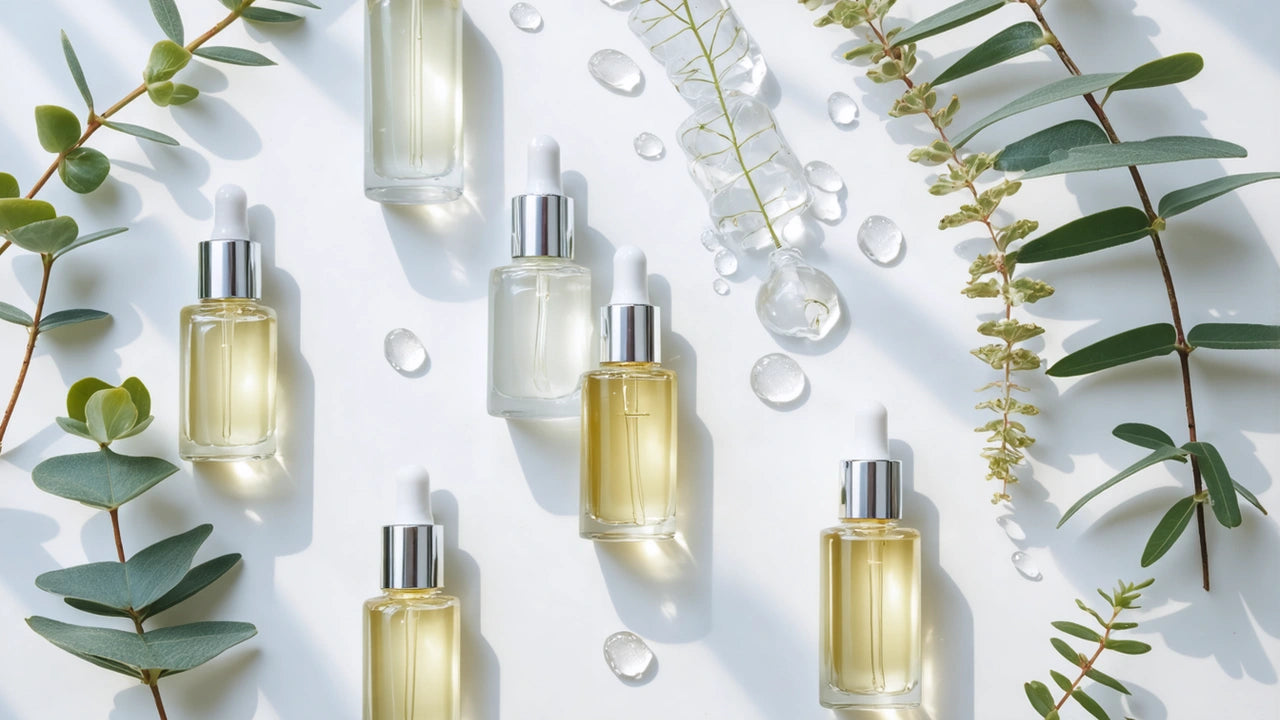
This is the heart of the glow. Snail Mucin (INCI: Snail Secretion Filtrate) is rich in glycoproteins and hyaluronic acid that bind water to the skin and support repair, giving that signature plump bounce. Pat it onto damp skin, then layer a Hyaluronic Acid step on top while skin is still slightly moist — hyaluronic acid layering works best on a wet surface so the humectant draws water inward rather than pulling it from your skin.

The 96% Snail Mucin Collagen Boost Serum is the hydration core of this routine, pairing snail secretion with niacinamide and hyaluronic acid for serious moisture without weight. Research published in the Journal of Cosmetic Dermatology found that snail secretion filtrate improved skin hydration and fine-line appearance over an eight-week period — a clear win for that glass-skin smoothness.
Step 3: Lightweight SPF lock
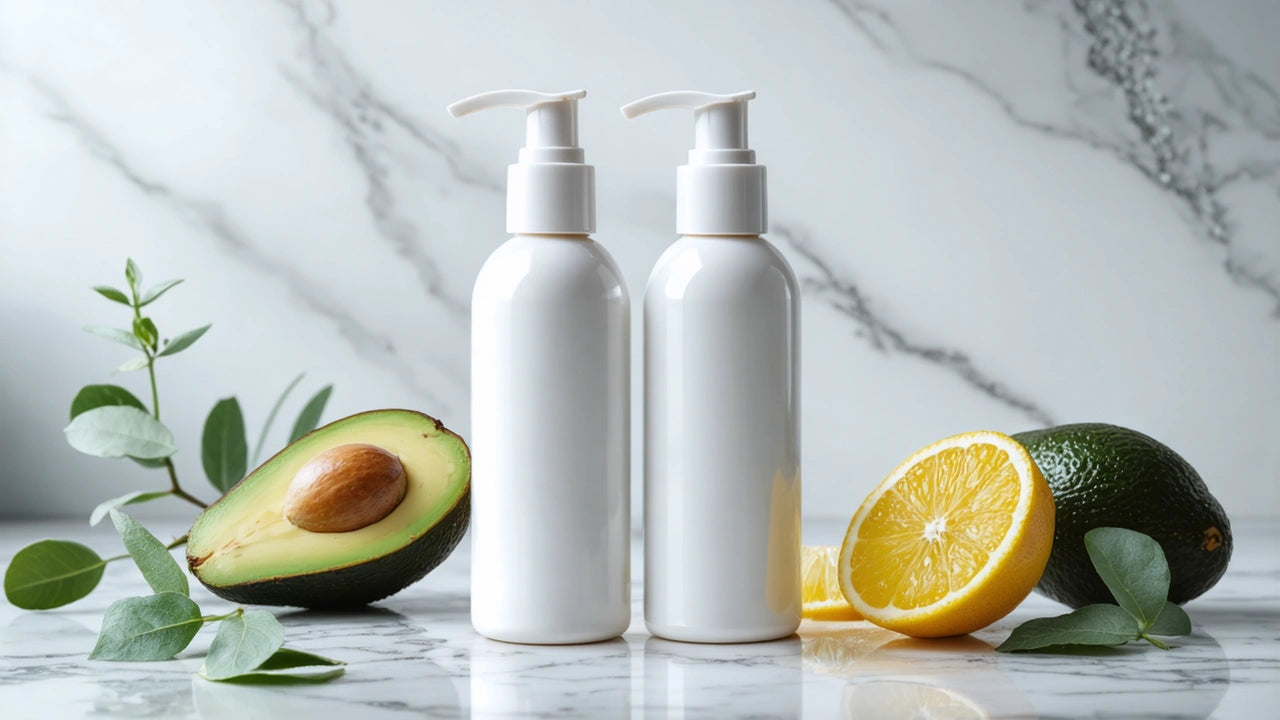
No glass skin survives without sun protection. Seal your morning routine with a fast-absorbing, non-greasy sunscreen. The Ultra Light SPF 50+ Sunscreen with Avocado is the perfect lightweight SPF lock-in step — broad-spectrum SPF 50+ PA++++ with avocado and vitamins C and E that absorbs without a white cast, ideal for deeper Indian skin tones in heat and humidity.
How Do You Avoid Congestion on Oily Skin?
Skip heavy occlusives
The biggest glass-skin mistake on oily skin is reaching for thick, waxy creams loaded with heavy butters or mineral oil. These occlusives sit on the surface, trap sebum, and trigger breakouts. This is the core of The Quench Botanics Method — hydrate generously, but choose textures that sink in and let skin breathe.

Gel textures win
Reach for gel-cream moisturisers and clarifying serums instead. A birch-juice clarifying serum soothes and balances oily, congestion-prone skin while still delivering hydration. Dermatologists recommend non-comedogenic, water-based formulas for acne-prone and oily skin types, especially in tropical climates where sweat and humidity already add surface moisture.
How Long Until You See Glass Skin Results?
Be patient — and realistic. You'll notice an immediate dewy bounce on day one from the hydration layering, but true, lasting glass skin builds over four to eight weeks of consistent twice-daily routine. Skin cell turnover takes roughly 28 days, so give your barrier a full cycle (or two) to plump, smooth, and even out. The glow compounds: the more consistent you are, the more reflective and resilient your skin becomes.
Frequently Asked Questions About glass skin routine for Indian skin type
Is glass skin achievable for acne-prone Indian skin?
Yes, glass skin is absolutely achievable for acne-prone Indian skin — the secret is building luminosity through lightweight hydration rather than heavy, pore-clogging layers. Focus on water-based humectants like hyaluronic acid and niacinamide, gentle non-stripping cleansers, and non-comedogenic moisturisers that hydrate without suffocating. Avoid thick occlusives and excessive face oils, which can trigger breakouts on reactive skin. Patch-test new actives and introduce them slowly to keep your
What ingredients should I look for in a glass skin routine?
For glass skin, look for hydrating humectants and barrier-supporting ingredients like hyaluronic acid, niacinamide, panthenol, glycerin, and ceramides. Hyaluronic acid plumps and holds water for that dewy bounce, while niacinamide refines pores and evens tone for a smoother surface. Ceramides and panthenol strengthen your skin barrier so moisture stays locked in. Brightening botanicals such as rice extract and green tea add radiance and calm. Gentle exfoliants like PHAs or lactic acid help smoot
What is the difference between glass skin and dewy skin?
Glass skin and dewy skin both look luminous, but they aren't the same — glass skin is about clarity and a poreless, see-through smoothness, while dewy skin focuses on a fresh, moist, slightly glistening finish. Glass skin requires even texture, refined pores, and deeply hydrated layers so light reflects uniformly, creating that translucent, almost glass-like effect. Dewy skin can be achieved more quickly using hydrating products or illuminating makeup for a wet-look sheen. Think of glass skin as
Can I follow a glass skin routine in humid Indian weather?
Yes, you can follow a glass skin routine in humid Indian weather — you simply need to adapt textures to stay lightweight and breathable. Swap rich creams for gel-based moisturisers, use water or essence layers instead of heavy oils, and always finish with a non-greasy sunscreen, since UV damage undoes glow. Humidity actually helps your skin retain hydration, so lean on humectants like hyaluronic acid that draw moisture from the air. Blot excess oil rather than over-cleansing, and keep exfoliatio
Shop Quench Botanics
Ready to build your own K-glow without the congestion? Start with the hydration hero — the 96% Snail Mucin Collagen Boost Serum — to flood thirsty, oily skin with weightless moisture and that signature glass-skin bounce. For the full layered approach tailored to deeper complexions, explore our glass skin for Indian skin tone K-glow guide and finish every morning protected with lightweight SPF. Your dewiest, healthiest skin is just a few layers away.