
If your sunscreen, makeup and city grime feel impossible to wash off with a regular face wash, a cleansing balm for Indian skin is the gentle first step you've been missing. A cleansing balm is a solid, oil-based cleanser that melts into a silky oil on contact with skin, dissolving SPF, makeup and pollution without stripping your moisture barrier. It's the cornerstone of the K-beauty double cleanse — and it's especially kind to Indian skin that battles heat, humidity and heavy sunscreen every single day. In this guide, we'll walk you through exactly how to use one, the right way.
What Is a Cleansing Balm and Why Does Indian Skin Need One?
A cleansing balm is a butter-textured, oil-based cleanser that liquefies on warm skin to gently break down anything oil-soluble — think sunscreen filters, foundation, blackhead-causing sebum and the fine layer of pollution that settles on your face after a day out. Because oil attracts oil, a balm lifts away these stubborn residues far more effectively than a foaming wash alone, all without disrupting your skin's natural lipids.
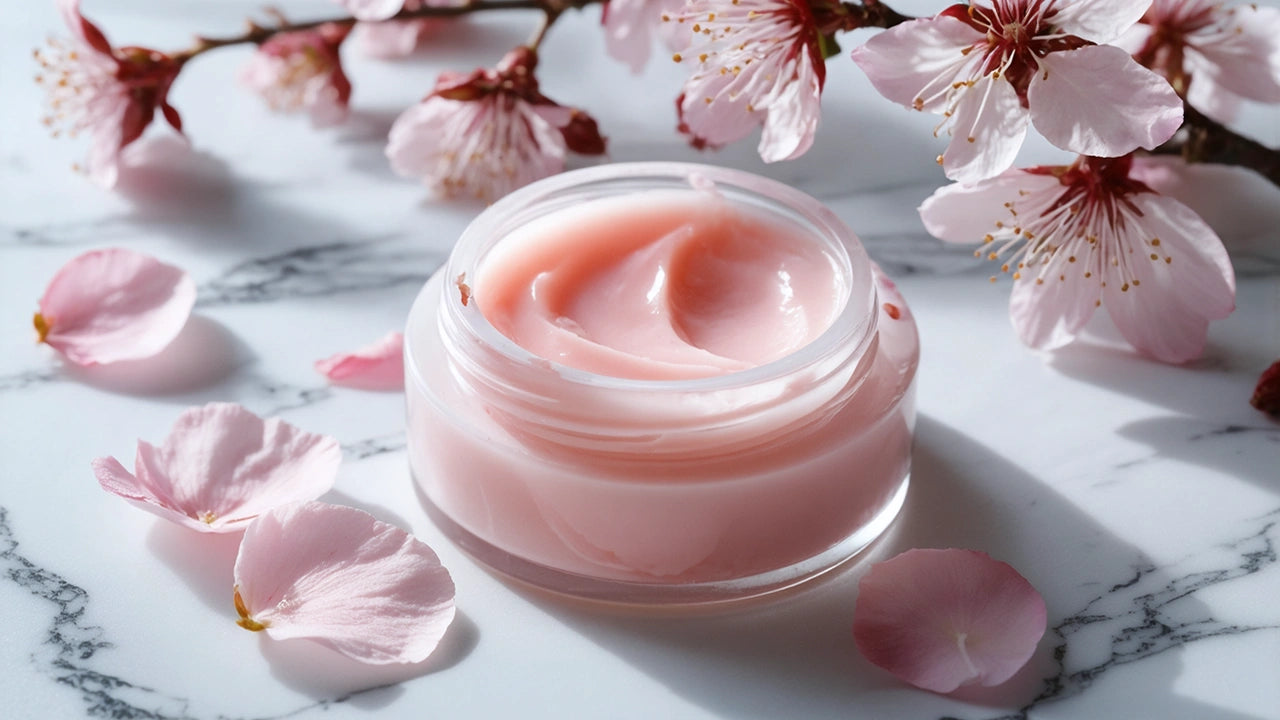
Many people in India still rely on a single face wash at night, then wonder why their pores look congested or their skin feels dull. The truth is, a water-based cleanser simply can't dissolve a water-resistant SPF 50. That's where the balm steps in. Our Cherry Blossom Daily Cleansing Balm is formulated to melt grime quickly while soothing skin with cherry blossom extract — the ideal first cleanse for the modern, sunscreen-wearing Indian face.
The K-Beauty Double Cleanse
Double cleansing is the two-step Korean ritual of following an oil-based cleanser with a water-based one. The balm handles oil-soluble debris first; the gentle wash then clears away sweat, dirt and water-soluble impurities. Together, they leave skin genuinely clean — the foundation of that coveted glass-skin glow.
Why Indian Skin Benefits Most
For Fitzpatrick III–V skin tones common across India — which are more prone to post-inflammatory pigmentation — over-scrubbing or harsh stripping can trigger irritation and dark marks. A balm's slip-and-melt action cleanses thoroughly without the friction that aggravates melanin-rich skin, making it both effective and protective.
Cleansing Balm vs Face Wash vs Micellar Water: What Removes What?
Confused about where a balm fits among your existing cleansers? Here's the simplest way to understand it: each product targets a different type of grime, and they work best together rather than in competition.
What Each One Actually Removes
| Cleanser | Best At Removing | Where It Falls Short |
|---|---|---|
| Cleansing balm | SPF, makeup, sebum, pollution (oil-based grime) | Sweat and water-soluble dirt |
| Face wash / foaming cleanser | Sweat, dust, water-soluble residue | Water-resistant SPF and long-wear makeup |
| Micellar water | Light makeup and surface dirt | Heavy SPF; can leave residue if not rinsed |
Why Balms Melt SPF Best
Modern Indian sunscreens are designed to resist sweat and water so they stay put through humid afternoons — which is exactly why they cling to skin at night. Micellar water often smears these stubborn filters around rather than lifting them off, and a foaming wash skims the surface without dissolving them. A cleansing balm's emollient esters bond with these oil-based filters and float them away. Cosmetic scientists note that oil cleansing follows the "like dissolves like" principle — lipophilic ingredients in a balm bind to lipophilic sunscreen residues far more efficiently than surfactant-based formulas.
If you struggle with breakouts and assume an oil-based balm will worsen them, that's a common myth worth unlearning — our guide to a cleansing balm for oily skin double cleanse explains why the right balm actually helps decongest oily, acne-prone skin.

And if you wear long-wear concealer or base makeup, this is non-negotiable: water alone won't shift pigment-rich, transfer-resistant formulas. A balm dissolves them gently so you never have to tug at delicate under-eye skin.
How to Use a Cleansing Balm: Step by Step
To use a cleansing balm, scoop a small amount onto dry hands and massage it over dry skin for 30 to 60 seconds, letting it melt and dissolve sunscreen, makeup and grime. Add a little lukewarm water to emulsify the balm into a milky lotion, massage again, then rinse thoroughly. Follow with a gentle water-based cleanser.
Step 1: Apply to Dry Skin
Always start with dry hands and a dry face. Scoop a small amount of balm and warm it between your fingertips, then massage in slow circles. This is the moment the balm bonds with your SPF and makeup — give it a full 30 to 60 seconds, paying attention to your nose, hairline and jaw where sunscreen builds up.
Step 2: Emulsify and Rinse
Wet your fingertips and continue massaging — the balm will transform into a soft, milky emulsion. This emulsification step is what allows the oil (and everything it's lifted) to rinse cleanly away with water rather than leaving a greasy film. Rinse with lukewarm water until your skin feels smooth, not slick.
Step 3: Follow With a Water-Based Wash
Complete your double cleanse with a gentle foaming cleanser. Our Foaming Face Wash with Yuzu Vitamin C brightens while it cleanses, clearing away sweat and water-soluble residue so your serums absorb beautifully. This two-step finish is the heart of The Quench Botanics Method — clean deeply, never strip.
Why a Cleansing Balm Matters in Indian Summer and Monsoon
India's climate asks a lot of your skin. Between scorching summers and humid monsoons, the grime your face collects daily is heavier than most cleansers can handle alone — which is precisely when a balm earns its place in your routine.
Removing Heavy SPF in the Heat
During summer, dermatologists recommend reapplying broad-spectrum SPF every few hours — meaning layers of sunscreen accumulate by evening. A cleansing balm is the most reliable way to remove that buildup without scrubbing. Research published in the Journal of Cosmetic Dermatology found that oil-based cleansing was significantly more effective at removing water-resistant sunscreen than surfactant cleansers alone, while better preserving skin-barrier integrity. For glow-chasers, pairing thorough cleansing with the right SPF makes all the difference — our Indian summer sunscreen guide helps you choose a formula that protects without clogging.
Pollution and Barrier Care in Monsoon
Monsoon brings humidity and airborne pollution that settle into pores and cling to sunscreen. A balm lifts these particles gently, while a non-stripping cleanse keeps your barrier resilient against the dampness-driven breakouts and dullness so many of us see this season. Clean, balanced skin is far better equipped to fight congestion than over-washed, irritated skin.
Frequently Asked Questions About cleansing balm for Indian skin
Is a cleansing balm safe for oily and acne-prone Indian skin?
Yes, a cleansing balm is safe for oily and acne-prone Indian skin when you choose a lightweight, non-comedogenic formula. Modern balms made with plant oils like jojoba and grapeseed actually mimic your skin's natural sebum, helping dissolve excess oil and clogged pores without stripping moisture. The key is to emulsify the balm fully with water so it rinses clean and leaves no greasy residue. Always follow with a gentle water-based cleanser as your second step. If you're worried about breakouts,
How long does it take to see results from using a cleansing balm?
Most people notice softer, cleaner, more hydrated skin from the very first use of a cleansing balm, since it instantly melts away makeup, sunscreen and pollution. For deeper benefits like reduced congestion, fewer clogged pores and a brighter, more even tone, give it 2 to 4 weeks of consistent nightly use. Because a cleansing balm doesn't strip your skin's barrier the way harsh face washes can, your skin gradually becomes less reactive and better balanced. Results show up faster when you pair it
Can I use a cleansing balm with a sunscreen-heavy daily routine?
Absolutely, a cleansing balm is one of the best ways to remove heavy or water-resistant sunscreen at the end of the day. Many SPF formulas, especially high-protection ones worn in Indian summers, are oil-based and resist regular face wash, leaving a film that clogs pores. A cleansing balm dissolves these stubborn UV filters effortlessly because oil binds to oil. Massage it onto dry skin, emulsify with water, then rinse and follow with a water-based cleanser. This double-cleanse method ensures yo
What is the difference between a cleansing balm and a cleansing oil?
A cleansing balm and a cleansing oil do the same job, but differ in texture, packaging and feel. A cleansing balm is a solid, butter-like formula that melts into oil on contact with warm skin, while a cleansing oil is already liquid in the bottle. Balms tend to feel more cushioned and travel-friendly with no risk of spills, making them ideal for India's heat where oils can get messy. Oils can feel lighter and spread faster. Both dissolve makeup, sunscreen and sebum, and both should be emulsified
How often should you use a cleansing balm?
You should use a cleansing balm once a day, ideally at night, as the first step of your double-cleanse routine. Night-time is when your skin accumulates makeup, sunscreen, sweat and pollution, all of which a balm dissolves beautifully. Using it every evening keeps pores clear and prevents buildup, especially during India's humid monsoon and summer months. In the morning, a balm usually isn't necessary unless you slept in heavy products. If your skin feels dry or sensitive, you can reduce balm us
Shop Quench Botanics
Ready to feel what a true clean — without the tightness — actually feels like? Start your double cleanse with the Cherry Blossom Daily Cleansing Balm to melt away SPF, makeup and pollution in seconds, then reach for it nightly for softer, clearer, calmer skin.

Not sure which second cleanser suits you? Our Quench face wash guide helps you pick the perfect water-based partner for your skin type, so your K-beauty double cleanse delivers that healthy, glass-skin glow — the Quench Botanics way.