If you've been searching for the right quench face wash for your skin, the short answer is this: match the cleanser to your skin's current concern, not just its type. Oily, breakout-prone skin in Indian summers thrives on a matcha-based foaming wash; dull, uneven skin glows with yuzu vitamin C; dry or sensitive skin calms down with a rice water cream cleanser. A face wash is the surfactant-based first step of your routine that lifts away sunscreen, sebum, sweat, and pollution without disturbing your acid mantle — and choosing it well is the difference between barrier-strong skin and that tight, squeaky feeling we've all been told (wrongly) means "clean."

Why Your Face Wash Is More Important Than You Think
Most of us treat cleansing as a thirty-second formality, but it's actually the step that decides whether your serums and moisturisers can do their job. A harsh, high-pH cleanser leaves micro-cracks in the lipid barrier — and once that barrier is compromised, even the most expensive snail mucin serum struggles to deliver results.
The cleanser-barrier connection
Your skin's outermost layer, the stratum corneum, sits at a slightly acidic pH of around 4.7 to 5.5. Research published in the International Journal of Cosmetic Science found that cleansers with a pH above 7 can disrupt the acid mantle, increase transepidermal water loss, and trigger reactive oiliness within hours of use. In simple terms: a too-harsh face wash makes oily skin oilier and dry skin drier. Cosmetic chemists recommend pH-balanced, low-sulphate formulas for daily use — exactly the philosophy behind every Quench Botanics cleanser.
Common face wash mistakes Indian skin makes
- Over-washing in summer: Scrubbing three or four times a day in humid weather to feel "fresh" actually triggers more sebum production.
- Not cleansing thoroughly at night: Skipping a proper wash after a full day of SPF, sweat, and pollution is the fastest route to clogged pores.
- Using the same wash year-round: Indian skin (largely Fitzpatrick III–V) shifts dramatically between humid monsoons and dry winters, and your cleanser should too.
- Choosing by lather, not ingredients: A foamy wash isn't automatically a "deep clean" — it's just a surfactant doing its job.
The Quench Botanics Face Wash Range: Matched to Your Skin Type
This is where The Quench Botanics Method comes in — we formulate each cleanser around a single hero botanical, then match texture (foam, gel, or cream) to the skin concern it best serves. Here's how to find yours.
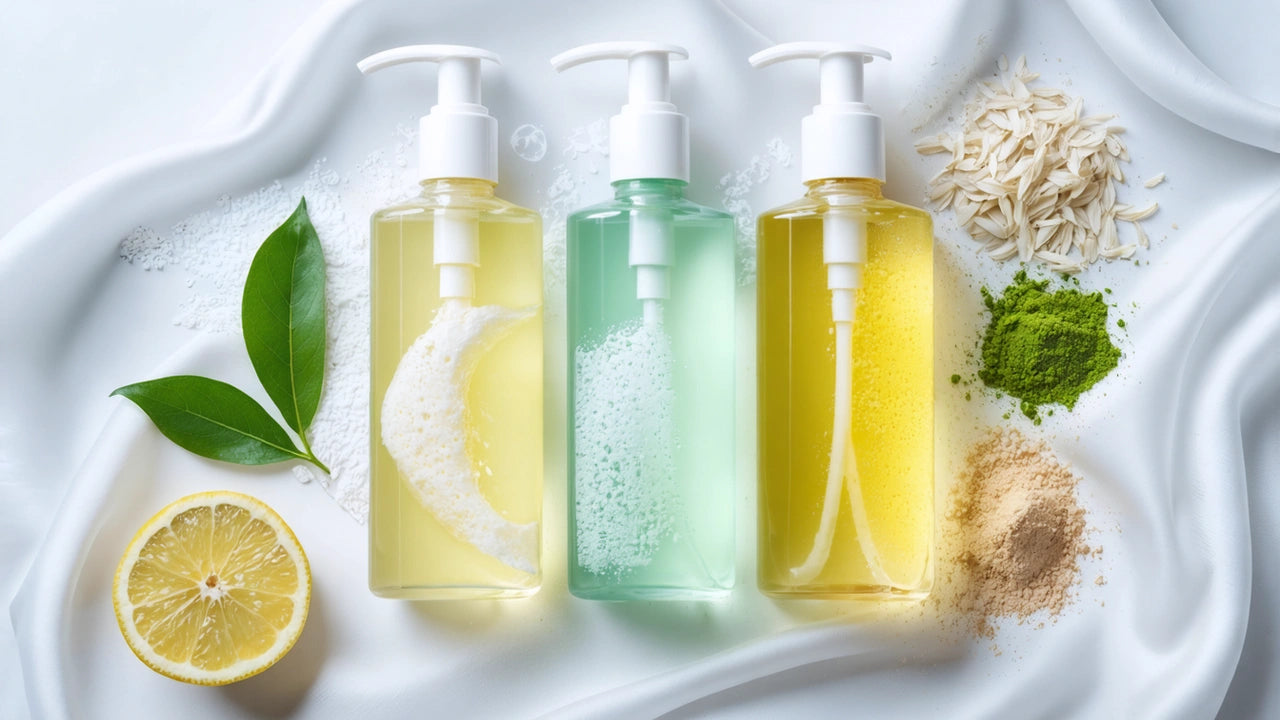
- Step 1 — Yuzu Vitamin C Face Wash: for dull and uneven skin If your skin looks tired, your tan refuses to fade, or pigmentation is creeping in around the cheeks and forehead, brightness is your priority. The Foaming Face Wash with Yuzu Vitamin C uses Japanese yuzu — a citrus packed with naturally stable vitamin C derivatives — to gently dissolve dullness while supporting a more even tone over time. The lightweight foam texture suits combination to oily skin and rinses cleanly in hard water, which matters across most Indian metros.
-
Step 2 — Rice Water Cream Face Wash: for sensitive and dry skin
Skin that feels tight, flaky, or reactive needs a creamy, low-foam cleanser that lifts grime without taking your barrier with it. The Gentle Exfoliation Cream Face Wash with Rice Water uses fermented rice water (a centuries-old Korean and Japanese skincare staple) and ultra-fine minerals to softly polish while hydrating. It's ideal for post-actives nights, winter mornings, or any time your skin is whispering "go easy on me."

- Step 3 — Matcha Face Wash: for oily and acne-prone skin For oily skin in India, the best Quench face wash is the matcha green tea cleanser. Its catechin-rich formula controls excess sebum, calms active breakouts, and clears congestion without over-stripping the barrier — a common cause of rebound oiliness in humid Indian summers. Pair it with a niacinamide moisturiser to keep oil production balanced and pores visibly tighter over time.
Foaming vs Gel vs Cream Cleanser: Which Formula Is Right for India's Climate?
Texture matters as much as ingredients. Here's a quick comparison to guide your seasonal choices.
| Formula | Best For | Best Season in India |
|---|---|---|
| Foaming | Oily, combination, acne-prone skin | Summer & monsoon |
| Gel | Normal to combination skin, light makeup wearers | Year-round |
| Cream | Dry, sensitive, mature, or compromised skin | Winter & post-actives |
Summer and monsoon: when foaming wins
Humidity plus sweat plus sebum is a recipe for clogged pores. A foaming yuzu or matcha cleanser cuts through that film without you needing to scrub. If you're battling monsoon breakouts, our humidity-proof monsoon routine walks through exactly how to layer your cleanser with the right serum and SPF.
Dry season: when cream cleansers protect
From late October onwards, North Indian winters and air-conditioned offices pull moisture out of skin fast. Swap to a cream cleanser at least at night — your barrier will thank you within a week. Sensitive skin types can even use a cream cleanser both morning and night during peak winter.
How to Double Cleanse with Quench Botanics (and Why It's Worth It)
Double cleansing is the K-beauty ritual of using an oil-based cleanser first, followed by a water-based one. It's especially important in India, where daily SPF, sebum, and city pollution form a layer that water alone can't dissolve.
- Step 1 — Cleansing balm for SPF and makeup Massage the Dirt Dissolving Daily Cleansing Balm with Cherry Blossom onto dry skin for sixty seconds. The cherry blossom-infused balm melts into a silky oil that lifts mineral SPF, foundation, and sebum without tugging. Emulsify with a splash of water, then rinse. Curious how it compares to micellar water? Our cleansing balm vs micellar water guide breaks it down.
-
Step 2 — Your skin-type face wash
Follow up with the Quench cleanser that matches your concern — yuzu for brightness, rice water for sensitivity, matcha for oil control. Sixty seconds of gentle massage is plenty. Pat (don't rub) dry, and move straight into your hydrating toner while skin is still damp. Want to amplify hydration after cleansing? A weekly rice water sheet mask seals in moisture beautifully.

Frequently Asked Questions About quench face wash
Which face wash is best for oily skin in summer in India?
For oily skin in Indian summers, a gentle foaming or gel face wash with ingredients like green tea, niacinamide, or rice water works best. These formulas lift away sweat, sunscreen, and excess sebum without leaving skin tight or stripped. Quench Botanics' Rice Glow Foaming Cleanser is a popular pick because it deep-cleans pores while balancing oil and brightening dullness from humidity. Avoid harsh sulphates and alcohol-heavy cleansers — they trigger more oil production. Stick to cleansing twice
Is rice water face wash good for acne-prone skin?
Yes, rice water face wash is genuinely good for acne-prone skin when formulated gently. Rice water is naturally rich in amino acids, vitamins B and E, and ferulic acid, which calm inflammation, fade post-acne marks, and strengthen the skin barrier — a key factor in preventing breakouts. Unlike harsh acne cleansers that strip the skin and trigger rebound oil, rice water gently brightens and balances. Look for sulphate-free, pH-balanced formulas like Quench Botanics' rice-based cleansers, and pair
How long does it take to see results from a new face wash?
Most people see initial results from a new face wash within 7 to 14 days, with fuller skin transformation around the 4–6 week mark. In the first two weeks, you'll notice surface changes — less congestion, softer texture, and a more balanced feel after cleansing. Deeper benefits like fading dark spots, refined pores, or reduced breakouts take a full skin cycle of about 28 days. Stick with the same cleanser consistently, avoid switching too often, and pair it with a complete routine. If irritation
Can I use a face wash with my actives like retinol or vitamin C?
Yes, you can safely use a face wash before applying actives like retinol or vitamin C — in fact, clean skin helps actives absorb better. Choose a mild, pH-balanced cleanser (around 5.5) so it doesn't disrupt your skin barrier or interfere with your actives' efficacy. Avoid exfoliating face washes with AHAs or scrubs on the same nights you use retinol, as layering acids can cause irritation. A creamy or hydrating gel cleanser like Quench Botanics' gentler formulas pairs beautifully with potent ac
Shop Quench Botanics
Ready to make your cleanser the strongest step in your routine? Explore the Quench Botanics face wash range — yuzu for brightness, rice water for sensitive skin, matcha for oil control — and pair your pick with the cherry blossom cleansing balm for a true K-beauty double cleanse. If you want to go deeper, our Korean skincare for Indian climate guide shows you how to build the rest of the routine around your new favourite cleanser. Glass skin starts in the basin.