
If your face still feels a little "coated" even after washing it, meet the step you've been missing: the humble cleansing balm. A cleansing balm is an oil-based, butter-soft cleanser that melts on contact with skin to dissolve sunscreen, makeup, sweat and pollution grime — then rinses clean with water. Think of it as the gentle first act of a double cleanse: it lifts everything oil-based off your skin so your water-based wash can actually do its job. If you're weighing your options, our guide on cleansing balm vs micellar water for Indian skin breaks down which suits your day. Ready to make your evening cleanse feel like a tiny spa moment? Let's melt in.
What Is a Cleansing Balm and Why Does Your Skin Love It?
A simple definition
A cleansing balm starts as a solid-ish balm and warms into a silky oil as you massage it in. Because "like dissolves like," the oils in the balm grab onto other oily things sitting on your skin — your SPF, your foundation, sebum and the sticky film city air leaves behind — and lift them away. Then a splash of water turns the balm milky (that's called emulsifying, just a fancy word for "mixing oil and water so it rinses off"), and everything washes down the drain.
Oil-based vs gel cleansers: what's the difference?
Here's the easiest way to picture it: oil-based cleansers (balms and oils) remove oil-based grime, and water-based cleansers (gels and foams) sweep away water-based stuff like sweat and leftover dust. One without the other leaves half the job undone — which is exactly why the double-cleanse method exists. Dermatologists recommend an oil-based first step precisely because water and gel washes struggle to break down water-resistant sunscreen on their own.
| Feature | Cleansing Balm (oil-based) | Gel Face Wash (water-based) |
|---|---|---|
| Best at removing | Sunscreen, makeup, sebum, pollution film | Sweat, dust, leftover cleanser |
| Texture | Balm that melts to oil | Light gel that foams gently |
| Role in routine | First cleanse | Second cleanse |
| After-feel | Soft, cushioned | Fresh, clean |
How Do You Use a Cleansing Balm, Step by Step?
A cleansing balm is an oil-based cleanser that melts on your skin to dissolve makeup, sunscreen and grime. To use it, scoop a small amount onto dry hands, massage it over dry skin for about a minute, then add a little water to turn it milky. Rinse thoroughly with lukewarm water and follow with a gentle water-based wash.
- Apply to dry skinScoop a pea-to-almond-sized amount with dry fingers and warm it between your fingertips. Apply to a dry face — water at this stage stops the oils from properly grabbing your sunscreen and makeup. Dry hands, dry face, every time.
- Massage to dissolveMassage in slow circles for 45–60 seconds. Give extra love to your nose, hairline and jaw where SPF and grime like to hide. You'll feel your makeup and sunscreen loosen and slide — that's the balm doing its dirt-dissolving thing.
- Emulsify with waterWet your fingertips and keep massaging. The balm turns milky-white as it emulsifies, wrapping up all the dissolved grime so it can rinse away instead of smearing around.
- Rinse and follow upRinse well with lukewarm water — not hot, which can leave skin feeling tight. Pat dry, then move on to your gentle gel wash for the complete double cleanse.

Want to see the technique in even more detail? Our Dirt Dissolving Daily Cleansing Balm is the hero we've been walking through the steps with — a small scoop goes a long way, so a mini lasts surprisingly long.
What Is the Double Cleanse Method (and How Do You Do It)?
The double cleanse routine is a two-step evening ritual borrowed from Korean skincare: an oil-based cleanser first, a water-based one second. It's not about washing twice for the sake of it — it's about matching the right cleanser to the right kind of grime so your skin ends up genuinely clean, not stripped.
Step 1: The balm
Your cleansing balm dissolves everything oil-loving — makeup, sebum, and that stubborn balm to remove sunscreen job that gel washes alone can't finish. This is especially true for the water-resistant, high-SPF formulas we all (rightly) wear in Indian sun.
Step 2: The gentle gel wash
Follow with a light, low-pH gel cleanser. Our Gentle Cleansing Gel Face Wash with birch juice enzymes is the ideal second cleanse in the double-cleanse method — it clears away sweat and any last traces without leaving skin squeaky and tight.
When to double cleanse
Double cleanse in the evening whenever you've worn sunscreen (so, ideally, every day), makeup, or spent hours out in the city. Mornings usually need just a splash of water or a single gentle wash — your skin didn't collect makeup or SPF while you slept.
The Quench Botanics Method is all about K-beauty actives tuned for Indian weather: lightweight, humidity-friendly and never over-drying. A study in the Journal of Cosmetic Dermatology found that a two-step oil-then-water cleanse removed significantly more residual sunscreen and particulate pollution than a single wash — real reassurance for anyone navigating dusty, humid cities.
Is Double Cleansing Necessary in Humid Indian Weather?
Sweat, sunscreen and pollution
In much of India, your skin battles a triple combo: relentless sun (so you're wearing plenty of SPF), sticky humidity (so you're sweating and reapplying), and urban pollution that leaves a fine, oily film on skin by evening. For melanin-rich Fitzpatrick III–V skin tones, that pollution film can contribute to the very congestion and uneven tone we're trying to keep in check — so gently lifting it off each night genuinely matters.

And if you're wearing a tinted SPF like our Daily Defense Tinted Sunscreen through the day, that's another beautiful reason a balm earns its place — tinted formulas have pigment that a quick rinse simply won't budge.
When once is enough
No sunscreen, no makeup, a lazy day indoors? A single gentle cleanse is perfectly fine. Cosmetic scientists note that over-cleansing can disrupt your skin barrier, so listen to your skin rather than any rulebook. On low-grime days, our Deep Pore Cleansing Micellar Water with Cica is a lovely lighter alternative — cica helps soothe as it cleans.
What's the Quickest Cleansing Routine Takeaway?
Your evening cleanse order
Keep it simple and repeatable:
- Step 1 — Balm on dry skin: massage 45–60 seconds to dissolve SPF and makeup, emulsify with water, rinse.
- Step 2 — Gentle gel wash: a quick lather to sweep away sweat and dust, then rinse with lukewarm water.
- Step 3 — Treat and hydrate: pat on your serum and moisturiser while skin is still slightly damp.
City dweller? Our Delhi pollution protection routine pairs beautifully with a nightly double cleanse for grime-heavy days. That's it — no drama, no stripping, just skin that feels clean and cared for.
Frequently Asked Questions About cleansing balm
What is the difference between a cleansing balm and a cleansing oil?
A cleansing balm is a solid, butter-like texture that melts into an oil on contact with skin, while a cleansing oil starts as a liquid. Both are oil-based first cleansers that dissolve makeup, sunscreen and sebum, but balms tend to feel more cushiony and travel-friendly since they won't spill. Oils can feel lighter and spread faster, making them a favourite for very oily or acne-prone skin. In hot, humid Indian weather, many people prefer a balm at night and a lighter gel or oil for quick mornin
Is a cleansing balm safe for oily and acne-prone skin?
Yes, a cleansing balm is safe for oily and acne-prone skin when it's fully emulsified and rinsed off properly. It might feel counterintuitive to put an oil-based product on oily skin, but balms actually dissolve excess sebum and pore-clogging sunscreen better than water-based cleansers alone. The key is choosing a non-comedogenic formula and following with a gentle second cleanse so no residue is left behind. Look for lightweight, plant-based balms rather than heavy mineral-oil versions. Used co
How long does it take to see results from double cleansing?
Most people notice cleaner, smoother-feeling skin immediately after their first double cleanse, but visible results like clearer pores and fewer breakouts usually appear within 2 to 4 weeks of consistent use. Because double cleansing removes stubborn sunscreen and makeup that single cleansing misses, your other products can penetrate better over time, which improves overall glow. Be patient and consistent, and avoid over-cleansing, which can irritate skin. If you're dealing with clogged pores or
Can I use a cleansing balm every day?
Yes, you can use a cleansing balm every day, ideally as your evening first cleanse to melt away sunscreen, makeup and daily grime. Nighttime is when your skin collects the most buildup, so a daily balm keeps pores clear and your skin prepped for serums and moisturisers. For mornings, a balm is usually unnecessary since a gentle water-based cleanser is enough to freshen up. If your skin feels tight or dry, choose a nourishing, non-stripping formula and always follow with a hydrating step. Daily u
What are the benefits of using a cleansing balm?
The main benefits of a cleansing balm are that it effortlessly dissolves stubborn sunscreen, waterproof makeup and excess oil without stripping your skin. Unlike harsh foaming cleansers, a balm's oil-based texture cleanses while keeping your moisture barrier intact, so skin feels soft rather than tight. It also gives a mini facial-massage moment as it melts in, boosting circulation and helping you unwind. As the first step in a double cleanse, it prepares skin so your serums and moisturisers abs
Melt the Day Away
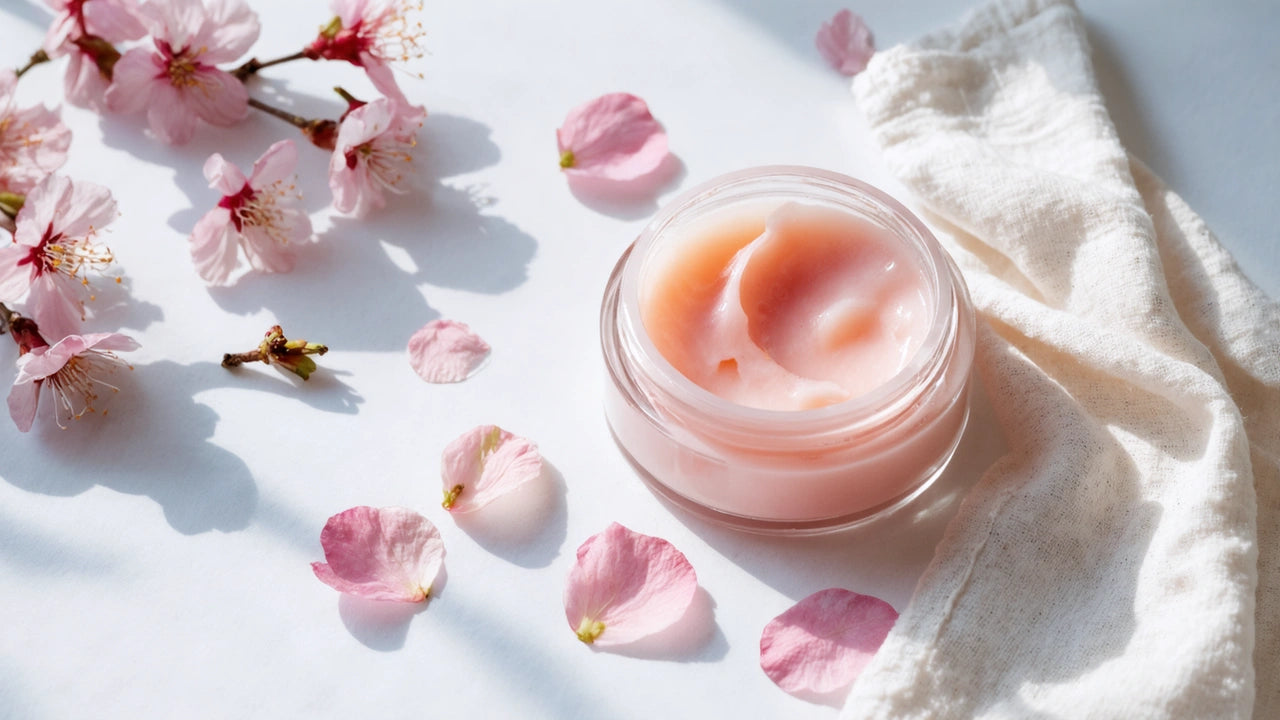
Ready to feel that satisfying "properly clean but never stripped" glow? Our Dirt Dissolving Daily Cleansing Balm with Cherry Blossom Radiance is the easiest, most sensorial way to start double cleansing — lightweight, cruelty-free and made for humid Indian evenings. Give your skin its gentle first act tonight, and let the rest of your routine finally shine. Your future glass-skin self says thank you.