
If you're choosing between a cleansing balm and micellar water for Indian skin, a cleansing balm usually wins as your first cleanse because it melts away sunscreen, makeup and pollution grime far more thoroughly without stripping your skin. A cleansing balm is a solid, oil-based cleanser that transforms into a silky oil on contact with skin, dissolving oil-soluble impurities like SPF and sebum. Micellar water, by contrast, uses tiny micelles to lift surface dirt with a cotton pad — gentle and quick, but lighter-duty. For India's humid, sunscreen-heavy days, knowing which to reach for makes all the difference between truly clean skin and a film of leftover grime. Let's settle this head-to-head, starting with a quick scan you can read on the go. The Dirt Dissolving Daily Cleansing Balm is our go-to first step for exactly this reason.
Cleansing Balm vs Micellar Water at a Glance: What's the Real Difference?
Both are makeup removers, but they work on completely different chemistry. A cleansing balm relies on the principle that "like dissolves like" — its oils bond with the oil-based grime on your face. Micellar water relies on micelles, which grab dirt with one end and water with the other. For Indian climates where sweat, sunscreen and airborne particulate stack up by noon, that difference is decisive.
Quick Verdict Table
| Factor | Cleansing Balm | Micellar Water |
|---|---|---|
| Removes SPF / sunscreen | Excellent — melts it fully | Partial — often leaves residue |
| Removes heavy makeup | Excellent | Good for light makeup |
| Strips or dries skin | No — leaves it cushioned | Can, if not rinsed |
| Needs water to rinse | Yes (emulsifies) | No (wipe-off) |
| Best for | First step of a double cleanse | Travel, quick days, eye area |
How Each One Cleans
The cleansing balm dissolves and carries away oil-soluble impurities, then rinses clean. Micellar water lifts and wipes water-soluble and light surface dirt. One melts; the other mops. For a fuller routine framework, our Korean skincare routine order guide shows exactly where cleansing fits in a K-beauty layering sequence.
How Does a Cleansing Balm Work to Remove SPF and Grime?
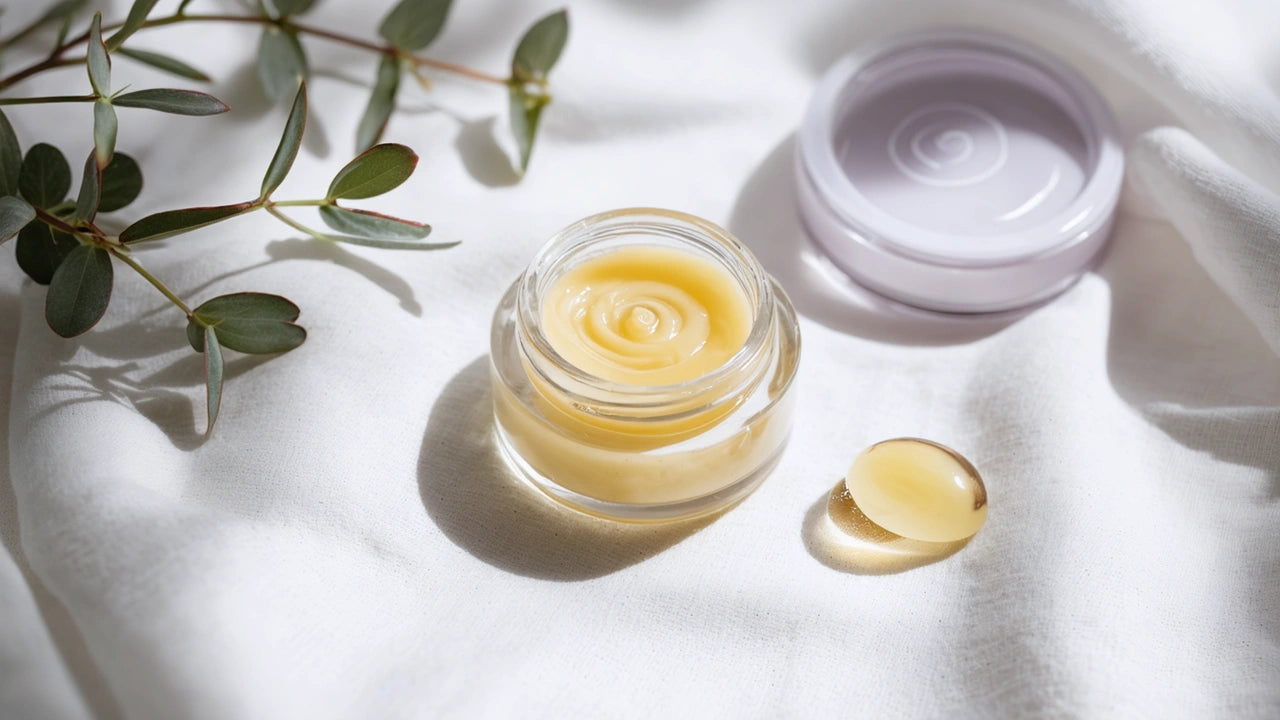
A cleansing balm works through oil cleansing — a cornerstone of K-beauty. When you massage the solid balm into dry skin, body heat melts it into an oil that binds with sunscreen filters, sebum, makeup and pollution particles. Add a splash of water and it emulsifies into a milky lather that rinses everything away. This is why oil cleansing is the gentlest yet most complete way to start a cleanse.
Melting SPF and Grime
A cleansing balm melts SPF, makeup and pollution more thoroughly than micellar water without stripping, making it the better first step in a double cleanse for Indian skin. Its oils dissolve sunscreen filters and sebum that water-based micelles only partly lift, then emulsify and rinse clean — leaving skin soft, comfortable and properly prepped for the rest of your routine.
Why It Won't Strip Skin
Unlike harsh foaming washes, a balm cleanses without disrupting your moisture barrier. Research published in the Journal of Cosmetic Dermatology has shown that oil-based cleansers remove sebum and sunscreen with significantly less impact on skin barrier hydration than surfactant-heavy alternatives. Dermatologists recommend oil-first cleansing for anyone wearing daily SPF — which, in India's high-UV climate, should be everyone. This is the heart of The Quench Botanics Method: cleanse thoroughly, never aggressively.

How Does Micellar Water Work for Makeup Removal?
Micellar water for makeup removal uses micelles — microscopic clusters of mild surfactant molecules suspended in soft water. Each micelle has an oil-attracting tail and a water-loving head, so when you sweep a soaked cotton pad across your face, the micelles surround and lift away light makeup, sweat and surface dust. It's quick, no-rinse and genuinely gentle.
Lift-and-Wipe Micelles
For a tinted moisturiser, a swipe of concealer or a sweaty gym face, micellar water is a brilliant low-effort option. Our Cica micellar water pairs gentle micelles with soothing Centella to calm reactive skin while it cleans. It's especially handy for removing point products like rice-water concealer at the end of the day.

Its Limitations on SPF
Here's the honest catch: most modern sunscreens are water-resistant by design, so they're built to survive sweat and humidity — and micellar water alone often can't fully break them down. You may wipe and wipe and still leave a film of filters behind, which can clog pores over time. That residue is exactly the problem a balm solves.
Which Cleanser Suits Your Skin Type and Routine?
The right choice depends on your skin, your makeup load and your day. For Indian skin tones in the Fitzpatrick III–V range — more prone to post-inflammatory hyperpigmentation — gentle, complete cleansing matters even more, because leftover grime and over-stripping both worsen dark spots and dullness over time.
Oily and Combination Skin
It's a myth that oily skin should avoid balms — the right oil cleanser actually balances sebum and clears congestion. We unpack this fully in our cleansing balm for oily skin myth-buster, but the short version: balms dissolve the hardened sebum that causes blackheads.
Travel and Quick Days
On low-makeup days, post-workout, or while travelling without a sink nearby, micellar water is your friend. No rinse, no fuss, gone in 30 seconds.
The Double Cleanse Winner
For a proper double cleanse — the K-beauty gold standard — start with the balm to melt SPF and grime, then follow with a water-based wash. Pair it with the Foaming Face Wash with Yuzu Vitamin C to whisk away the last traces and leave skin fresh, bright and never tight.
Frequently Asked Questions About cleansing balm vs micellar water for Indian skin
Is a cleansing balm better than micellar water for Indian skin?
A cleansing balm is generally better for Indian skin if you wear sunscreen, makeup, or live in humid, polluted cities, because its oil-based formula melts away stubborn grime that water-based micellar struggles with. Micellar water suits quick freshen-ups, sensitive days, or no-makeup mornings. For India's heat, layered SPF, and pollution exposure, many dermatologists recommend a balm as your first cleanse, followed by a gentle face wash. The best choice depends on your skin type and how much pr
Does a cleansing balm remove SPF and sunscreen properly?
Yes, a cleansing balm removes SPF effectively because most sunscreens are oil-based or water-resistant, and like dissolves like. The balm's oils break down both chemical and mineral sunscreen, lifting it off without harsh scrubbing. This matters in India, where daily reapplication of SPF can leave residue that water-based cleansers miss. Massage the balm onto dry skin for 30–60 seconds, then emulsify with water and rinse. Skipping proper SPF removal can lead to clogged pores and dullness, so a b
Is micellar water enough to clean your face on its own?
Micellar water is enough for light cleansing, such as removing sweat, light makeup, or freshening up, but it isn't ideal as your only cleanse if you wear SPF or heavy makeup. The micelles attract dirt and oil without rinsing, so leftover residue can build up over time, especially in humid Indian conditions. For a proper clean, use micellar water as a first step or for quick days, then follow with a water-based cleanser. On heavy days, an oil cleanser or balm cleanses far more thoroughly.
Which is better for oily and acne-prone skin: cleansing balm or micellar water?
For oily, acne-prone skin, micellar water works well for daytime freshening, but a lightweight cleansing balm is often better at night to fully dissolve sebum, SPF, and pollution that clog pores. Look for non-comedogenic balms with botanicals like green tea or grapeseed oil that won't leave a heavy film. The myth that oily skin should avoid oil cleansers is outdated; balanced oil cleansing can actually reduce excess sebum over time. Always follow with a gentle foaming cleanser to keep pores clea
Can you use a cleansing balm and micellar water together in one routine?
Yes, you can use a cleansing balm and micellar water together, and pairing them can suit busy or active lifestyles. Use micellar water in the morning or for a quick midday refresh, and reach for the cleansing balm at night to deeply remove SPF, makeup, and grime. You don't typically need both in a single cleanse, but they complement each other across your day. Just avoid over-cleansing, which can strip your skin barrier, and always follow your final cleanse with a hydrating moisturiser.
Shop Quench Botanics
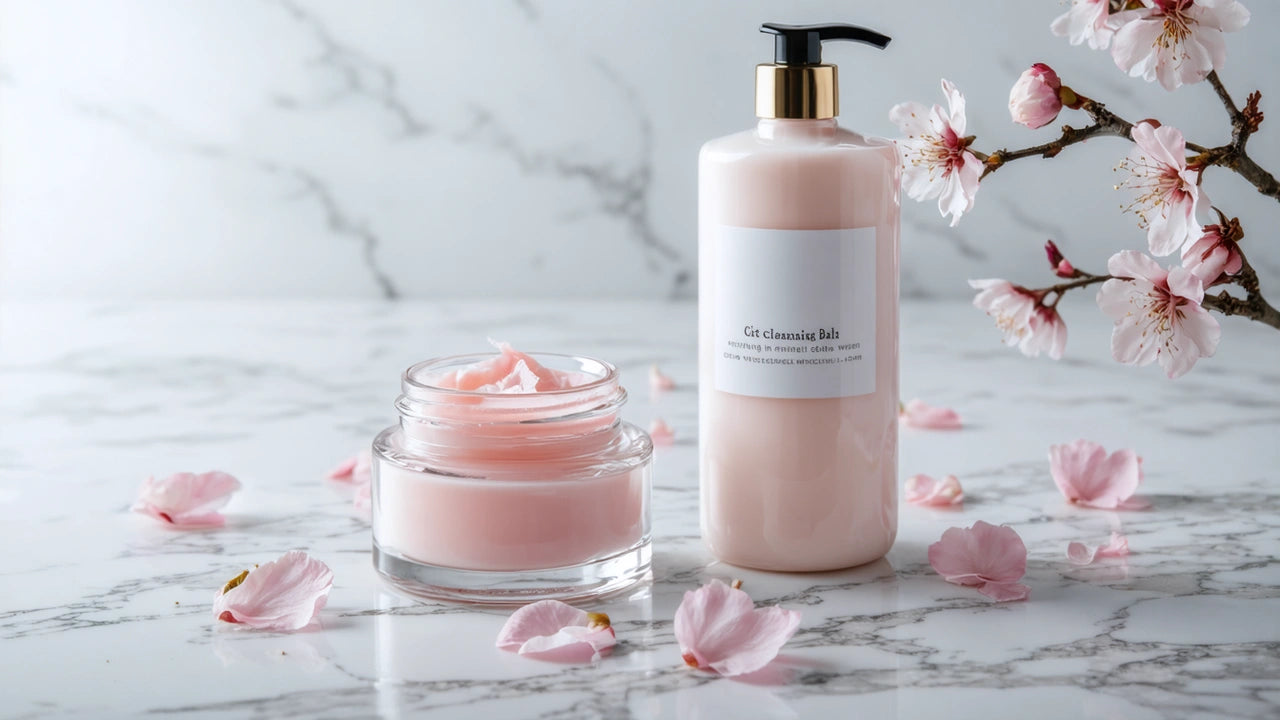
Ready to actually remove your sunscreen and wake up to clearer, calmer skin? Start your double cleanse with the Dirt Dissolving Daily Cleansing Balm with Cherry Blossom to melt away SPF, makeup and pollution without stripping — then glow on. This is cleansing the Quench Botanics way.