A cleansing balm is a soft, oil-based cleanser that melts into a silky oil on contact with your skin to dissolve makeup, sunscreen, sweat and pollution — then rinses clean with a splash of water. Think of it as the gentle "first cleanse" that lifts away everything the day piled on before your regular face wash even gets a look-in. If you live somewhere hot and sticky (hello, most of India), a cleansing balm is genuinely the step your evening routine has been missing. It works with your skin, not against it, and it makes taking off long-wear SPF feel like a spa moment rather than a scrub-fest.

What Is a Cleansing Balm? (Quick Answer)
In the simplest terms, a cleansing balm is a solid-to-oil cleanser that dissolves oil-based grime — because oil attracts oil. Your sunscreen, foundation and the day's pollution are largely oil-loving, which is exactly why a water-based wash alone often can't shift them fully.
Oil-Based Cleansing Simplified
Here's the chemistry, minus the headache: like dissolves like. Oily impurities (SPF filters, sebum, makeup) cling stubbornly to your skin and don't budge easily with water. A balm's cleansing oils grab onto that grime and float it away, so when you rinse, everything lifts off together. No tugging, no stripping, no that-squeaky-tight feeling.
Who It's For
Honestly? Almost everyone. If you wear sunscreen daily (you do, right?), swipe on makeup, or simply commute through city traffic, a balm belongs in your routine. It's a K-beauty staple loved by Gen-Z explorers and millennial glow-seekers alike — and it's especially clutch for Indian skin tones across Fitzpatrick III–V, which can be prone to post-inflammatory dark marks when skin is over-scrubbed or irritated.
Why Does Double Cleansing Matter in Humid, Polluted Cities?
A double cleanse routine means cleansing twice: first with an oil-based balm to dissolve oily grime, then with a water-based wash to clear away sweat, dust and water-soluble residue. In India's climate, this two-step approach isn't extra — it's essential.
SPF and Grime Build-Up
Modern broad-spectrum sunscreens are designed to cling to your skin and resist sweat — that's a good thing for protection, but it means they don't rinse off easily. Layer that on top of a full day of humidity-driven sebum, airborne pollution particles and city dust, and a single face wash simply glides over the surface. Research published in the International Journal of Cosmetic Science has noted that oil-based cleansers remove residual sunscreen and lipophilic (oil-loving) impurities far more effectively than water-based cleansers used alone. That residue, left behind night after night, is what leaves skin looking dull and congested.
Why One Wash Isn't Enough
Water-based cleansers are brilliant at what they do — clearing sweat, dust and water-soluble debris. But they were never built to break down water-resistant SPF or long-wear makeup. Trying to force it with a single foaming wash usually means scrubbing harder, which can nudge your barrier off-balance and, ironically, trigger more oiliness. Dermatologists recommend a gentle two-step cleanse for anyone regularly wearing sunscreen or makeup, precisely because it does the job thoroughly without the friction. If you're weighing your options, our guide on Delhi pollution skincare protection breaks down why removing the day's grime is the real first line of defence.
How Do You Use a Cleansing Balm Step by Step?
To use a cleansing balm, scoop a small amount onto dry hands and warm it between your fingers. Massage it over dry skin for 30 to 60 seconds to dissolve makeup and sunscreen. Add a little water to emulsify it into a milky lotion, then rinse thoroughly. Follow with a water-based cleanser to complete your double cleanse.
Here's the full ritual, tuned for humid Indian evenings using our dirt dissolving cleansing balm:
- Warm and massage — With dry hands on dry skin (water at this stage blocks the oil from working), scoop a coin-sized amount and warm it. Massage in gentle circles for 30–60 seconds, letting it melt over sunscreen, makeup and the day's build-up. This is your moment to slow down.
- Emulsify with water — Wet your fingertips and keep massaging. The balm turns milky white as it emulsifies — that's the grime lifting off the skin's surface. Rinse thoroughly with lukewarm (never hot) water so nothing lingers to clog pores.
- Follow with a gel wash — Complete the double cleanse with a gentle water-based cleanser to sweep away any remaining sweat and residue, leaving skin fresh and prepped for serums.

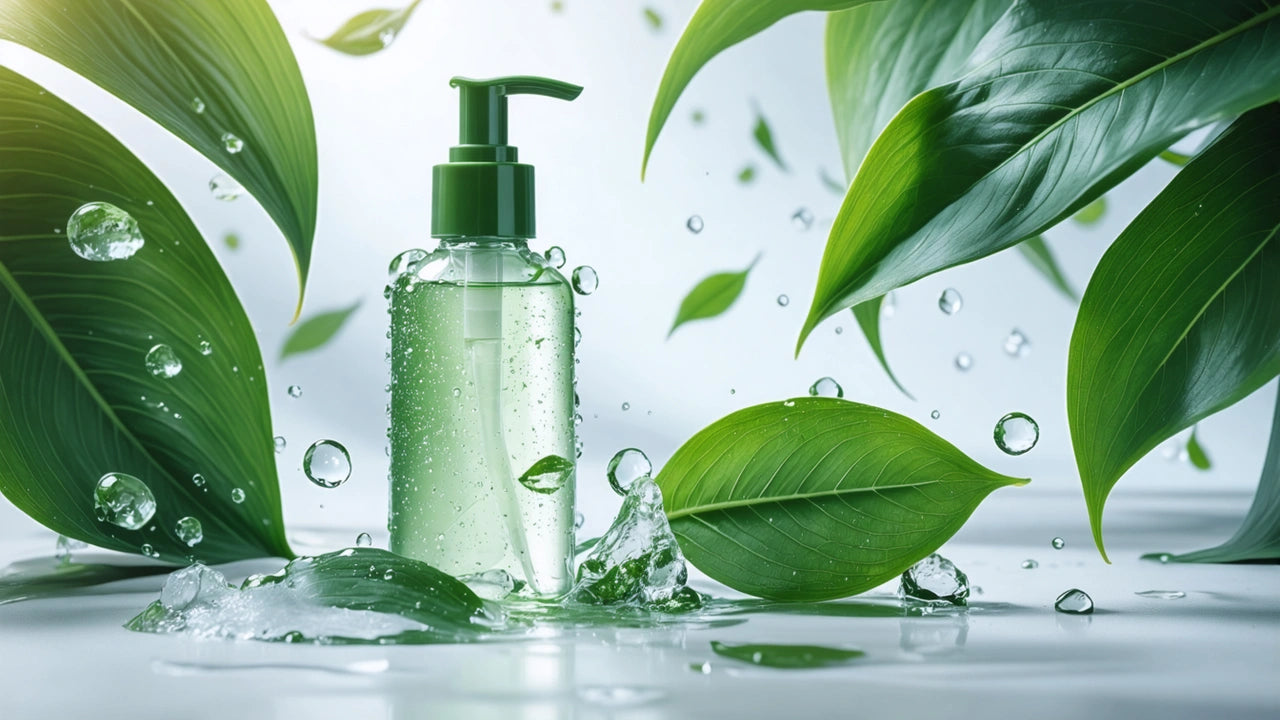
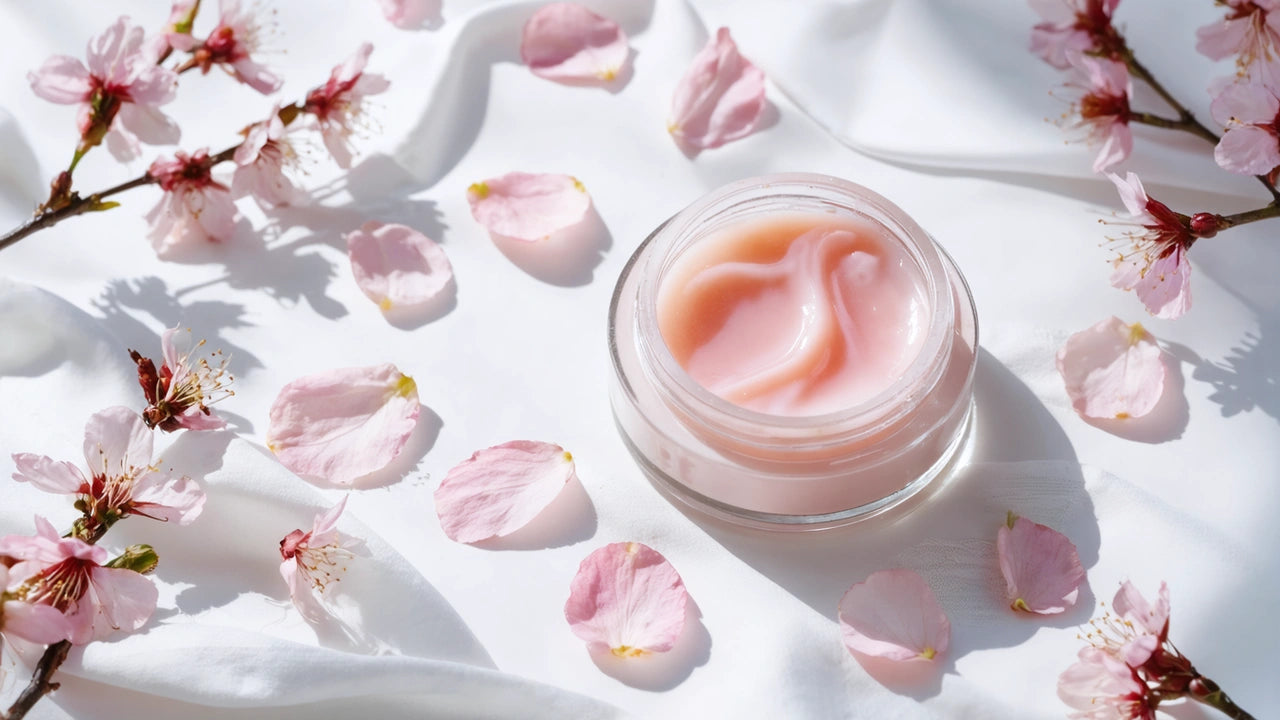
Our Dirt Dissolving Daily Cleansing Balm with Cherry Blossom Radiance is the step-one hero here — it melts fast, smells like a cherry blossom daydream, and rinses clean without any greasy film. For step two, reach for the Gentle Cleansing Gel Face Wash with birch juice enzymes, which clears the last of the day so gently it never leaves skin feeling tight. This pairing is what we call The Quench Botanics Method: melt, emulsify, refresh — thorough but always kind to your barrier.
Does a Cleansing Balm Suit Oily, Humid-Weather Skin?
Yes — and this is the myth we most want to bust. "I have oily skin, so I should avoid oils" sounds logical, but it's the opposite of how a makeup remover balm works. Because oil dissolves oil, a balm actually clears excess sebum and clogged-feeling congestion more gently than harsh foaming cleansers that strip your skin and send oil production into overdrive.
Won't Clog if Rinsed Well
The key is emulsification. Once you add water and the balm turns milky, it rinses away completely — carrying grime with it and leaving nothing behind to block pores. As long as you rinse thoroughly (and follow with your gel wash), oily and combination skin gets all the benefits without the heaviness.
Lightweight Finish
Quench Botanics formulas are built for Indian humidity — breathable, non-sticky, and quick to rinse. That means no monsoon-day slick and no film that clings in the heat. If you're still torn between cleansing formats, our friendly breakdown of cleansing balm vs micellar water helps you pick your perfect first-cleanse. And for busy travel days, a no-rinse option like our micellar water is a handy backup.

What's Your Double-Cleanse Routine Takeaway?
Let's make this effortlessly repeatable so it actually sticks.
Evening Order
Every night, in this order: cleansing balm on dry skin first, emulsify and rinse, then your gentle gel wash. After that, pat on your hydrating toner, serums (snail mucin or niacinamide are humidity heroes) and a lightweight moisturiser. Cleansing well is what lets the rest of your routine truly work.
How Often
Double cleanse at night, especially on days you wore SPF, makeup or spent time in traffic and pollution — which, let's be real, is most days. In the morning, a single water-based rinse is plenty; you don't need the balm before the sun's even up. This simple rhythm keeps your barrier happy across seasons, from sticky monsoons to dry winters.
Frequently Asked Questions About cleansing balm
What is the difference between a cleansing balm and a cleansing oil?
The main difference is texture: a cleansing balm is a solid, buttery balm that melts on contact with warm skin, while a cleansing oil starts as a liquid. Both are oil-based first cleansers that dissolve sunscreen, makeup and sebum, but balms tend to feel more cushiony and travel-friendly since they can't spill. Oils spread faster and can feel lighter, making them popular for very oily skin. In India's humid weather, many people prefer balms for their controlled, mess-free application and comfort
How long does it take to see results from using a cleansing balm?
You'll notice softer, cleaner-feeling skin from the very first use, but visible skin-clarity results usually take about 2 to 4 weeks of consistent double cleansing. Because a cleansing balm removes sunscreen, pollution and makeup that regular cleansers miss, you may see fewer clogged pores and smoother texture within a couple of weeks. Deeper improvements like reduced blackheads and a brighter, more even tone build up over a month as your other actives absorb better on truly clean skin. Consiste
Can I use a cleansing balm with a face wash every day?
Yes, using a cleansing balm followed by a face wash every evening is exactly how double cleansing works and it's safe for daily use. The balm melts away sunscreen, makeup and oily grime, then your water-based face wash clears any remaining sweat and impurities. For mornings, most people skip the balm and simply use a gentle face wash, since there's no sunscreen or makeup to dissolve overnight. If your skin ever feels tight, choose a hydrating face wash for the second step to keep your barrier ha
Is a cleansing balm safe for acne-prone skin?
Yes, a cleansing balm is safe for acne-prone skin as long as you choose a non-comedogenic, emulsifying formula and rinse it off completely. Many acne-prone people worry that oil-based cleansers cause breakouts, but a good balm actually dissolves excess sebum and pore-clogging sunscreen better than water-based cleansers alone. Look for balms that turn milky when mixed with water so nothing lingers on your skin. Always follow with a gentle second cleanse. If you use active treatments like salicyli
What are the benefits of adding a cleansing balm to your skincare routine?
The biggest benefit of a cleansing balm is a deeper, gentler clean that removes stubborn sunscreen, makeup and pollution without stripping your skin. It also gives a relaxing facial-massage moment, boosts blood flow and leaves skin soft rather than tight. Because it clears away the oily layer regular cleansers can't touch, your serums, moisturisers and treatments absorb better afterwards. Over time this means fewer clogged pores, smoother texture and a healthier glow. In humid, polluted Indian c
Shop Quench Botanics
Ready to make taking off the day feel like the best part of it? Melt away sunscreen, makeup and city grime with our Dirt Dissolving Daily Cleansing Balm with Cherry Blossom Radiance — the cherry-blossom-scented step one your humid evenings will love. Pair it with your favourite gel wash and let the double cleanse do the rest. Your glass-skin glow starts with a truly clean slate.