
Yes, cica for acne is one of the gentlest ways to calm breakout-prone skin, especially when Indian humidity, monsoon sweat and helmet straps keep flaring things up. Cica is the nickname for centella asiatica, a leafy botanical used in skincare to soothe the look of redness and help stressed skin feel comfortable again. It won't make a pimple disappear overnight. What it does well is keep your skin calm while your clarifying steps get on with their job.
Quick Answer: Is Cica Good for Acne-Prone Skin?
For most breakout-prone skin, yes, as long as you treat it as support and not as a magic eraser. If your face feels hot, tight or red after a sweaty commute, a long day in a mask or six hours under festive makeup, cica is the ingredient that helps it settle down. Humid Indian summers and sticky monsoons mean more sweat, oil and friction sitting on your skin, and that is exactly when a soothing step pays off.
What it helps with
- Visible redness: cica is valued for calming the look of pink, irritated spots so they look less angry.
- Comfort after friction: it suits skin that has been rubbed by helmet padding, mask edges or phone screens.
- Barrier-friendly routines: it plays well with stronger clarifying steps and helps your routine feel less harsh.
What it doesn't do
Cica is not an exfoliant, and it doesn't unclog pores. It won't promise identical results for everyone either. Persistent, painful or widespread breakouts deserve a proper conversation with a qualified professional, and no single product can stand in for a whole routine.
What Is Cica (Centella Asiatica), in Plain Words?
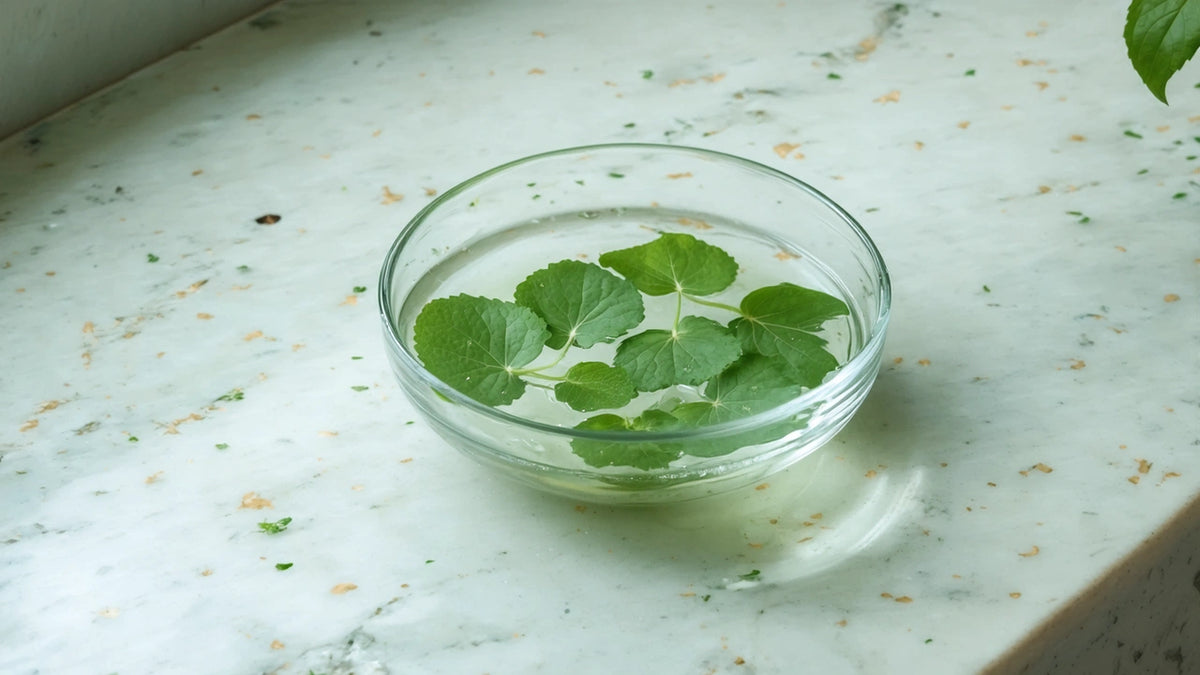
Centella asiatica is a small, creeping green plant that grows in warm, damp places across Asia, including much of India, where some regions know it as mandukaparni. In skincare it shows up as extracts with names like "cica", "tiger grass" or "centella". If you want the long version, our deep-dive on the K-beauty botanical with endless skin benefits covers the full story.
Why K-beauty loves it
Korean skincare thinking puts a calm skin barrier first. Your barrier is simply the outer layer that keeps water in and irritants out. The idea is that calm skin is easier to clarify, brighten and hydrate. Cica fits that idea perfectly: it is gentle, it layers easily, and it turns up in everything from creams to patches to wash-off masks. For Indian skin, which usually sits somewhere between Fitzpatrick types III and V and can be prone to dark marks lingering after a breakout, calming a spot quickly and keeping your hands off it really does matter.
Cica vs tea tree vs matcha: which calming botanical suits you?
For acne-prone skin, cica, or centella asiatica, works as a soothing botanical that calms the look of redness and supports a comfortable skin barrier. It doesn't unclog pores or exfoliate; instead it pairs gently with clarifying botanicals such as tea tree, which targets oily-looking spots, and matcha, which helps congested, dull-looking skin.
| Botanical | Main role | Best for | Watch out for |
|---|---|---|---|
| Cica (centella) | Soothing and comfort | Red, irritated, friction-stressed spots and sensitive skin | Slow, gentle support, not an overnight spot fix |
| Tea tree | Clarifying | Oily skin with active, surface-level spots | Can feel strong on dry or reactive skin, so use it sparingly |
| Matcha | Clarifying and freshening | Congested, dull-looking, pollution-tired skin | Pair with hydration so skin doesn't feel tight |
How Do You Use a Cica Pimple Patch the Smart Way?
A cica pimple patch is the most direct way to bring cica for acne into your day. It puts a soothing layer right on the spot and physically stops you from picking, which is honestly half the battle. On days when you have a cluster of small bumps rather than one angry spot, Matcha Tea Clarifying Acne Patches make a nice swap. For a full walkthrough of sizes, timing and placement, read our pimple patch 101 guide for matcha and cica patches.
Clean, dry skin first
- Wash with a gentle cleanser and pat dry, because patches grip best on skin with no oil or moisture on it.
- Skip serums and moisturiser on that exact spot, since product underneath can stop the patch from sticking.
- Press the patch on with clean fingers for a few seconds so the edges seal in humid air.
- Leave the spot alone. Please don't pop or squeeze it, because that can leave marks that stay long after the bump has gone.
Overnight vs daytime wear
Overnight is the easiest option: nobody sees it, and your pillow can't rub the spot. During the day, a patch works well at home or under a helmet, where it acts as a shield against friction. Follow the wear time on the pack, swap the patch when it lifts or looks used, and put your moisturiser and sunscreen on around it.
Is a Mud Mask Good for Oily Skin on Humid Days?

A mud mask is a lovely reset for oily skin when the air feels like soup and your T-zone shines by lunch. The Mama Cica Mud Dipping Sheet Mask combines a mud-style mask with cica, so you get that fresh, less-greasy feel without your skin feeling stripped. It's a good fit after a sweaty wedding sangeet, a long day under heavy makeup or a monsoon commute. Curious how it compares with other formats? Our guide to bubble, classic and mud dipping sheet masks breaks down which suits you.
How often
Start with one mask night a week and see how your skin responds. Oily skin in peak humidity may like it a little more often, while combination or sensitive skin may prefer it less. Always follow the wear time on the pack. Leaving a mud mask on longer doesn't make it work better, and it can leave skin feeling tight.
What to apply after
Mud-style masks can leave oily skin feeling thirsty underneath, so always follow with hydration. Pat in a lightweight serum, then a gel-cream moisturiser to lock it in. Even in humid weather, skipping moisturiser can push oily skin to feel greasier, and AC offices dry everyone out by evening.

A light, bouncy option like the 92% Snail Mucin Collagen Boost Moisturizer with Niacinamide & Hyaluronic Acid works nicely after a mask night, because it hydrates without feeling heavy.
Can You Layer Cica with Niacinamide and Birch?
Yes. Cica with niacinamide is a lovely calm-plus-clarify combination, and birch adds a gentle soothing layer on top. The golden rule is to introduce one new active at a time and patch-test each one first. Try a small amount behind your ear or along your jawline for a few days before using it on your whole face. The Birch Please Skin Soothing Clarifying Serum is an easy daily pairing for cica patches and masks. If you also want to work on evenness and leftover marks, the Cherry Blossom Glass Skin Serum With 10% Niacinamide and Hyaluronic Acid is your brightening step. Start with each one on its own, and only combine them once your skin is happy with both.
Oily and acne-prone
- Morning: gentle cleanser, then a clarifying serum, then a light moisturiser, then sunscreen, so you stay fresh through humidity and commute pollution.
- Evening: cleanse, niacinamide serum, moisturiser, then cica patches on any active spots.
- Weekly: one cica mud mask night in place of your serum step.
Sensitive and reactive
Keep things minimal: a gentle cleanser, one soothing serum and a comforting moisturiser. Bring in niacinamide slowly, using it every other night at first. For a softer, cream-based approach, our calm-skin guide to cica cream for sensitive skin in India goes deeper. Hard water can leave reactive skin feeling tight, so a creamy cleanser and a quick pat dry help.
Men's 3-step version
Short on patience? Fair. Here are three steps for oily, breakout-prone skin:
- Cleanse morning and night with a gentle, hydrating face wash such as the Rice Water Hydrating Cream Face Wash, especially after gym or helmet time.
- Apply one serum: birch for soothing and clarifying, or the 10% niacinamide serum for oil-looking shine and evenness. Pick one to start with.
- Finish with a lightweight moisturiser at night and the Ultra Light SPF 50+ PA++++ Sunscreen in the morning. Stick a cica patch on any surprise spot before bed.
Cica for acne-prone skin works best as part of this kind of steady, simple routine rather than as an emergency fix.
Frequently Asked Questions About cica for acne
What does cica do for irritated skin?
Cica, short for Centella asiatica, is a soothing plant extract that helps calm the look and feel of irritated, stressed skin. It is widely used in Korean skincare to ease redness, tightness and that angry, sensitive feeling after sun, sweat or over-exfoliating. For breakout-prone skin, it supports a comfortable skin barrier so your actives feel gentler. It is a calming helper, not a medical treatment, so see a dermatologist for painful, persistent or severe flare-ups.
Is cica good for acne-prone skin?
Yes, cica is generally a good fit for acne-prone skin because it soothes redness and irritation without feeling heavy. Breakout-prone skin often gets stressed by strong actives, heat and humidity, and cica helps keep it calmer through all that. It will not replace targeted acne care, but it pairs nicely with it. As with any new product, patch test on your jawline or behind the ear for a day or two first, especially if your skin is very reactive.
Can you use cica with niacinamide?
Yes, cica and niacinamide work well together in the same routine. Niacinamide is popular for oil balance and looking after the skin barrier, while cica adds a calming layer. Apply the thinner, water-like product first, then the richer one, and give each a minute to settle. Start with one new product at a time, and introduce the second after a few days so you can spot any sensitivity. If skin stings or turns red, pause and simplify.
What is the difference between cica and tea tree for breakouts?
Cica is mainly a calming ingredient, while tea tree is typically used for its purifying, spot-focused reputation. Cica suits skin that feels red, sensitive or over-treated, and tea tree is often chosen for occasional blemish spots. Tea tree can be drying or irritating for some people, so use it sparingly and patch test first. Many people with breakout-prone skin use both: tea tree on a spot, cica across the face to keep comfort levels up.
How long does it take to see results from cica?
You may notice skin feeling calmer within a few days, but visible changes in how your skin looks usually take a few weeks of consistent use. Cica works by soothing, so comfort and less visible redness tend to show up before anything else. Use it daily, keep the rest of your routine steady, and avoid adding many new products at once. If breakouts persist or worsen after about six to eight weeks, check in with a dermatologist.
Shop Quench Botanics
Ready to give cica for acne a calm, practical try? Pop a strip of Zit Away Acne Treatment Patches with Cica Herb Repair in your bag for surprise breakout days, from sweaty commutes to the morning of a cousin's wedding. Patch-test anything new first, keep your hands off your spots, and let your skin settle in its own time.