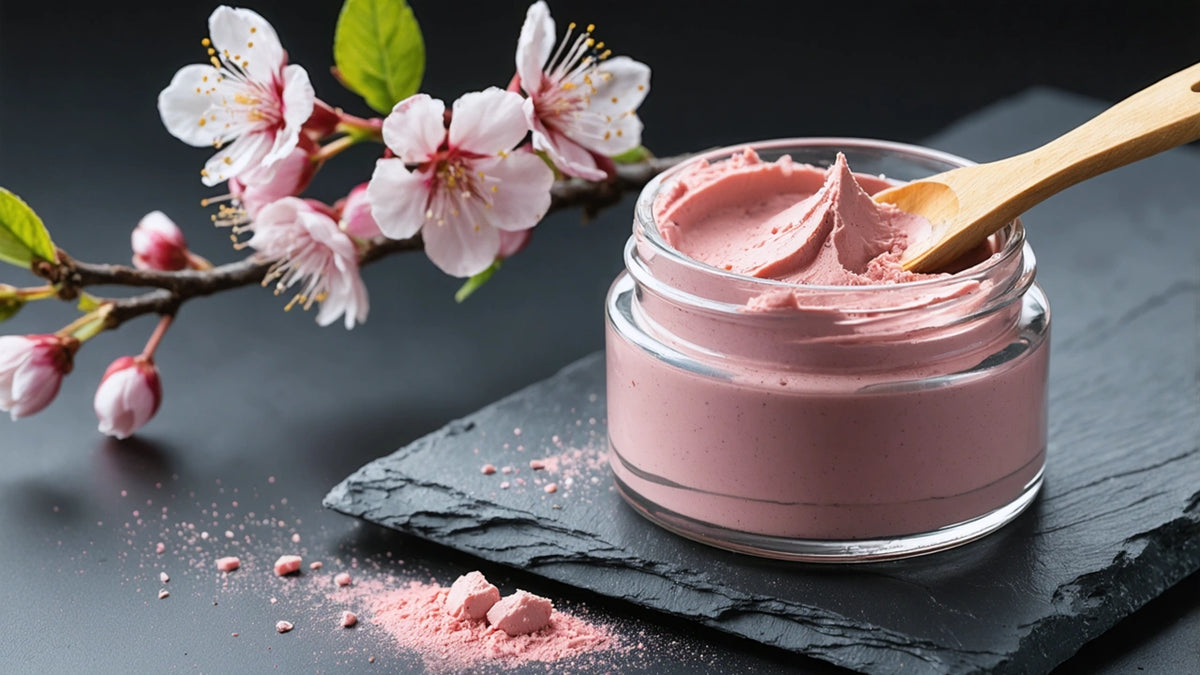

How often should you use a brightening pink clay mask? If your skin is oily or combination and you live in humid Indian weather, once or twice a week is plenty. Dry or sensitive skin does better with once every week or two, and often only on the T-zone. A brightening pink clay mask is a wash-off mask made with soft pink clay that soaks up excess oil and helps clear surface congestion. Ours pairs that clay with Cherry Blossom Radiance for a fresher, more even-looking glow. If your skin looks a little dull and tanned after summer, it's a lovely weekly reset. Just don't overdo it.
Quick Answer: How Often Should You Use a Brightening Pink Clay Mask?
Use a pink clay mask once or twice a week if your skin is oily or combination, especially in humid weather. Normal skin usually needs it once a week. Dry or sensitive skin should mask once every week or two, ideally only on the oily T-zone. Always rinse before it cracks and moisturise straight after.
Those are starting points, not rules. Your skin's response is the real guide, so watch how it feels the morning after a mask night.
Oily and combination
Monsoon sweat, sticky afternoons and commute grime can leave oily skin feeling heavy by evening. One or two mask nights a week can help your face feel fresher and less greasy. The rest of your routine still matters, though. Clay doesn't replace a light daily moisturiser, and skipping moisture can make oily skin feel tight and unsettled. If you're unsure what to use on non-mask days, this guide to choosing an oil-control moisturiser for oily, humid-weather skin walks you through the options.
Dry and sensitive
If your skin flakes, stings easily or feels parched from office AC, go gently. Mask once every week or two, keep the layer thin, and stick to the areas that actually get oily, usually the nose, chin and centre of the forehead. Leave your cheeks out completely.
What Do Pink Clay and Cherry Blossom Radiance Actually Do?
Pink clay is a soft, fine-textured cosmetic clay that gets its rosy colour from naturally occurring minerals. It's usually thought of as gentler than stronger, more drying clays. In a wash-off mask, its job is fairly simple. It soaks up excess oil, lifts away surface buildup and leaves skin feeling clean and smooth.
Oil and blackhead support
When you use a pink clay mask for blackheads, the clay draws up excess oil on the surface and helps loosen the mix of sebum and debris sitting in pores. That can make blackheads and congestion look less obvious after you rinse. Be clear about the limits, though. Clay cannot permanently change your pore size, and blackheads come back as your skin keeps making oil, so a consistent routine matters more than any single mask night.
Indian skin, typically Fitzpatrick types III to V, often deals with oiliness in humid months and with marks that linger after breakouts. That's why a gentle, non-scrubby clay suits so many routines here. It lifts oil without the friction that can leave skin irritated.
Brightening, not lightening
Here, brightening means radiance and evenness. It's about skin that looks fresh and glowy, never about changing your natural skin tone. After summer, tanned skin often also looks dull because of buildup: sweat, dust, layers of sunscreen and, in many homes, mineral film from hard water. A pink clay mask for de-tan days helps lift that dull surface layer, so skin looks clearer and more luminous once you've rinsed.
Cherry Blossom Radiance is the cherry blossom-led blend that runs through our brightening range. It's included for that fresh, radiant finish. Think of the clay as the cleanser of the duo and the cherry blossom as the glow note. Neither one does the job of daily sunscreen, though, and sunscreen is the step that actually protects against new tanning.
How Do You Apply a Pink Clay Mask Step by Step?
Technique matters as much as frequency. Follow this order on mask night:
- Cleanse gently. Wash with a soft, non-stripping cleanser and pat your face until it's mostly dry.
- Apply a thin layer. Spread an even, see-through-thin coat, avoiding your eyes, lips and any broken or irritated skin.
- Rinse before it fully cracks. Wash it off with lukewarm water once the edges lighten but the centre still feels slightly soft.
- Mist straight away. Rehydrate damp skin with a hydrating face mist within a minute of patting dry.
- Moisturise to seal. Finish with a moisturiser that suits your skin type to lock everything in.
Prep with a gentle cleanse
Clay works best on clean skin, but harsh foaming washes before a mask can leave you feeling stripped. A creamy cleanser like the Rice Water Hydrating Cream Face Wash clears away sunscreen and the day's grime while leaving some comfort behind. That's especially useful if hard water already leaves your face feeling tight. Pat dry, but don't rub.
Thin layer, don't let it over-dry
A thick layer doesn't make the mask work better. It just takes longer to dry and is harder to rinse. Smooth on a thin coat with clean fingers or a brush. Leave it on until the edges turn lighter, then rinse while the centre is still a little soft. If you let clay crack all over, it can pull too much moisture out of your skin, and that's when you get the tight, papery feeling that oily skin sometimes answers with even more shine.
Mist and moisturise after
The first minute after rinsing is your best chance to rehydrate. A quick spritz of the Brightening Face Mist Toner with Cherry Blossom Radiance puts water back into the skin and keeps the glow theme going.

Then seal it in. The 92% Snail Mucin Collagen Boost Moisturizer with Niacinamide & Hyaluronic Acid layers easily over damp skin and feels cushiony without being heavy. Snail mucin is a slippery, humectant-rich ingredient that helps skin hold onto water. If you're torn between a regular moisturiser and something richer for mask nights, this breakdown of night cream vs moisturiser for Indian skin will help you choose. Lips often feel dry after a clay session too, so a lip sleeping mask is a nice final step before bed.

Is Pink Clay Better for Oily Skin or Dry Skin? Multi-Masking Forks
Pink clay suits oily skin most naturally, but dry skin can use it too with a smarter approach. Multi-masking simply means putting different masks on different parts of your face at the same time, so each zone gets what it needs.
T-zone only for dry skin
If you're using pink clay on dry skin, apply it only where you get shine or congestion, usually your nose, chin and between your brows. Keep your cheeks and the area around your eyes bare, or cover them with a hydrating layer of moisturiser while the clay does its thing. During the switch from monsoon to winter, or in long AC hours, you may want to mask even less often. Your skin will tell you. If it feels tight or itchy the next day, add more time between mask nights.
Men with oily, breakout-prone skin
Want a routine that's simple and still works? Keep three daily steps: a gentle cleanse, a lightweight moisturiser and a broad-spectrum sunscreen every morning. Then add pink clay once or twice a week on the nose, forehead and chin, the places where shine and blackheads build up after a sweaty commute. If you shave, mask on a different evening from shaving, because freshly shaved skin can be more reactive. Leave out inflamed, painful breakouts and work around them.
Which Mistakes Make Clay Masks Backfire?
Most "this mask broke me out" or "this made me so dry" stories come down to how the mask was used, not the clay itself. Two mistakes cause most of the trouble.
Scrubbing before masking
Using a grainy scrub right before clay doubles up on friction and oil-stripping. Skin can end up red, tight and more sensitive than it was before. Pink clay already gives you a smooth, polished feel, so let it be your exfoliating moment for that night. Skip scrubbing brushes, rough towels and vigorous rubbing when you rinse. Gentle splashes are enough.
Stacking actives the same night
Mask night isn't the time to also use strong acid exfoliants, retinoids or a new active you're testing. Keep the evening simple: clay, mist, moisturiser. Introduce any new active on its own, on a different night, so you know what your skin is reacting to. If you're not sure which serum is gentle enough for the night after a mask, this guide to the Quench serum range by skin type sorts it out. Curious about pores specifically? Here's an honest look at what pink clay can and can't do for pores.
And always patch-test first. Dab a little on your inner arm or along your jawline, leave it for the usual time, rinse, and check over the next day before you use it on your whole face.
Frequently Asked Questions About brightening pink clay mask
What is a brightening pink clay mask?
A brightening pink clay mask is a wash-off face mask built on a gentle, pink-toned clay base, usually paired with skin-friendly botanicals to help skin look fresher and more even. Pink clay is typically milder than darker clays, so it suits people who want a clearing, glow-boosting treat without a harsh, tight finish. Think of it as a weekly reset for dullness and congestion, not an overnight fix. It works best on clean skin and is always followed by moisturiser.
How do you remove a clay mask without drying out your skin?
Remove a clay mask while it is still slightly tacky, not fully cracked and dry. Wet your fingertips or a soft cloth with lukewarm water, soften the mask, then massage in small circles before rinsing. Avoid scrubbing or peeling it off dry, as that can irritate skin. Pat your face dry with a clean towel, then follow straight away with a hydrating serum or toner and a moisturiser to lock in water. This keeps skin comfortable and soft after masking.
Is a pink clay mask safe for sensitive skin?
Pink clay is generally considered one of the gentler clays, but sensitive skin should still patch test first. Dab a small amount on your inner forearm or behind the ear, wait 24 hours, and check for redness, itching or stinging. If it's fine, start with a short 5 to 8 minute application once a week and rinse before it dries completely. Skip it on broken, sunburnt or freshly exfoliated skin, and stop using it if irritation appears.
What is the difference between pink clay and green clay masks?
Pink clay is usually gentler and aimed at brightening and soft cleansing, while green clay is typically stronger at absorbing oil and suits very oily, congested skin. Pink clay tends to leave skin feeling less tight, making it a friendlier pick for normal, combination or sensitive-leaning skin. Green clay can feel more drying if left on too long. If you are unsure, begin with pink clay and use a stronger clay only on oily zones.
How long does it take to see results from a pink clay mask?
You may notice skin looking fresher and feeling smoother right after your first mask, but visible brightness usually builds over three to four weeks of consistent weekly use. Clay mainly lifts surface oil and dullness, so results are about clarity and glow rather than dramatic change. Pair it with daily sunscreen, gentle cleansing and moisturiser for the best outcome. Patience matters: using it more often will not speed things up and may irritate skin.
Shop Quench Botanics
Your next step is easy. Pick one evening this week, maybe Sunday, when the week's sweat and sunscreen have built up, and give your skin a Brightening Pink Clay Mask with Cherry Blossom Radiance night. Patch-test first, keep the layer thin, then mist and moisturise. The next morning, note how your skin feels: fresher, softer, or a little tight. Then adjust how often you mask from there.