If you're searching for a vitamin C serum for pigmentation Indian skin can actually tolerate without redness, stinging, or that frustrating orange-tinge oxidation by week three — Yuzu Vitamin C is the answer most dermatologists are quietly recommending. A vitamin C serum for pigmentation is a topical antioxidant treatment that inhibits melanin overproduction (via the tyrosinase enzyme), fades sun-induced tan, and lifts post-inflammatory dark spots. The catch? Pure ascorbic acid — the form most Indian shelves still push — is notoriously unstable in our heat and humidity. Yuzu extract, a Japanese citrus rich in naturally buffered vitamin C, gives you the same brightening payoff with far less drama on melanin-rich skin.

Why Indian Skin Needs Vitamin C More Than Any Other Brightener
Here's the honest truth: Indian skin doesn't pigment because something is wrong with it. It pigments because melanin is doing its job — protecting you from one of the highest UV indexes in the world. The problem is when that protective response goes into overdrive and leaves tan lines, dull patches, and dark spots that linger for months.
Sun exposure, pollution, and melanin: India's pigmentation perfect storm
Most Indian skin sits within Fitzpatrick Types III to V — melanin-rich, resilient, and prone to two specific concerns: UVA-driven tanning and post-inflammatory hyperpigmentation (PIH) after acne, waxing, or even a mild rash. Add PM2.5 pollution in metros like Delhi, Mumbai and Bengaluru, and you have free-radical damage stacking onto sun damage daily. A 2019 review in the Indian Journal of Dermatology noted that pigmentary disorders account for nearly one in three dermatology consultations across South Asia — making targeted brightening not a luxury, but a baseline need.
What Vitamin C actually does to dark spots
Vitamin C works on pigmentation through three mechanisms: it inhibits tyrosinase (the enzyme that converts tyrosine into melanin), it neutralises UV-induced free radicals before they signal more melanin production, and it supports collagen turnover so old, pigmented cells shed faster. Cosmetic scientists note that consistent daily use over 8–12 weeks is what actually moves the needle — not stronger concentrations used sporadically. Which is exactly why a serum you can tolerate every day matters more than one that's technically "more potent" but sits unused after a week of stinging.
Yuzu Vitamin C vs Ascorbic Acid: What's the Real Difference?
Yes, for Indian skin specifically: Yuzu Vitamin C is more stable in heat and humidity, gentler on melanin-rich Fitzpatrick Type III–V skin, and less likely to cause irritation, making it more effective for daily use tan removal and brightening. Ascorbic acid oxidises faster in tropical climates and can trigger inflammation that worsens pigmentation in deeper skin tones.
Why ascorbic acid is unstable in Indian heat and humidity
Pure L-ascorbic acid needs a pH below 3.5 to penetrate the skin — that low pH is also what makes it sting. Worse, the moment ascorbic acid meets oxygen, light, or temperatures above 25°C, it begins oxidising into dehydroascorbic acid and eventually erythrulose, which can actually cause a yellow-orange skin stain. If your vitamin C serum has turned dark amber in your bathroom, it's no longer brightening — it's potentially pigmenting.
How Yuzu extract delivers Vitamin C more gently
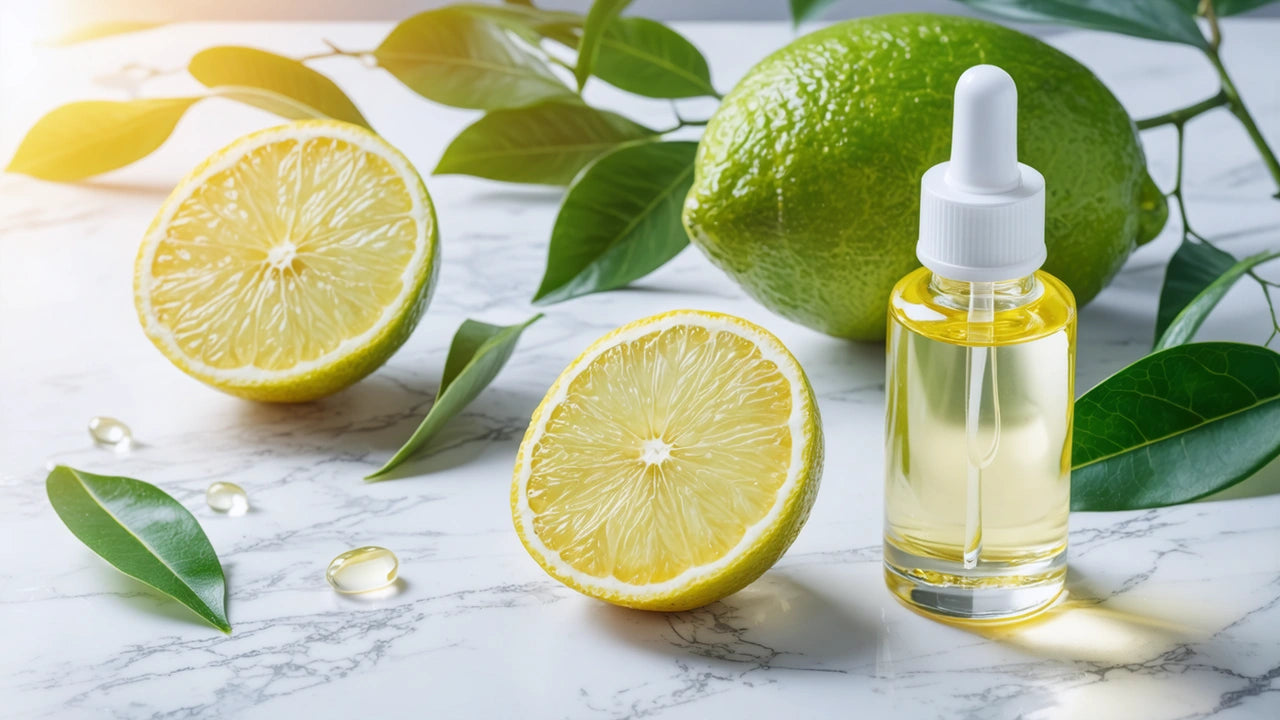
Yuzu (Citrus Junos), a Japanese citrus prized in K-beauty, contains vitamin C bound within a matrix of bioflavonoids — hesperidin and naringin — that act as natural stabilisers. This means the vitamin C is released gradually as your skin metabolises the extract, mimicking a slow-release delivery system. Research published in the Journal of Cosmetic Dermatology has shown that bioflavonoid-buffered vitamin C maintains antioxidant activity 3x longer than free L-ascorbic acid under elevated temperature conditions.
Stability and pH: the science of why Yuzu wins in summer
Yuzu-based formulations typically sit at a comfortable pH of 4.5–5.5 — close to skin's natural acid mantle. That's gentler on the barrier, kinder to acne-prone skin, and far less likely to provoke the inflammatory cascade that triggers PIH in deeper tones.
| Parameter | L-Ascorbic Acid | Yuzu Vitamin C |
|---|---|---|
| Stability in heat >25°C | Poor — oxidises in weeks | Excellent — bioflavonoid-buffered |
| pH range | 2.5–3.5 (acidic, can sting) | 4.5–5.5 (skin-friendly) |
| Risk of irritation on Fitzpatrick III–V | Moderate to high | Low |
| Daily-use friendly | Often no | Yes |
| Pairs with niacinamide | Tricky at low pH | Yes, comfortably |
Yuzu Vitamin C for Tan Removal: How It Works on Indian Skin
Tan removal is probably the single most-searched skincare query in India between March and September — and for good reason. But not all "tan" is the same, and treating it correctly is the difference between three weeks to glow and three months of frustration.
UVA-induced tan vs post-inflammatory hyperpigmentation
A UVA tan is a uniform deepening of skin tone caused by melanin redistributing to protect deeper layers — it usually fades within 4–6 weeks of consistent vitamin C + SPF use. PIH, on the other hand, is patchy, follows acne or injury, and lives in the deeper dermis. It needs longer treatment (8–16 weeks) and benefits from layering Yuzu with niacinamide. If you want a deeper protocol, our guide on the Vitamin C serum for tan removal in Indian summer walks through both scenarios in detail.
How long does Yuzu Vitamin C take to fade a tan?
Realistic expectations matter. Most users see visible brightness within 2–3 weeks, even tone returning around week 4–6, and PIH softening between weeks 8 and 12. The non-negotiable: pair every morning serum with an SPF 50 PA+++ sunscreen, otherwise you're treating tan while creating fresh tan. For a deeper layered approach to under-eye darkness — another stubborn Indian skin concern — a Yuzu eye cream is a smart add-on.

The Quench Botanics Yuzu Vitamin C Range: Face Wash, Serum, and Sheet Mask
The Quench Botanics Method for brightening is built around layered delivery — vitamin C touches your skin in three formats across the week, so the active is always working but never overwhelming. Here's how the Yuzu range fits together.
Yuzu face wash: brightening step 1
Cleansing with vitamin C primes skin to absorb everything that follows. The Foaming Face Wash with Yuzu Vitamin C uses a gentle amino-acid surfactant base so it lifts pollution and SPF residue without stripping the barrier — crucial for Indian skin that's already managing humidity and sebum.
Yuzu serum: concentrated brightening power
The serum is where the heavy lifting happens. A few drops massaged onto damp skin, morning and night, delivers concentrated Yuzu extract to the deeper layers where melanin is being produced. This is the step that drives the visible 4–6 week change.
Cherry Blossom sheet mask: the weekly brightening boost
Once or twice a week, the Brightening & Skin Clarifying Sheet Mask with Cherry Blossom Radiance floods skin with brightening botanicals in a 20-minute occlusive session — think of it as a deep-conditioning treatment for tone. For an instant glow before an event, the Yuzu Instaglow sheet mask is the K-beauty hack that delivers visible radiance in a single use.

How to Build a Vitamin C Routine for Indian Skin
The best routine is the one you'll actually do — so we're keeping this short and sustainable. If you want a more comprehensive walk-through, our Summer Skincare Routine for Oily Skin India guide layers in monsoon adjustments too.
Morning routine: Yuzu face wash → serum → SPF
- Cleanse with the Yuzu foaming face wash to wake skin up and clear overnight oils.
- Apply 3–4 drops of Yuzu Vitamin C serum to damp skin and press in.
- Layer a lightweight moisturiser, then finish with SPF 50 PA+++ — non-negotiable, even indoors near windows.
- Optional: a swipe of Brightening Lip Oil with Yuzu Vitamin C for lips that match the rest of your glow.
Evening routine: cleanse + targeted treatment
- Double cleanse — oil cleanser or balm first, then Yuzu face wash.
- Apply Yuzu serum (or alternate with niacinamide every other night for PIH).
- Lock in with a barrier-supporting moisturiser. Sleep, repeat.
Indian climate context: in coastal humidity (Mumbai, Chennai, Kochi), keep textures lightweight and store your serum away from bathroom heat. In drier zones (Delhi winter, Pune dry season), layer a richer moisturiser over the serum to avoid trans-epidermal water loss.
Frequently Asked Questions About vitamin C serum for pigmentation Indian skin
Can I use vitamin C serum with niacinamide on Indian skin?
Yes, you can absolutely layer vitamin C serum with niacinamide — modern formulations have proven the old 'they cancel each other out' myth wrong. For Indian skin dealing with pigmentation, dullness, and oiliness, this duo works beautifully: vitamin C (especially gentler forms like Yuzu) brightens and fades dark spots, while niacinamide controls oil, minimises pores, and strengthens the skin barrier. Apply vitamin C first on clean skin, wait 30 seconds, then layer niacinamide. If your skin is sen
How long does it take to see results from a vitamin C serum?
Most people see visible brightening and a more even skin tone within 4 to 8 weeks of consistent daily use. Surface radiance often shows up in the first 2 weeks, but stubborn pigmentation, sun tan, and acne marks need a full skin cycle (28 days) — sometimes two or three — to fade meaningfully. Results depend on your formula's strength, how regularly you apply it, and crucially, whether you wear sunscreen daily. Skip SPF and you'll undo every bit of progress your vitamin C serum is making.
Is vitamin C serum safe for sensitive Indian skin?
Vitamin C serum is safe for sensitive Indian skin when you choose the right form and concentration. Pure L-ascorbic acid at high percentages (15–20%) can sting, redden, or trigger breakouts in reactive skin. Gentler derivatives like Yuzu-derived vitamin C, sodium ascorbyl phosphate, or magnesium ascorbyl phosphate deliver brightening benefits without the irritation. Start with a lower concentration, patch test behind your ear for 48 hours, and use it every alternate morning before scaling up to
Should I use vitamin C serum in the morning or at night?
Morning is the ideal time to use vitamin C serum because it acts as an antioxidant shield against pollution, UV damage, and free radicals — all major triggers of pigmentation on Indian skin. Apply it after cleansing and toning, then lock it in with moisturiser and a broad-spectrum SPF 50. That said, you can use it at night too, especially if you're layering with retinol or exfoliating acids on alternate evenings. Just don't use vitamin C and strong acids in the same routine — space them out to a
What percentage of vitamin C is best for Indian skin?
For most Indian skin types, a vitamin C concentration between 10% and 15% offers the sweet spot — effective enough to fade pigmentation and tan, gentle enough to avoid irritation. Beginners and sensitive skin should start at 5–10%, while seasoned users can move up to 15–20% for stubborn dark spots. Higher isn't always better: above 20%, the skin can't absorb extra vitamin C and risks of redness or breakouts go up. Botanical forms like Yuzu vitamin C work effectively at lower percentages because
Can vitamin C serum cause purging or breakouts?
Pure vitamin C in high concentrations can occasionally trigger temporary breakouts, especially in oily or acne-prone Indian skin, but this is usually a reaction — not true purging. The culprit is often the low pH of L-ascorbic acid or comedogenic carrier ingredients in the formula, not the vitamin C itself. If you break out, switch to a gentler derivative like Yuzu vitamin C or sodium ascorbyl phosphate, which are non-irritating and won't clog pores. Introduce the serum slowly — twice a week fir
Shop Quench Botanics
Ready to swap stinging ascorbic acid for the gentler, brighter glow Indian skin actually responds to? Start your Yuzu ritual with the Foaming Face Wash with Yuzu Vitamin C as your daily brightening cleanse, and let Quench Botanics walk your skin from tan-tired to lit-from-within over the next 6 weeks. Real botanicals, real results, no irritation tax.