Tinted Sunscreen for Indian Skin: Why Your SPF Should Do Double Duty
If you've ever swiped on sunscreen and looked back at a ghostly grey reflection, you're not alone — and tinted sunscreen for Indian skin tone is finally the fix. Tinted sunscreen is a daily SPF formula infused with cosmetic-grade iron oxide pigments that blend into melanin-rich skin while blocking both UV rays and visible light. Unlike regular sunscreen, it leaves zero white cast, evens out tone, and protects against the visible light wavelengths that trigger stubborn pigmentation on Fitzpatrick III–V Indian complexions. Think of it as the love child of your SPF and your foundation — only smarter, lighter, and far kinder to your skin barrier.

Tinted sunscreen is better than regular sunscreen for Indian skin because iron oxide pigments in tinted formulas block visible light — a key driver of hyperpigmentation in melanin-rich complexions. Regular sunscreens only block UV rays. Tinted SPF also provides a natural skin-tone finish without the white cast common in mineral-only formulas.
The White Cast Problem: Why Indian Skin Has Been Avoiding SPF
Let's be honest — a generation of Indian skincare lovers grew up skipping sunscreen because every formula made them look like they'd dipped their face in chalk. That frustration isn't vanity; it's a formulation failure. Most legacy sunscreens were developed and tested on fair, Fitzpatrick I–II skin in cooler Western climates, leaving deeper Indian complexions with patchy, ashy, grey-toned coverage that no amount of blending could rescue.
Mineral vs chemical vs tinted sunscreen — what's the difference?
- Mineral sunscreens rely on zinc oxide and titanium dioxide. They sit on the skin's surface and physically deflect UV — but their white particles are the #1 culprit behind cast on brown skin.
- Chemical sunscreens use organic UV filters (like avobenzone or Tinosorb) that absorb UV. They're invisible on skin but offer no visible light protection, which matters enormously for melanin-rich complexions.
- Tinted sunscreens layer iron oxide pigments over either base. The pigments neutralise white cast, match deeper tones, and crucially, block visible light wavelengths that pure UV filters miss.
Why traditional sunscreens were never formulated for darker skin tones
Visible light damage in melanin-rich skin is the irradiation of skin by 400–700nm wavelengths (the light you can see, including indoor light and screen glare) that activates melanocytes and worsens pigmentation. Research published in the Journal of Investigative Dermatology demonstrated that visible light induces sustained pigmentation in Fitzpatrick IV–VI skin, but not in lighter Fitzpatrick I–II skin. In other words, the very damage Indian skin is most vulnerable to was the damage older sunscreens were never designed to prevent.
What Makes Tinted Sunscreen Different for Indian Skin Tones?
Tinted SPF isn't a beauty gimmick — it's a science-backed upgrade specifically suited to melanin-rich skin. The hero is a humble mineral pigment that does heavy lifting most consumers have never heard of: iron oxide.
Iron oxide: the ingredient that blocks visible light for melanin-rich skin
Dermatologists recommend iron-oxide-tinted SPF for patients with melasma, PIH, and post-acne marks because no chemical or mineral UV filter alone covers the visible light spectrum. A 2020 clinical study cited in Photodermatology, Photoimmunology & Photomedicine showed that sunscreens containing iron oxides plus zinc oxide outperformed zinc-only sunscreens at preventing melasma recurrence — a condition that disproportionately affects Indian women in their 20s, 30s, and 40s. If you've been chasing pigmentation with serums alone, you've been mopping the floor while the tap is still running.
How tinted SPF also protects against indoor blue light and pollution
Iron oxides don't discriminate between sunlight and your laptop screen. They shield against the blue light spilling from devices and overhead LEDs — the kind of low-grade, all-day exposure that adds up to dullness and slow-creeping pigmentation. Many tinted formulas (including Quench Botanics' avocado-based SPF) also include antioxidants like vitamin C and E to neutralise pollution-driven free radicals, which is non-negotiable for anyone living through Delhi winters or Mumbai monsoons.
Tone-matching tints for deeper Indian complexions
A well-formulated tinted sunscreen uses a warm, universal beige-to-caramel pigment blend that oxidises slightly on contact to settle into your natural undertone. The result on Indian skin? A soft-focus, my-skin-but-better finish — no muddy patches, no orange edges, no chalky residue around the hairline.

Tinted Sunscreen vs Regular Sunscreen: Which Is Better for Indian Skin?
If you're weighing tinted SPF vs regular SPF in India, the honest answer is that tinted wins on almost every metric that matters for melanin-rich skin. A quick side-by-side makes it clear.
| Feature | Regular Sunscreen | Tinted Sunscreen |
|---|---|---|
| UVA + UVB protection | Yes | Yes |
| Visible light protection | No | Yes (via iron oxides) |
| White cast on Indian skin | Common with mineral formulas | None — tone-adapting |
| Pigmentation benefit | Preventive only | Preventive + visibly evens tone |
| Replaces light foundation | No | Often yes |
Side-by-side comparison: protection, finish, and pigmentation benefit
For deeper context on formulation differences, our breakdown of tinted sunscreen vs regular sunscreen for Indian skin walks through filter chemistry, finish, and reapplication trade-offs in detail. The short version: if you're managing melasma, PIH, or post-acne marks, tinted is the more therapeutic choice.
When to choose tinted over untinted SPF
Choose tinted if you have visible pigmentation, melasma, post-acne marks, or simply want a one-step morning routine. Stick with untinted if you wear heavy foundation that would compete with the tint, or if you need an ultra-sheer SPF for layered makeup. To prep a brighter canvas before SPF, our Cherry Blossom Glass Skin Serum with Niacinamide layers beautifully under tinted formulas — niacinamide also quietly supports the pigmentation-fighting work iron oxides do above.
How to Apply Tinted Sunscreen on Indian Skin for a Natural Finish
Tinted SPF only works if you actually use enough of it — and most of us radically under-apply. Here's the realistic, Indian-summer-tested method that gets you full protection and a finish you'll actually want to wear.
How much to apply for full SPF coverage
Cosmetic scientists note that you need roughly two finger-lengths (approximately 1.2g) of product to achieve the SPF rating on the bottle for your face and neck. Less than that and you're effectively wearing SPF 15 from an SPF 50 bottle. Dispense, dot across forehead, cheeks, nose, chin, and down the neck, then press and gently buff in circular motions.
Layering tinted SPF under or instead of foundation
On no-makeup days, tinted SPF is your full base. On dressier days, apply your full dose first, let it settle for 60–90 seconds, then tap a sheer foundation or concealer only where needed. Avoid mixing foundation into your SPF — it dilutes the protection.
Reapplication tips for Indian summer heat
Reapply every two hours outdoors, or every 90 minutes if you're sweating heavily. The Quench Botanics Method for hot, humid Indian climates: blot first with tissue (not powder), then press a second pea-sized layer onto high points — cheekbones, nose bridge, forehead. A travel-sized tinted SPF in your bag turns reapplication from a chore into a refresh.

Quench Botanics Avocado Tinted Sunscreen: Botanical SPF for Indian Skin
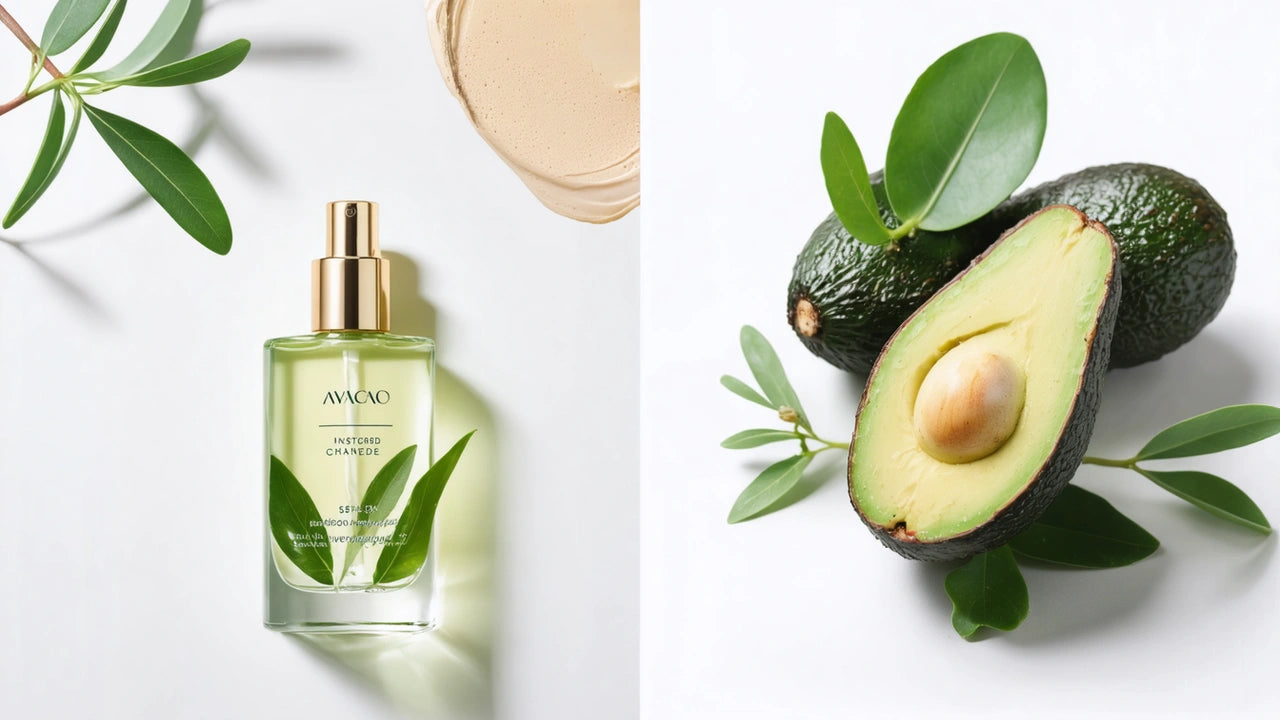
Our Ultra Light SPF 50+ PA++++ Sunscreen with Avocado, Vitamins C & E was built around a simple, Indian-skin-first brief: no white cast, no greasy slip, no breakouts — just barrier-friendly, broad-spectrum protection in a tone-adaptive finish.
Avocado's role in nourishing and protecting melanin-rich skin
Cold-pressed avocado oil is rich in oleic acid, beta-sitosterol, and vitamins A, D, and E — actives that calm inflammation, reinforce the lipid barrier, and quietly soften the appearance of dryness lines. For Fitzpatrick III–V skin prone to ashy patches in air-conditioning, that nourishment shows up as a healthier, more even-looking glow within days.
What makes it a clean-beauty SPF choice for Indian consumers
It's vegan, cruelty-free, oxybenzone-free, and formulated without alcohol that strips combination skin in Indian heat. If you're acne-prone, our companion guide on SPF for oily acne-prone Indian skin walks through how to layer this tinted SPF without congestion. And once a week, lift away dead cells and tighten pores with the Brightening Pink Clay Mask with Cherry Blossom so your tinted SPF sits flawlessly the next morning.
Frequently Asked Questions About tinted sunscreen for Indian skin tone
Does tinted sunscreen leave a white cast on Indian skin?
No, a well-formulated tinted sunscreen should not leave a white cast on Indian skin. The added iron oxides and cosmetic pigments neutralise the chalky residue typically left by mineral filters like zinc oxide and titanium dioxide. Instead of sitting white on deeper undertones, the tint blends into wheatish, olive, and dusky complexions for a natural, skin-true finish. For best results, choose a shade range developed with Indian skin tones in mind and blend in thin layers rather than one thick co
Can tinted sunscreen replace foundation for Indian skin tones?
Yes, tinted sunscreen can replace foundation for most everyday wear on Indian skin tones. It offers light-to-medium coverage that evens out redness, dullness, and mild pigmentation while protecting against UV damage — essentially combining skincare, sun care, and base makeup in one step. For high-coverage occasions like weddings or events, you may still prefer foundation, but for office, college, or weekend looks, a tinted SPF gives a fresh, breathable, your-skin-but-better finish without cloggi
What is iron oxide protection in tinted sunscreen?
Iron oxides are mineral pigments added to tinted sunscreens that shield skin from visible light, particularly high-energy blue light from screens and the sun. Unlike regular SPF, which mainly blocks UVA and UVB rays, iron oxides extend protection into the visible light spectrum — a wavelength now linked to melasma, hyperpigmentation, and dark patches in Indian and melanin-rich skin. They also give the sunscreen its skin-tone tint, helping it blend seamlessly while doubling as a pigmentation defe
How does tinted sunscreen help with hyperpigmentation?
Tinted sunscreen helps fade and prevent hyperpigmentation by blocking the two main triggers of dark spots in Indian skin: UV rays and visible light. The iron oxides in the tint defend against blue light and sunlight wavelengths that worsen melasma, post-acne marks, and tanning — something regular sunscreens cannot fully do. Worn daily, it allows existing pigmentation treatments like vitamin C, niacinamide, or kojic acid to work more effectively by preventing fresh damage from layering on top.
Which tinted sunscreen is best for oily skin in India?
The best tinted sunscreen for oily skin in India is a lightweight, non-comedogenic formula with a matte or natural finish and broad-spectrum SPF 50 PA++++. Look for botanical ingredients like avocado, green tea, or niacinamide that hydrate without greasiness, plus iron oxides for pigmentation defence. Quench Botanics Avocado Tinted Sunscreen suits Indian oily and combination skin because it absorbs quickly, controls midday shine, and won't clog pores — all while giving a soft, second-skin tint t
Shop Quench Botanics
Your skin deserves protection that sees you — every undertone, every shade, every season. Try our Ultra Light SPF 50+ PA++++ Avocado Sunscreen (Mini) if you're new to tinted SPF, or go full-size for daily wear. Whether your skin is the warm caramel of a Bengaluru sunset or the deep mahogany of a Chennai monsoon evening, this is sunscreen that finally blends in — and works harder. Welcome to the no-white-cast era.