
Scalp Scrub 101: Why Your Hair Routine Needs This One K-Beauty Step
A scalp scrub is a physical or chemical exfoliant formulated specifically for the scalp — it lifts away dead skin cells, excess sebum, product buildup, and hard water mineral deposits that regular shampoo simply cannot shift. In India, where hard water, humidity, pollution, and year-round heat create the perfect storm for a congested scalp, this one K-beauty step might be the most underrated thing missing from your hair routine.
A scalp scrub physically exfoliates the scalp to remove dead skin cells, product buildup, excess sebum and hard water mineral deposits. Used 1–2 times per week, it controls dandruff, reduces flaking, stimulates blood circulation and helps hair products absorb more effectively — resulting in healthier, bouncier hair.
What Is a Scalp Scrub and What Does It Actually Do?
Think of your scalp as an extension of your facial skin — it has pores, it produces sebum, and it sheds dead cells. But unlike your face, it rarely gets exfoliated. Over time, that buildup accumulates into a layer of gunk that sits at the root: old skin cells, dry shampoo residue, silicone from conditioners, and — particularly relevant in India — calcium and magnesium deposits left behind by hard water. The result? Flat hair, an itchy scalp, and dandruff that keeps coming back no matter how often you shampoo.
The Science of Scalp Exfoliation: Why Buildup Is Silently Damaging Your Hair
Research published in the International Journal of Trichology has found that scalp microbiome imbalance — often triggered by accumulated sebum and dead skin — is a leading driver of dandruff and seborrhoeic dermatitis. When the scalp is congested, Malassezia yeast (the organism linked to flaking) thrives. Exfoliation physically disrupts this environment, creating a cleaner, better-balanced scalp surface where hair follicles can function at their best.
Dermatologists also note that regular scalp exfoliation improves the efficacy of any treatment product applied afterwards — from anti-dandruff ampoules to scalp serums — because actives can actually reach the skin rather than sitting on top of buildup.
Scalp Scrub vs Dry Shampoo: Two Very Different Things
Dry shampoo absorbs surface grease temporarily. A scalp scrub actually removes the source of that grease, along with everything else congesting your follicles. One is a quick fix; the other is a reset. They are not interchangeable — and using too much dry shampoo without ever exfoliating is one of the fastest routes to a blocked, irritated scalp.
5 Benefits of Using a Scalp Scrub Regularly
Removes Product Buildup and Hard Water Deposits
Hard water — present in most Indian metro and tier-two cities — leaves behind mineral deposits that coat the hair shaft and clog follicles. A granular scalp scrub physically breaks apart this mineral film in a way no clarifying shampoo can fully replicate. If your hair always feels coated or dull, hard water buildup is the likely culprit.
Controls Dandruff and Flaking Without Harsh Chemicals
By removing the dead skin and excess oil that Malassezia feeds on, regular exfoliation reduces the conditions that trigger dandruff — especially important during India's sticky monsoon season and the dry winter months, when flaking tends to spike at opposite ends of the humidity scale.
Stimulates Scalp Circulation for Healthier Hair Growth
The massaging motion used to apply a scalp scrub increases blood flow to the follicle area. While exfoliation alone doesn't cause hair growth, improved circulation supports the delivery of oxygen and nutrients to hair follicles — creating a more optimal environment for your existing hair to grow stronger.
Leaves Hair Lighter, Bouncier and More Manageable
When roots are free of buildup, hair sits differently. Volume returns at the root. Products distribute more evenly. And because your scalp isn't overproducing oil to compensate for congestion, you'll likely find you need to shampoo less frequently — a genuine quality-of-life upgrade for anyone with a busy routine.
How to Use a Scalp Scrub the Right Way
Technique matters here. Scrubbing too hard or too often can irritate the scalp; too infrequently and you won't see the reset your hair actually needs.
How Often? The Right Frequency for Different Scalp Types
| Scalp Type | Recommended Frequency | Indian Climate Note |
|---|---|---|
| Oily / combination scalp | 2× per week | Increase during humid monsoon months |
| Normal scalp | 1× per week | Consistent year-round |
| Dry / sensitive scalp | Once every 10 days | Reduce during dry winter months (Oct–Feb) |
| Dandruff-prone scalp | 1–2× per week | Use a Tea Tree-based formula year-round |
Step-by-Step Application for Best Results
- Wet your hair thoroughly. Start in the shower with fully saturated hair — water helps the scrub granules glide across the scalp without causing friction or micro-tears.
- Section your hair into 4 parts. Part your hair into four loose sections so you can reach the scalp directly. This is especially important for thick or coily Indian hair textures.
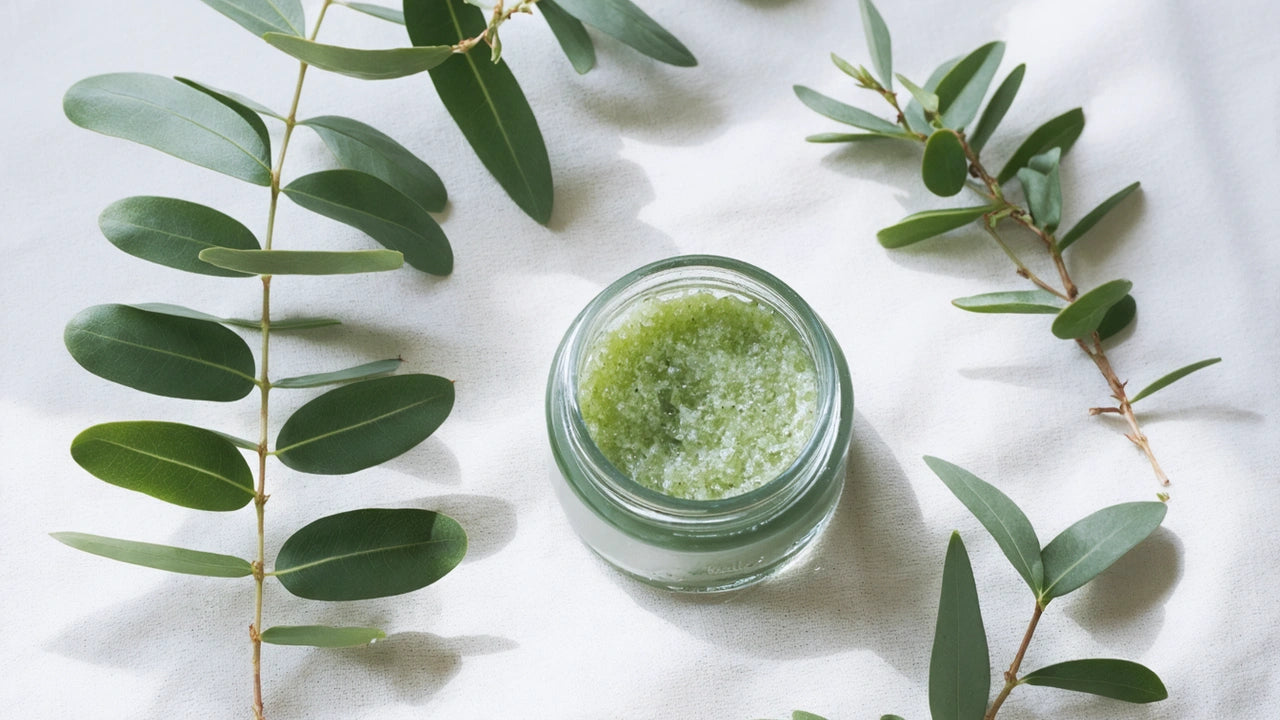
- Apply the scalp scrub directly to the scalp. Take a small amount of the Dandruff Control Scalp Scrub with Tea Tree Extracts and apply it section by section, working it into the scalp — not the lengths of the hair.
- Massage in gentle circular motions for 2–3 minutes. Use your fingertips (never your nails) and move in small, deliberate circles. This motion physically lifts buildup while stimulating circulation.
- Rinse thoroughly with lukewarm water. Make sure all granules are fully rinsed out before moving on to shampoo. Incomplete rinsing can leave residue that defeats the purpose of exfoliating.
- Follow with your regular shampoo. A light shampooing after scrubbing removes any remaining loosened buildup and product, leaving the scalp perfectly clean.

What to Do After Scrubbing: Conditioner and Scalp Ampoule Tips
Post-scrub, your scalp is freshly clean and primed to absorb treatment actives. This is the ideal moment to apply a targeted scalp treatment. Follow with the Dandruff Control Ampoule with Tea Tree Extracts for a concentrated dose of antifungal and soothing actives directly where they're needed most. Then finish with conditioner on the lengths — keeping it off the scalp to avoid re-depositing product.

The Anti Dandruff Conditioner with Tea Tree Extracts is formulated to complement the scalp scrub — it conditions the hair shaft without leaving behind the silicone residue that can undo all that exfoliation work.
Quench Botanics Tea Tree Scalp Scrub: What Makes It Different?
The Quench Botanics approach to scalp care follows the same philosophy as our botanical skincare: use science-backed actives from nature, in concentrations that actually do something, without unnecessary fillers. Our Tea Tree Dandruff Control Scalp Scrub is built around Melaleuca alternifolia leaf oil — one of the most clinically validated botanicals for scalp health — combined with gentle physical exfoliants that won't strip or sensitise.
Why Tea Tree Extract Is the Hero Active for Indian Scalps
Indian scalps — particularly Fitzpatrick III–V skin types, which experience higher sebum production and are more prone to fungal conditions in humid climates — benefit specifically from Tea Tree's dual antibacterial and antifungal action. It targets the Malassezia yeast overgrowth linked to dandruff at the source, rather than just managing surface flakes. It also soothes post-itch inflammation, which makes it ideal for scalps aggravated by Delhi or Mumbai's pollution load. Cosmetic scientists note that Tea Tree's terpinen-4-ol content is the key driver of its antimicrobial efficacy — and that its benefits are most pronounced when the skin surface has been properly exfoliated first. Which, of course, is exactly what this scrub does.
Pregnant or breastfeeding? If you're unsure about any ingredients in your haircare, our guide to 10 skincare ingredients to avoid during pregnancy is a helpful reference.
Frequently Asked Questions About scalp scrub
What is the difference between a scalp scrub and a clarifying shampoo?
A scalp scrub physically exfoliates the scalp using granular particles to lift dead skin, product buildup, and excess sebum, while a clarifying shampoo relies on strong surfactants to chemically dissolve buildup without any mechanical action. Think of a scalp scrub as a deep-clean reset that works at the skin level, targeting clogged follicles more directly. Clarifying shampoos are better for stripping residue from hair lengths, whereas scalp scrubs are purpose-built for the scalp's microenviron
How often should you use a scalp scrub?
Most hair types benefit from using a scalp scrub once a week, but oily or product-heavy scalps can use it up to twice a week. If your scalp is sensitive or on the drier side, once every 10–14 days is a gentler cadence that still delivers results. Over-exfoliating can strip the scalp's natural moisture barrier, so consistency matters more than frequency. Starting with once a week and adjusting based on how your scalp feels — less flakiness, less itch, more balance — is the smart K-beauty approach
Is scalp scrubbing good for hair growth?
Yes, regular scalp scrubbing can support healthier hair growth by unclogging follicles blocked by dead skin cells, oil, and product residue that may otherwise impede new hair. The gentle massaging motion involved in scrubbing also stimulates blood circulation to the scalp, which helps deliver oxygen and nutrients to hair follicles — a key factor in promoting growth. While a scalp scrub isn't a direct hair-growth treatment, a clean, well-circulated scalp creates the optimal environment for your s
What ingredients should a scalp scrub have for best results?
The best scalp scrubs combine a gentle physical exfoliant — like sugar or fine salt — with targeted actives that address scalp concerns beyond just surface buildup. Tea tree oil is a standout ingredient for its well-documented antibacterial and antifungal properties, making it ideal for dandruff-prone or oily scalps. Salicylic acid is another hero addition, as it chemically exfoliates inside the follicle. Soothing botanicals like aloe vera or green tea extract help balance the post-exfoliation s
Give Your Scalp the Reset It Deserves — Shop Quench Botanics Tea Tree Scalp Scrub
Your hair routine works harder when it starts with a clean scalp. The Dandruff Control Scalp Scrub with Tea Tree Extracts is your weekly reset — clearing the buildup, balancing the scalp, and setting the stage for every other product you use to actually work. Pair it with the full Tea Tree Haircare range — ampoule and conditioner included — for a complete, K-beauty-inspired scalp-care ritual built for Indian hair and climate. Your healthiest hair starts at the root.