Glass Skin Routine for Indian Skin: Your Step-by-Step K-Beauty Guide
A glass skin routine for Indian skin is a layered K-beauty method that builds intense, lasting hydration to create a luminous, poreless complexion — and yes, it works beautifully on Indian skin tones. Far from being a trend reserved for Korean skin types, glass skin is a technique, not a skin type. With the right botanical actives and a climate-aware approach, that signature K-glow is entirely within reach. If you enjoy seasonal K-beauty guides, this pairs perfectly with this Korean skincare routine for winter season.
What Is Glass Skin and Can Indian Skin Achieve It?
The Korean glass skin trend explained
Glass skin refers to a complexion so hydrated and even-toned that it reflects light like polished glass — smooth, bouncy, and almost translucent. The K-beauty philosophy behind it is simple: when your skin barrier is well-nourished and deeply moisturised, your skin naturally looks lit from within. No filter needed.
Why higher melanin actually helps achieve a deeper glow
Here is a truth the algorithm rarely tells you: Indian skin (Fitzpatrick types III–V) is inherently primed for glass skin. Higher melanin concentrations give deeper skin tones a natural luminosity and resilience that lighter skin simply does not have. Research published in the Journal of Investigative Dermatology has shown that melanin-rich skin also tends to have a stronger natural barrier function — meaning the glow you build through hydration sits on an already stronger canvas. The real task is not "fixing" Indian skin; it is amplifying what is already there.
Adapting glass skin for India's humid climate
India's heat and humidity demand a lighter hand. Heavy creams and facial oils — staples in some Korean routines designed for dry winters — can trigger congestion and breakouts in India's tropical climate. The smart adaptation is to swap occlusive layers for water-based humectants that hydrate without suffocating your skin. Cosmetic scientists note that humectants like Hyaluronic Acid and Birch Water actually perform better in humid environments because ambient moisture helps them bind water to the skin more effectively.
The 5-Step Glass Skin Routine for Indian Skin
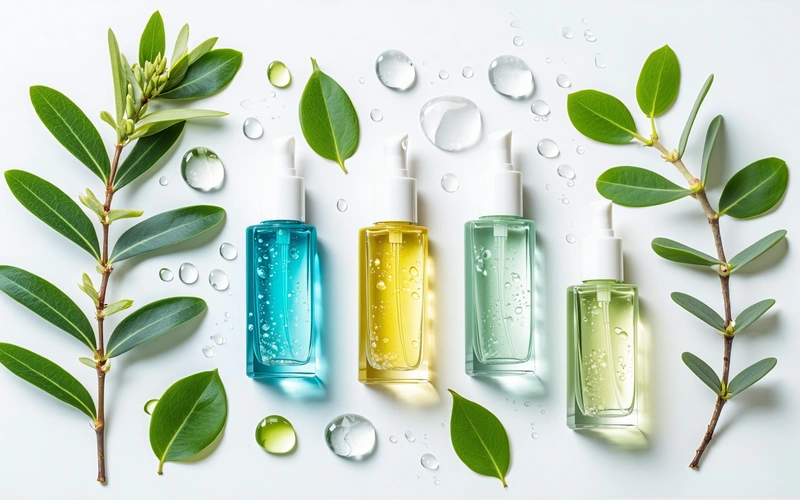
A glass skin routine for Indian skin involves: double cleansing, a hydrating toner (Birch Water), a barrier-repairing serum (Snail Mucin), a lightweight moisturiser, and SPF 50 PA++++ — layered thinnest to thickest for a luminous, poreless K-glow finish that works in India's humid climate.
Step 1: Double cleanse for a clean base
Glass skin starts with a spotless canvas. Begin with a cleansing balm or micellar water to dissolve sunscreen, pollution, and excess sebum — all abundant in Indian urban environments. Follow with a gentle foaming face wash to clear any residue. This two-step cleanse ensures your hydration layers absorb properly instead of sitting on top of grime.
Step 2: Birch Water clarifying toner
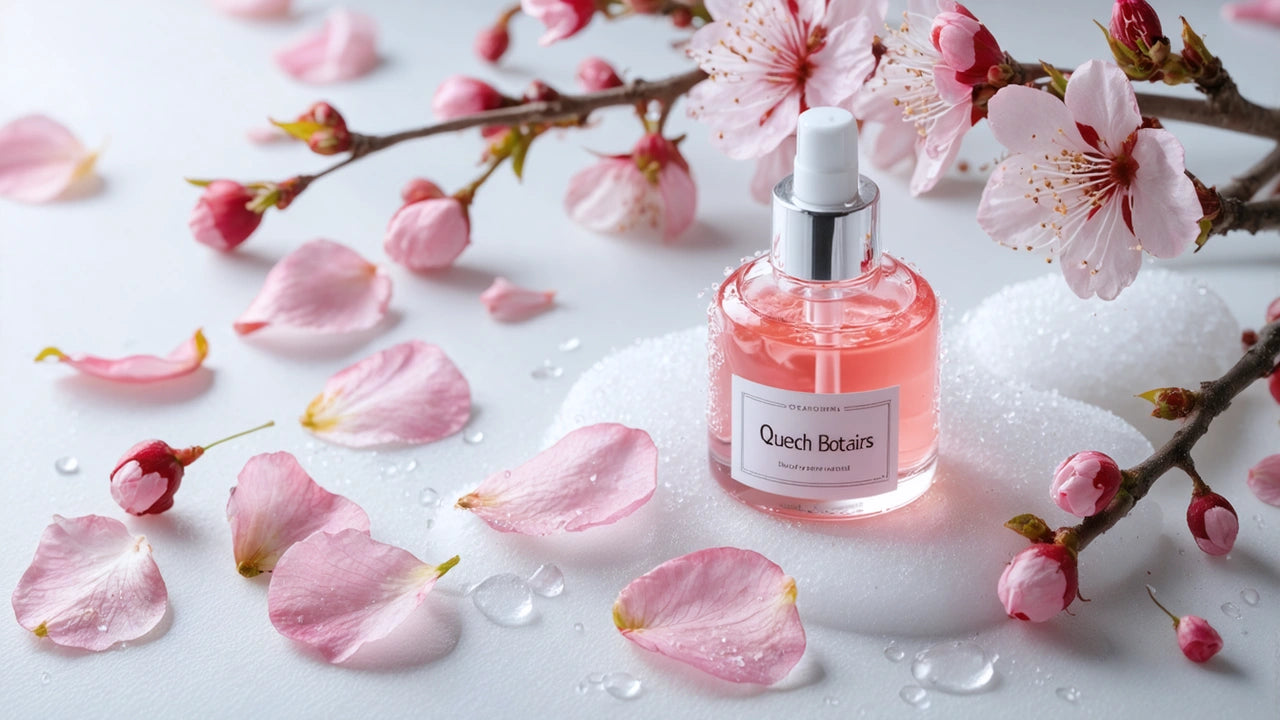
Toning is where glass skin is won or lost. In K-beauty, a toner is not a post-cleanse astringent — it is the first layer of hydration, prepping skin to absorb everything that follows. The Birch Please Skin Soothing Clarifying Serum from Quench Botanics delivers Birch Water — a Nordic botanical packed with minerals and amino acids — to clarify, calm, and flood skin with lightweight moisture. Pat it into skin while still damp for maximum absorption.
Step 3: Snail Mucin serum for deep hydration
This is the heart of any glass skin routine. Snail Mucin is a K-beauty hero ingredient that combines glycoproteins, hyaluronic acid, and allantoin to repair the skin barrier, boost elasticity, and deliver visible plumpness within weeks. The 96% Snail Mucin Collagen Boost Serum by Quench Botanics layers Niacinamide and Hyaluronic Acid alongside a 96% snail mucin concentrate for a deeply hydrating, barrier-strengthening serum that suits India's oily-combination skin types perfectly. Apply 3–4 drops and press gently into skin — no rubbing.
Step 4: Lightweight moisturiser
Lock in your hydration layers with a water-based, non-comedogenic moisturiser. In India's climate, gel or gel-cream textures are your best friends — they seal without suffocating. Look for formulas featuring Hyaluronic Acid or Niacinamide to reinforce the barrier work your serum just did. If you want to explore Hyaluronic Acid's deeper hydration science, the Hyaluronic Acid benefits guide for Indian skin is worth a read.
Step 5: SPF — the glass shield
UV damage is the single fastest way to undo your glass skin work — and India's UV index is among the highest in the world. SPF 50 PA++++ is non-negotiable. It prevents the post-inflammatory hyperpigmentation that Indian skin (Fitzpatrick III–V) is especially prone to, and it protects the collagen your serum just worked to stimulate. Think of SPF as the glass lid that seals and preserves everything underneath.
Glass Skin Ingredients That Actually Work in Indian Humidity
Humectants vs occlusives: what to use in India
Not all moisturising ingredients behave the same in heat. Occlusives (heavy oils, shea butter, petrolatum) form a physical barrier on skin — great for dry winters, but prone to clogging pores in humidity. Humectants (Hyaluronic Acid, Glycerin, Birch Water) draw moisture from the environment directly into your skin. In India's monsoon and summer months, humectant-led formulas are the clear winner.
Why Snail Mucin and Birch Water are humidity-proof hydrators
Both Snail Mucin and Birch Water are inherently water-based and fast-absorbing — they deliver deep hydration without the greasy residue that attracts sweat, pollution, and excess sebum in a hot climate. This is the philosophy behind The Quench Botanics Botanical Method: pair K-beauty efficacy with plant-powered, lightweight formulas designed for the Indian environment, not imported wholesale from Seoul winters.
Glass Skin Mistakes Most Indians Make
Over-exfoliating and stripping the barrier
Glass skin is a hydration game, not a scrubbing contest. Over-exfoliating — especially with harsh physical scrubs in India's already-sensitising heat — strips the acid mantle and triggers excess oil production, the opposite of glass skin. Dermatologists recommend limiting exfoliation to two or three times per week, maximum, and opting for gentle chemical exfoliants over abrasive scrubs.
Skipping SPF and losing the glow to UV damage
Skipping SPF in India is like building a glass house and leaving the windows open. UV-induced hyperpigmentation and free-radical damage break down collagen and dull the very luminosity you are trying to build. Your glass skin glow has a very short shelf life without daily broad-spectrum SPF 50 PA++++.
Frequently Asked Questions About glass skin routine for Indian skin type
What is a glass skin routine for Indian skin type?
A glass skin routine for Indian skin is a K-beauty-inspired multi-step regimen designed to deliver a poreless, luminous, mirror-like complexion that works with — not against — the unique needs of Indian skin tones and textures. It typically involves double cleansing, gentle exfoliation, layered hydration with toners and essences, targeted serums, and a moisturiser-SPF finish. For Indian skin, the routine is adapted to address concerns like hyperpigmentation, humidity-induced oiliness, and uneven
How do you get glass skin at home with Indian skin tone?
You can get glass skin at home with Indian skin tone by following a consistent K-beauty layering routine using hydrating, brightening ingredients like niacinamide, hyaluronic acid, and centella asiatica. Start with a gentle double cleanse, apply a hydrating toner patted into the skin in multiple thin layers, follow with a brightening serum targeting dark spots or dullness, and seal with a gel-cream moisturiser and SPF. Consistency over 4–6 weeks is key — glass skin is a long-term skin health goa
Is glass skin achievable for darker Indian skin tones?
Yes, glass skin is absolutely achievable for darker Indian skin tones — in fact, melanin-rich skin has a natural luminosity that makes the glass skin glow look even more stunning. The key is shifting focus from lightening to clarifying: reducing hyperpigmentation, controlling excess sebum, and maximising hydration. Ingredients like niacinamide, kojic acid, and vitamin C work beautifully on deeper skin tones to even out the complexion without stripping it. Glass skin celebrates your skin's best,
What is the difference between glass skin and glazed donut skin?
Glass skin and glazed donut skin both aim for luminosity but differ in finish and technique. Glass skin, rooted in K-beauty, is about deep, sustained skin hydration and clarity — the glow comes from within through a consistent skincare routine over weeks. Glazed donut skin, popularised by Hailey Bieber, leans on topical products like face oils and highlighters to create an immediate dewy sheen on the surface. For Indian skin dealing with humidity and oiliness, glass skin's water-based, layered h
How long does it take to see results from a glass skin routine?
Most people begin to notice a visible improvement in skin texture and hydration within 2–3 weeks of starting a consistent glass skin routine. However, significant results — including reduced hyperpigmentation, minimised pores, and a true lit-from-within glow — typically appear after 6–8 weeks of daily commitment. For Indian skin exposed to UV radiation, pollution, and high humidity, pairing your routine with a broad-spectrum SPF every morning is non-negotiable, as sun damage is one of the bigges
Start Your K-Glow Journey with Quench Botanics
Your glass skin routine does not need ten products or a Seoul-sized skincare shelf. The Birch Hydrofresh Skincare Duo from Quench Botanics gives you the perfect glass skin starter kit — Birch Water hydration and botanical actives in one thoughtfully curated set, made for Indian skin, India's climate, and the K-glow you have been after. Start layering. Start glowing.