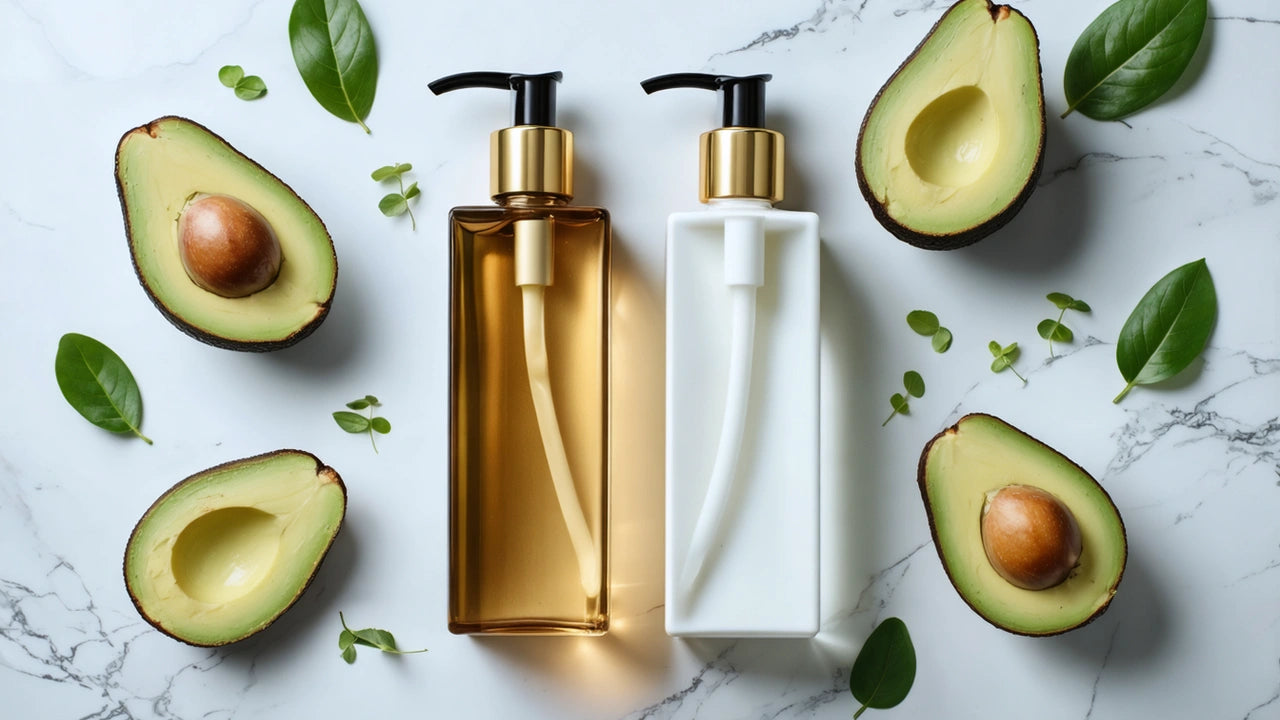
A cleansing balm is an oil-rich, solid-to-liquid first-cleanse product that melts away SPF, waterproof makeup, and pollution particles on contact — something micellar water simply cannot do alone. If you've been ending the day with a single swipe of micellar water and wondering why your skin still looks dull or congested, this is the guide you need. For anyone building a proper K-beauty double cleanse routine on Indian skin, understanding the difference between these two formats is genuinely game-changing. For a full step-by-step walkthrough of the method, our double cleanse guide for Indian skin has everything you need to get started.
What Is Double Cleansing and Why Is K-Beauty Recommending It for Indian Skin?
Oil Cleanse + Water Cleanse: The Two-Step Method Explained
Double cleansing is the K-beauty practice of using an oil-based cleanser first, followed by a water-based cleanser second — each step targeting a different category of grime. The logic is elegant: oil dissolves oil. Sunscreen, sebum, silicones, and long-wear pigments are all lipid-based substances, which means a water-based product will always struggle to break them down efficiently. The first cleanse — ideally a cleansing balm or cleansing oil — works by binding to these oil-based impurities through like-dissolves-like chemistry. When you emulsify it with a little water and rinse, those impurities lift away cleanly. The second cleanse — a gentle water-based face wash — then removes any remaining sweat, environmental residue, and the emulsified remnants of the first cleanser itself, leaving skin truly clean without stripping the moisture barrier.
This two-step method originated in Korean skincare culture, where cleansing is considered as important as any treatment step. The philosophy, often described as preparing a clean canvas for actives, has become mainstream globally — and for very good reason.
Why Single Cleansing Isn't Enough in India's Pollution and SPF Environment
India's urban air quality is among the most challenging in the world for skin. Fine particulate matter (PM2.5), traffic emissions, and high UV index levels mean that by the end of an average day in cities like Delhi, Mumbai, or Bengaluru, your skin has been exposed to a layered cocktail of pollution, sweat, and SPF. Indian skin across Fitzpatrick types III to V also tends to produce more sebum in tropical and humid climates, which means that surface-level cleansing leaves behind an invisible film of oil, SPF actives, and pollution particles that quietly accelerates congestion, uneven tone, and premature dullness.
A single cleanse — even a thorough face wash — is not formulated to dissolve chemical UV filters or film-forming SPF polymers. Research published in the Journal of Cosmetic Dermatology has noted that residual sunscreen left on skin overnight can contribute to comedone formation and impaired barrier function over time. Double cleansing is, quite simply, the most logical solution — and the cleansing balm is its most effective first step.
Cleansing Balm vs Micellar Water: What's the Real Difference?
A cleansing balm is more effective than micellar water for double cleansing in India because its oil-based formula dissolves SPF, waterproof makeup and pollution particles that water-based micellar solutions leave behind. It emulsifies with water during rinse-off, making it suitable even for oily skin when formulated with non-comedogenic botanicals.
| Feature | Cleansing Balm | Micellar Water |
|---|---|---|
| Primary action | Lipid-solubility dissolves oil-based impurities | Surfactant micelles attract surface dirt |
| SPF removal | Highly effective — breaks down UV filters | Incomplete — leaves film of SPF actives |
| Waterproof makeup | Melts and lifts completely | Requires repeated wiping; friction risk |
| Rinse required | Yes — emulsifies cleanly with water | No — leaves residue unless rinsed |
| Suitable for oily skin | Yes, with non-comedogenic formula | Yes, but insufficient for deep cleanse |
| Skin feel after use | Soft, nourished, not tight | Clean but can feel dry or tacky |
| Best use case | Step 1 of PM double cleanse | Light days, travel, morning refresh |
How Cleansing Balms Dissolve SPF and Waterproof Makeup
The science behind cleansing balms is straightforward but powerful. Most modern sunscreens contain chemical UV filters like avobenzone or ethylhexyl methoxycinnamate, along with film-forming polymers that help SPF stay put through sweat and water. These are hydrophobic (water-repelling) molecules. A cleansing balm's oil base — whether that's plant waxes, botanical esters, or skin-nourishing fatty acids — shares the same hydrophobic chemistry, which is why the two bind together so readily on the skin's surface. The balm essentially wraps around SPF particles and lifts them away. Waterproof mascara, long-wear foundation, and lip colour work on the same principle — they're oil-soluble, so an oil-based cleanser dissolves them efficiently and gently, without requiring aggressive rubbing.

Where Micellar Water Falls Short for Indian SPF Users
Micellar water uses tiny surfactant clusters called micelles, which have an oil-attracting core and a water-attracting exterior. In theory, they should lift oil-based grime — and to a point, they do. But the reality for anyone wearing a medium-to-high SPF (SPF 30–PA+++ or above, which dermatologists recommend year-round in India) is that micellar water doesn't generate enough mechanical or chemical force to break down the full film of SPF actives and their carrier polymers in a single, friction-free pass. Most people compensate by wiping repeatedly with a cotton pad, which introduces friction on already-stressed skin — a real concern for darker Fitzpatrick III-V skin tones that are more prone to post-inflammatory hyperpigmentation from mechanical trauma.
Cosmetic scientists note that without a true oil-phase cleanser as a first step, the subsequent water-based cleanser has to work harder — often requiring stronger surfactants to achieve the same level of cleanse, which can strip the skin's natural lipid barrier over time.
Skin Feel After Each Method: The Texture Comparison
This is where cleansing balms win on experience as much as efficacy. A well-formulated balm — like one built around Cherry Blossom extract and botanical oils — leaves skin feeling genuinely soft and comfortable after rinsing, not greasy or tight. Micellar water, while convenient, often leaves a very faint residue (from the surfactants themselves) that can feel tacky without a rinse, or slightly drying if you wipe too thoroughly. Neither sensation is ideal for encouraging a consistent cleansing habit. The balm's luxurious melt-on-skin texture turns cleansing from a chore into a genuinely enjoyable ritual — which is very much in the spirit of K-beauty's approach to skincare as self-care.
Is Cleansing Balm Good for Oily or Acne-Prone Indian Skin?
The 'Oil on Oily Skin' Myth — Why It's Safe
This is the question almost every oily-skin person asks, and it's a completely fair one. The short answer is yes — a properly formulated cleansing balm is not only safe for oily and acne-prone skin, it can actually help regulate excess sebum production over time. Here's why: when skin is consistently stripped by harsh cleansers, it compensates by producing more oil to protect itself. A cleansing balm that emulsifies cleanly with water rinses off completely, without stripping the skin's acid mantle or natural lipid layer. The skin doesn't need to overcompensate, which can gradually ease the cycle of overproduction. The key phrase here is "emulsifies cleanly" — a balm that leaves a greasy residue is poorly formulated. The Quench Botanics approach pairs botanical actives with emulsifying agents specifically so that the balm transforms from a rich oil to a milky rinse the moment it meets water, leaving nothing behind except soft, balanced skin.
Non-Comedogenic Botanicals That Make It Work
Not all oils are equal on the comedogenicity scale. The Quench Botanics Dirt Dissolving Daily Cleansing Balm with Cherry Blossom is formulated with botanical extracts and plant-derived emollients chosen specifically for low comedogenic potential. Cherry Blossom extract itself is non-pore-clogging and contributes brightening and calming benefits alongside cleansing action. The emulsifying wax system ensures a clean, complete rinse — so the balm behaves like a nourishing treatment during application but leaves no occlusive film after rinsing. For oily or combination skin types common across India's tropical climate zones, this kind of rinse-off completeness is non-negotiable.
A good rule of thumb: if your balm is hard to rinse and leaves skin looking shiny after washing, it's not the right formula. A non-comedogenic cleansing balm should rinse milky-white and leave skin feeling clean, comfortable, and just barely nourished.
How to Double Cleanse with Quench Cherry Blossom Cleansing Balm
Step-by-Step: From Balm to Foam in 2 Minutes
Double cleansing sounds more elaborate than it actually is. Once it becomes a habit, the entire process takes under two minutes and your skin will thank you for it every single morning when it looks clearer and more radiant.
- Scoop a small amount of the Quench Botanics Dirt Dissolving Daily Cleansing Balm with Cherry Blossom — about a pea-sized amount to a hazelnut-sized amount depending on how much product you're wearing. Always apply to dry skin with dry hands.
- Massage in circular motions for 30–60 seconds, focusing on areas with heavier product: the T-zone where SPF builds up, the eye area if you've worn eye makeup, and around the nose where pollution particles tend to settle.
- Add a few drops of water and continue massaging. Watch the balm transform into a milky emulsion — this is the emulsification process at work, actively wrapping around oil-based impurities and making them water-soluble for easy rinse-off.
- Rinse thoroughly with lukewarm water. Avoid hot water, which can dehydrate skin and worsen post-cleanse tightness, especially important for Indian skin in dry winter months.
- Second cleanse immediately with a gentle water-based cleanser. The Foaming Face Wash with Yuzu Vitamin C is an ideal second-cleanse partner — its gentle foam lifts any remaining water-soluble residue while delivering a boost of brightening Vitamin C to freshly cleansed skin.
- Pat dry and continue with the rest of your routine — toner, serum, moisturiser, and morning SPF.

How Often to Double Cleanse in Indian Climate
The short answer: every evening, without exception. In India's climate — whether you're in the humid coastal air of Chennai, the dry heat of Rajasthan, or the pollution-heavy atmosphere of Delhi — daily PM double cleansing is the single most impactful change you can make to your skin's long-term clarity and health. Morning cleansing is optional: if you have oily or combination skin you may prefer a gentle single cleanse in the morning, while dry skin types often do well with just a water rinse to preserve overnight moisture. For anyone concerned about clogged pores, uneven tone, or persistent dullness — all common concerns for Indian skin tones in the Fitzpatrick III-V range — consistent daily double cleansing is where the transformation begins. Our summer skincare routine for oily skin in India gives more seasonal guidance on adapting your cleansing frequency and follow-up routine through the year.
Frequently Asked Questions About cleansing balm
Is micellar water enough to remove sunscreen on its own?
Micellar water alone is rarely sufficient to fully remove SPF, especially water-resistant or chemical sunscreens commonly worn in India's humid climate. Micellar water uses mild surfactants that lift surface-level impurities but can leave behind sunscreen residue that clogs pores over time. Pairing it with — or swapping it for — a cleansing balm as your first cleanse ensures oils, SPF, and pollution particles are thoroughly dissolved before your foaming face wash finishes the job.
What is the difference between a cleansing balm and micellar water?
A cleansing balm is an oil-based, solid-to-liquid first cleanser that melts away heavy-duty makeup, SPF, and sebum by binding to oil-soluble impurities, while micellar water is a lightweight, water-based solution that uses micelles to attract and lift surface dirt. Cleansing balms offer a deeper, more satisfying cleanse for layered skincare and makeup, whereas micellar water suits a quick, minimal routine. For Indian skin battling pollution and daily sunscreen, a cleansing balm typically deliver
Should I double cleanse every day if I live in India?
Yes — daily double cleansing is especially beneficial in India, where high pollution levels, humidity, and year-round sunscreen use mean skin accumulates more than a single wash can clear. Skipping a proper first cleanse can leave behind oxidised sebum and SPF residue that contributes to congestion and dullness over time. Evening double cleansing is a must; if mornings feel like too much, a gentle splash or light rinse is perfectly fine for days you haven't worn makeup or SPF overnight.
Can a cleansing balm replace my face wash entirely?
A cleansing balm is designed as a first-step cleanser, not a standalone replacement for your face wash. It excels at dissolving oil-based impurities like makeup, SPF, and excess sebum, but it isn't formulated to remove the water-based residue — sweat, environmental pollutants, and water-soluble grime — that a foaming or gel face wash tackles. Using both in sequence (the two-step double cleanse) gives you a genuinely thorough cleanse without over-stripping your skin's natural moisture barrier.
Make Double Cleansing Your Easiest K-Beauty Habit — Shop Quench Botanics
If there's one skincare upgrade worth making this season, it's this: swap your single-step evening cleanse for a proper double cleanse, and let the Quench Botanics Dirt Dissolving Daily Cleansing Balm with Cherry Blossom do the heavy lifting. Its Cherry Blossom-powered formula melts away SPF, pollution, and makeup — emulsifying cleanly with water so it's suitable for every skin type, including oily and acne-prone skin. New to cleansing balms and want to try before committing to the full size? The Cherry Blossom Cleansing Balm Mini is the perfect travel-friendly way to start your double cleanse journey. Your skin deserves a truly clean slate — and Quench Botanics is here to give it one.