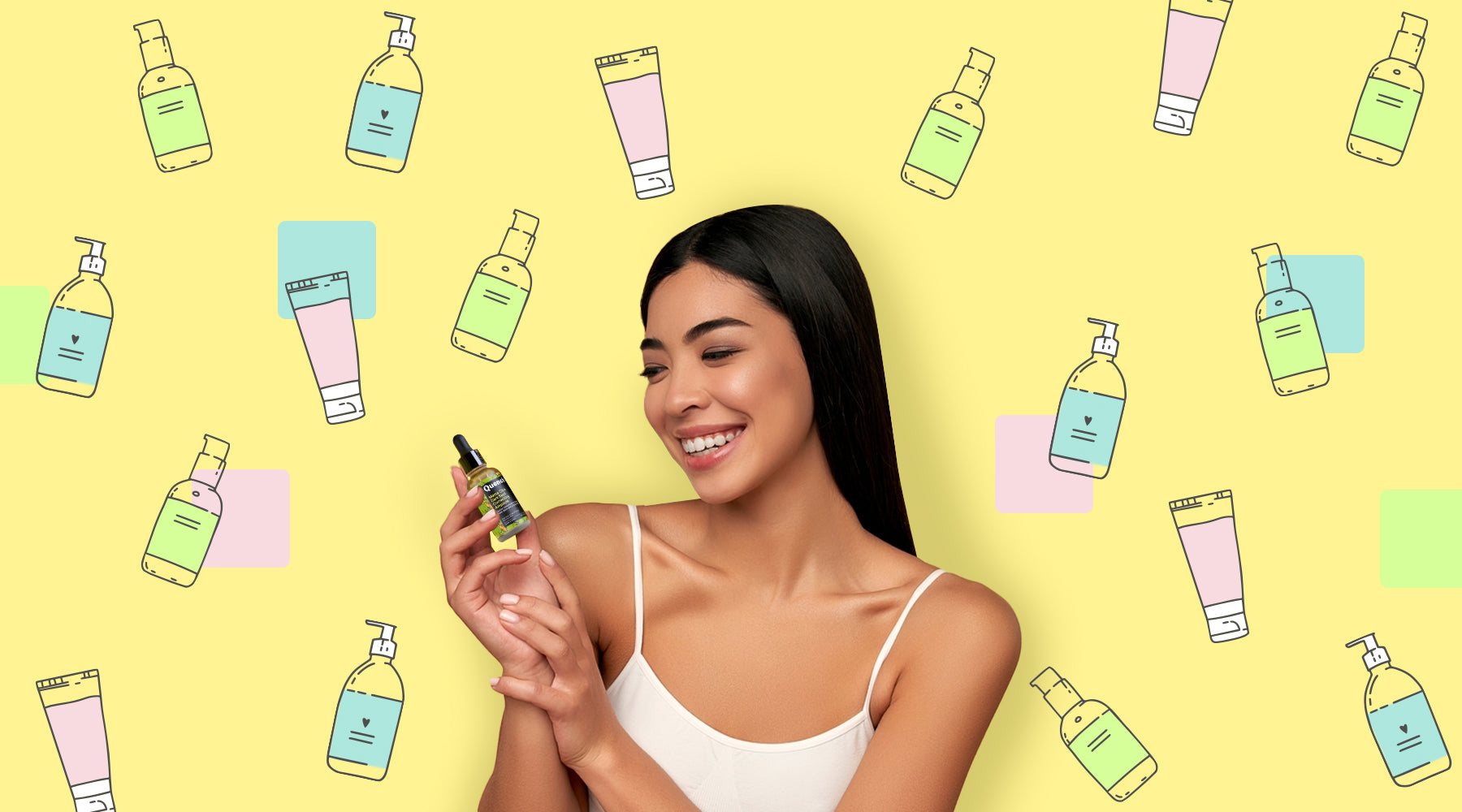
Alpha arbutin in pregnancy has limited safety data, so the sensible move is to pause it and ask your doctor or gynaecologist before you carry on. That doesn't mean it has been found to be harmful. It means there isn't enough pregnancy-specific information to call it safe with confidence. Alpha arbutin is a tone-evening skincare ingredient: a molecule made of hydroquinone bonded to a glucose sugar. It's used in serums, creams and masks to even out the look of dark spots and tan. Its close link to hydroquinone is the main reason it shows up on so many "check first" lists.
Is alpha arbutin safe for pregnancy? The honest answer

Why people ask
Pregnancy hormones can make old spots look darker and bring new patches on the cheeks, forehead and upper lip, the ones many of us grew up hearing called jhaiyan. Indian skin is mostly Fitzpatrick III to V, and on these tones the patches tend to show more and darken faster with strong sun, heat and city pollution. So of course you reach for the brightening serum already on your shelf. And of course you search whether alpha arbutin during pregnancy is okay.
What 'limited data' means for you
Limited data means there isn't much pregnancy-specific information on this ingredient. That is not the same as a problem having been found. Alpha arbutin is generally understood to slow down tyrosinase, the enzyme skin uses to make melanin. Because it is a glucoside of hydroquinone, the caution around hydroquinone usually gets applied to it as well. Tone-evening actives also turn up in concentrated formats, so if you use serums or ampoules in your daily routine, check each bottle, not just the one that says "brightening" on the front.
Alpha arbutin in pregnancy has limited safety data. Because it is related to hydroquinone, many people choose to pause it during pregnancy and ask their doctor before restarting, focusing instead on gentle cleansing, moisturizer and daily sun protection. If you are breastfeeding, ask the same question again before you go back to it.
Which skincare ingredients should you check before using in pregnancy?
These ten come up most often when people talk about skincare ingredients to avoid during pregnancy. Treat this as a list of questions to ask, not a medical verdict. Your doctor knows your history and can tell you what fits.
Quick-scan table
| Ingredient | Where you see it on labels | Why it is commonly flagged | What to do |
|---|---|---|---|
| 1. Retinoids | Retinol, Retinyl Palmitate, Retinal, Tretinoin, Adapalene, Tazarotene | Oral retinoids are well known to be unsuitable in pregnancy, so topical ones are usually set aside as a precaution | Pause and ask your doctor |
| 2. Hydroquinone | Hydroquinone, often in prescription spot creams | Commonly flagged because of how readily it can be absorbed through skin | Pause and ask your doctor |
| 3. Alpha arbutin | Alpha-Arbutin, Arbutin, Arctostaphylos Uva Ursi Leaf Extract (bearberry) | Related to hydroquinone, with limited pregnancy data | Pause and ask your doctor |
| 4. Kojic acid | Kojic Acid, Kojic Dipalmitate | A tone-evening active with limited pregnancy-specific information | Ask before continuing |
| 5. High-strength salicylic acid peels | Salicylic Acid, BHA, Betaine Salicylate, Salix Alba (Willow) Bark Extract | Belongs to the same chemical family as aspirin. The bigger question is with strong, leave-on or large-area use | Ask, and mention any wash-off products separately |
| 6. Benzoyl peroxide | Benzoyl Peroxide in acne gels and washes | Advice on how much and how often you can use it varies | Ask about spot use |
| 7. Strong chemical peels | Glycolic, Lactic or Mandelic Acid peels, TCA, salon and at-home peel solutions | Deeper peels can irritate sensitive pregnancy skin and leave darker marks on deeper skin tones | Postpone salon peels and ask about milder options |
| 8. Heavy fragrance and essential oils | Parfum/Fragrance, Rosemary, Clary Sage, Peppermint or Cinnamon oils | These are concentrated, and skin and sense of smell often get more sensitive in pregnancy | Choose fragrance-light products and ask about specific oils |
| 9. Certain sunscreen filters | Oxybenzone (Benzophenone-3), Homosalate, Ethylhexyl Methoxycinnamate | People ask about these often. Some prefer mineral filters like Zinc Oxide or Titanium Dioxide | Never skip sunscreen. Ask which filters suit you |
| 10. Formaldehyde-releasing preservatives | DMDM Hydantoin, Imidazolidinyl Urea, Diazolidinyl Urea, Quaternium-15, Bronopol, Sodium Hydroxymethylglycinate | They slowly release small amounts of formaldehyde to keep a product preserved, and many people prefer to avoid them | Check the label and ask |
Retinoids, hydroquinone and arbutin
Retinol during pregnancy is the one most people have already heard about. Topical retinoids are usually paused for the whole pregnancy as a precaution, and that includes "gentle" encapsulated retinol and retinal. If you used one before you knew you were pregnant, don't panic. Just tell your doctor at your next visit. Hydroquinone, alpha arbutin and kojic acid all belong to the tone-evening group. The practical approach is to pause all three and ask about them together in one go.
Acids, peels and benzoyl peroxide
With salicylic acid in pregnancy, the question is really about strength and how much skin it covers. A face wash rinsed off within a minute is a different conversation from a full-face peel or a leave-on BHA toner, so ask about each product separately. The same goes for benzoyl peroxide. Hormonal breakouts during the sticky monsoon months can make you want to try everything at once. A plain hydrocolloid patch over a single spot is a low-fuss option to bring up with your doctor. Postpone salon peels until you have a clear go-ahead.
Fragrance, essential oils and preservatives
Many people find their nose and skin get much more sensitive in pregnancy. A product you loved last year might suddenly sting or smell overpowering. Fragrance-light formulas and fewer concentrated essential oils keep things calmer. Preservatives are different. Any product containing water needs them to stay free of microbes, so a preservative isn't a bad thing in itself. Formaldehyde releasers are one specific group you can look out for. Parabens are a separate group with their own debate, and our explainer on sulphate-free vs paraben-free labels breaks down what those front-label terms actually tell you.
How do you read a skincare label when you are pregnant?
INCI names to spot
- Turn the product over and find the full ingredient list. It uses standard INCI names, not the friendly names on the front.
- Scan for the names in the table above, plus anything starting with "retin", the word "arbutin" or "uva ursi" (bearberry).
- Note roughly where each one sits. Ingredients are usually listed from highest to lowest amount, although the order can vary among the ones used in very small amounts.
- Take a clear photo of the list and keep a folder of photos on your phone to show your doctor at your next appointment.
Brightening sheet masks, like the one below, are exactly the kind of product to read from the back before using. Photograph the list and ask your doctor before adding it to a pregnancy routine.

Marketing words vs ingredient lists
Words like "clean", "toxin-free", "natural" or "gentle" on the front describe a brand's formulation approach. They are not a pregnancy check. A product can honestly carry any of them and still contain a retinoid or a tone-evening active. If these terms confuse you, here's how clean beauty vs toxin-free labels differ in India. The ingredient list on the back is what your doctor needs to see, whatever the front says about alpha arbutin in pregnancy or any other active.
What does a gentler pregnancy skincare routine in India look like?
For most people, pregnancy skincare in India comes down to three steps: cleanse, moisturise and sunscreen in the morning, then cleanse and moisturise at night. Show this short list to your doctor and you'll have a base that's easy to approve or adjust.
Cleanse
Use a mild cream cleanser with lukewarm water, morning and night, plus one extra rinse after a sweaty commute. Hot water and squeaky-clean foaming washes tend to leave skin tight, especially once the AC is on. Our rice water hydrating cream face wash is one example of a cream cleanser whose ingredient list you can show your doctor. If you wear sunscreen and kajal all day, a cleansing balm massaged onto dry skin for about a minute, then rinsed, makes removal easier at night. Check this label with your doctor too.

Moisturise
Choose a plain, fragrance-light moisturizer. In humid monsoon or summer weather, a thin layer on slightly damp skin is enough. In an AC office or a dry North Indian winter, use a little more at night. Puffy, tired under-eyes are very common when sleep gets broken. A cold spoon for a minute in the morning helps you feel fresher. If you're thinking about patches, read how under-eye hydrogel patches work and what ingredients they use, then run the label past your doctor.
Sun protection
Apply a broad-spectrum SPF 50 sunscreen with PA ratings every morning, using about two finger-lengths for your face and neck. Reapply every two to three hours outdoors or after heavy sweating. Add a hat, an umbrella or shade, and avoid harsh midday sun where you can. If you're also dealing with oiliness in the heat, our summer routine for oily skin in India has tips on lightweight layering. Just pause any actives it mentions until your doctor says yes.
Pigmentation worries
For melasma-like patches, daily sun protection is the habit that matters most while you wait for medical advice. Skip DIY lemon, raw potato or strong scrubs, which can irritate skin and make the patches look worse. Patches soften after delivery for some people and stay for others. Either way, a doctor or dermatologist can tell you what's suitable and when.
Frequently Asked Questions About alpha arbutin in pregnancy
Is alpha arbutin safe during pregnancy?
There is no firm yes or no, so check with your doctor before using it. Alpha arbutin is a skin-brightening ingredient, and a small amount may be absorbed through the skin. Pregnancy safety data for it is limited, so many doctors suggest caution or skipping it until after pregnancy and breastfeeding. Your doctor knows your history and can tell you what suits you. Show them the full ingredient list of the product, not just the name on the front. Pause new brightening serums until you have had that conversation.
Can I use niacinamide while pregnant?
Many doctors consider niacinamide a commonly used option in pregnancy, but confirm with yours first. It is a form of vitamin B3 that helps with oiliness, uneven tone and a weak skin barrier. Start with a low-strength product, patch test on your inner forearm for 24 hours, then use it once a day. Hormonal changes can make skin more reactive, so introduce one product at a time. In humid Indian weather, a light gel or serum layer usually feels better than a heavy cream.
Is sunscreen safe during pregnancy?
Yes, daily sunscreen is generally recommended during pregnancy, but ask your doctor which type suits you. Sun exposure can worsen melasma, the dark patches many women get in pregnancy. Mineral filters like zinc oxide and titanium dioxide are often preferred because they sit on the skin's surface. Use SPF 30 or higher, apply about two finger-lengths for face and neck, and reapply every two to three hours outdoors. Do this even on cloudy days or when you are near a window, since UVA still reaches you indoors.
What can I use for pigmentation during pregnancy?
Daily sun protection is the most useful step for pigmentation in pregnancy, and your doctor can suggest anything extra. Pregnancy hormones trigger melasma, and UV light darkens it further. Wear sunscreen daily, add a hat or dupatta, and keep your cleanser and moisturiser gentle. Avoid scrubbing, which inflames skin and can deepen marks. Many patches fade partly after delivery. Ask your doctor before using any brightening or prescription-strength treatment, because safe options differ from person to person.
How do I check if a skincare product is pregnancy-friendly?
Read the full ingredient list and take it to your doctor before you start using the product. Look for retinol, retinoids, high-strength salicylic acid, hydroquinone and strong essential oils, which doctors often ask pregnant women to avoid or limit. "Clean beauty" or "toxin-free" on a label is not the same as pregnancy-tested, so do not rely on those words alone. Choose short ingredient lists, introduce one product at a time, and patch test for 24 hours. Stop using it if you notice any redness or stinging.
Shop Quench Botanics
Before you buy anything new, keep your list short: a cleanser, a moisturizer and a sunscreen. Take photos of the ingredient lists to your doctor first. If you want a plain moisturizer to add to that list, the avocado barrier repair moisturizer is one label to photograph and show at your next appointment. Ask first, then shop.